Quick Answer: ECO-Lipak keeps both palm leaf and sugarcane plates because they solve different tableware problems. Palm leaf plates bring a natural, sturdy look for catered meals and event tables, while sugarcane plates are practical for everyday service, sides, and high-volume cleanup. A better product line gives buyers format choices instead of pretending one material fits every meal.
Key Takeaways
- Use palm leaf plates when presentation, texture, and a sturdy feel matter for guest-facing service.
- Use sugarcane plates when you need a clean white plate, lighter everyday setup, or repeatable high-volume service.
- Round plates usually feel familiar for dinner service; square plates can help buffet portions look more intentional.
- Material claims should stay specific: compostability, local disposal access, and product fit are separate questions.
A tableware line should not force every buyer into the same material. A backyard dinner, a restaurant sampling station, and a catered buffet all put different pressure on the plate: weight, moisture, presentation, stacking, and how quickly the team needs to clean up.

Why Palm Leaf Stays in the Lineup
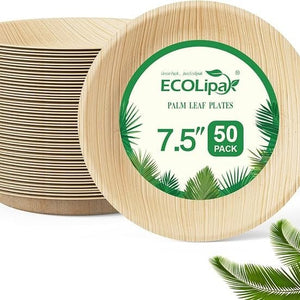
The 10in Round Heavy-Duty Palm Leaf Plates gives a catered table a natural, textured look without asking the host to rent or wash plates. For buffet mains, grilled vegetables, salads, and casual wedding meals, that texture can make disposable service feel less temporary.
The 6 in / 10 in Square Leak-Proof Palm Leaf Plates is helpful when the table design leans more modern or when portions need a defined edge. Square formats can also make small plates and tasting portions look more deliberate, especially on buffet lines.
| Service Moment | Better Starting Point | Why It Works |
|---|---|---|
| Guest-facing buffet main | Palm leaf dinner plate | Natural texture and heavier visual presence |
| Backyard dinner with sides | Round sugarcane plate | Familiar shape and easy serving rhythm |
| Sampling or appetizers | Square palm leaf plate | Defined edges help small portions read neatly |
| High-volume office lunch | Sugarcane plate | Clean look, easy stacking, practical repeat use |
Why Sugarcane Plates Still Do the Everyday Work
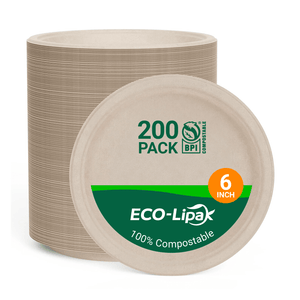
The Round Cut-Resistant Sugarcane Compostable Plates is the format many teams reach for first because it fits familiar lunch, dinner, and side-plate use. It is clean, practical, and easy to explain to guests who just need a dependable disposable plate.
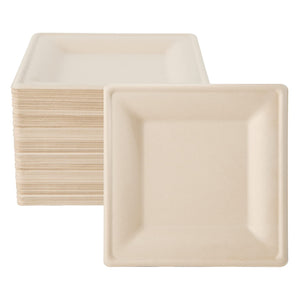
The Square Heavy-Duty Compostable Plates helps when a buyer wants a sharper table layout but still prefers the look and handling of sugarcane. That is why ECO-Lipak treats material and shape as two separate decisions, not one bundled answer.

The Brand Standard Is Practical, Not Decorative
Good sourcing starts with what the product has to do. ECO-Lipak's PFAS-free compostable tableware standard explains why material claims should connect to real product facts, not just broad green language.
For broader environmental wording, the FTC Green Guides are a useful reminder that claims should be clear and qualified. Composting access also varies by location; the EPA's composting overview is a good baseline for understanding disposal context.
How to Choose Without Overthinking It
- Choose palm leaf when the plate is visible in photos or guest-facing service.
- Choose sugarcane when the main job is practical everyday serving.
- Use round plates for familiar meals and square plates for buffets, tastings, or more designed table settings.
- Test saucy or heavy foods before ordering for a large event.
For a deeper material comparison, the palm leaf plates vs sugarcane plates guide breaks down fit by meal type and event style.
FAQ
Are palm leaf plates better than sugarcane plates?
No. Palm leaf plates are better for some presentation-heavy events, while sugarcane plates are often better for practical everyday service.
When should I choose square plates?
Choose square plates when you want sharper presentation or more defined portions for buffets, tastings, and modern table settings.
Can both materials be used at the same event?
Yes. Many events use palm leaf for main guest-facing plates and sugarcane for sides, staff meals, or backup service.
Does compostable mean the plate can go anywhere after use?
No. Composting depends on local facilities, contamination rules, and product-specific guidance. Check local options before making disposal claims.