Quick Answer: A compostable coffee station works best when cups, lids, napkins, paper towels, and sorting bins are planned as one system instead of separate supplies. For cafes, offices, and event bars, the real upgrade is not only switching to compostable cups; it is matching cup sizes, CPLA lids, cleanup towels, and disposal instructions so staff and guests know what to do at the counter.
Key Takeaways
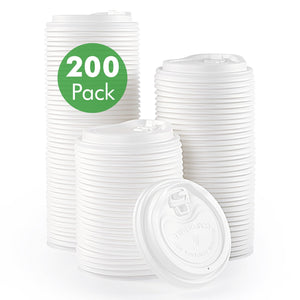
- Use compostable hot cups and fitting CPLA lids together; mismatched lids create leaks, returns, and unnecessary waste.
- Place sorting bins within 3-6 feet of the coffee station so used cups and food scraps do not end up in general trash by habit.
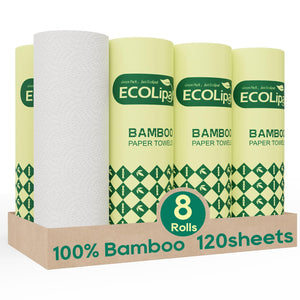
- Choose bamboo paper towels or napkins for spill zones because coffee stations create small, repeated messes all day.
- Do not treat compostable as automatic disposal approval; check local composting rules and keep liquids out of collection bins.
- For busy service, build the station around the workflow: cup stack, lid stack, stirrers, towel, then sorting point.
Why Coffee Stations Are Getting a Systems Upgrade
For years, coffee service was purchased one SKU at a time: cups here, lids there, napkins later, and a trash can wherever space allowed. That habit is changing because a coffee station is a repeated-use environment. A single morning rush can touch hundreds of cups, lids, drips, stirrers, and napkins. When the pieces do not work together, the station gets slower and the sustainability claim gets weaker.
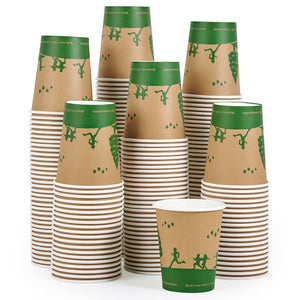
The better trend is a full station kit. Start with compostable cups, then pair them with lids that actually fit the cup diameter. For hot drinks, ECO-Lipak buyers often compare compostable hot cups with CPLA lids, natural color compostable paper hot cups, and universal-fit CPLA cup lids before deciding how to stock a cafe, office pantry, or event beverage bar.

The Coffee Station Checklist
| Station Zone | What to Stock | Why It Matters |
|---|---|---|
| Drink build area | Hot cups, matching CPLA lids, stirrers | Reduces lid mismatch, drips, and staff rework. |
| Guest pickup | Napkins or bamboo paper towels | Handles small spills without sending guests back to the counter. |
| Cleanup point | Paper towels and a clearly marked compost/waste setup | Keeps liquids, grounds, and used supplies from mixing randomly. |
| Restock shelf | One backup sleeve per peak hour | Prevents staff from opening the wrong product during rush periods. |
Where Compostability Still Needs Human Help
Compostable packaging still needs the right disposal path. The EPA explains composting as a managed process, not a magic property that happens anywhere. The BPI certification program also matters because buyers need evidence behind compostable claims. Even then, local acceptance varies, so the station should tell staff whether used cups, lids, grounds, and food scraps go into compost, landfill, or a back-of-house collection bin.
One practical rule: keep liquids out of the sorting bin. A half-full latte can ruin the experience for staff and contaminate a liner. Put a small drain cup or liquid dump point near the waste station before the compost bin.

Three Real Use Cases
- Independent cafe: Use 8 oz cups for espresso drinks, 12 oz for standard lattes, and keep matching lids next to each cup stack.
- Office pantry: Stock one standard cup size, one lid size, and bamboo kitchen paper towels so employees do not improvise with mixed supplies.
- Event coffee bar: Place the sorting station at the bar exit, not hidden behind the service table, so guests see it after finishing drinks.
FAQ
Are compostable coffee cups enough to make a coffee station sustainable?
No, cups alone are not enough. A stronger station pairs cups with matching lids, towels, sorting bins, and staff instructions.
Can CPLA lids go in compost?
Only when accepted by the local composting program. Use certified products and confirm facility rules before making disposal claims.
What size cup should offices standardize on?
Most offices can standardize on 8 oz or 12 oz cups. Fewer sizes mean fewer lid mistakes and easier restocking.
Should coffee grounds go with compostable cups?
Coffee grounds are often compost-friendly, but they should be collected according to local program rules and kept separate from excess liquid.
How do you avoid greenwashing on station signage?
Use plain instructions instead of broad promises. The FTC Green Guides are a useful reminder that environmental claims should be specific and supportable.