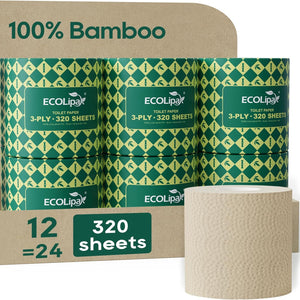
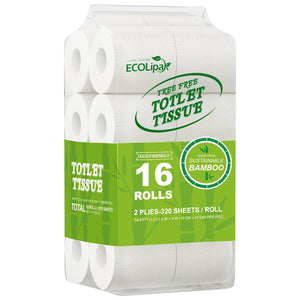
You can make a big difference in your home by choosing a Greywater Strategy that saves water and supports your micro-ecosystem. When you reuse water, you may cut your fresh water usage by up to 50%. Using plant-friendly, chemical-free options like bamboo toilet paper from Ecolipak protects soil health and keeps your septic system safe. Simple changes help you care for your family and the planet.
Key Takeaways
Implementing a greywater system can reduce your fresh water usage by up to 50%, saving money and conserving resources.
Always use plant-friendly, chemical-free products like Ecolipak bamboo toilet paper to protect your soil and support your home's micro-ecosystem.
Regular maintenance of your greywater system, including cleaning filters and checking for leaks, ensures safety and efficiency.
Choose safe greywater sources, such as water from showers and sinks, while avoiding kitchen sink water and toilet water.
Involve your family in caring for the greywater system to promote eco-friendly habits and enhance water conservation efforts.
Greywater Strategy for Sustainable Homes
What Is Greywater?
You may hear the term greywater when learning about sustainable living. Greywater is the wastewater that comes from your sinks, showers, bathtubs, and washing machines. It does not include water from toilets, which is called blackwater. Greywater contains small amounts of soap, dirt, and food particles, but it is much cleaner than blackwater. You can safely reuse greywater for many purposes in your home if you follow the right steps.
Why Greywater Matters for Eco-Friendly Living
A strong greywater strategy helps you save water and protect the environment. When you reuse greywater, you reduce the amount of fresh water you need for tasks like watering your garden or flushing toilets. This practice lowers your water bills and helps conserve local water supplies. Many families have seen up to a 30% drop in water costs after installing a greywater system. You also help reduce the energy used by municipal water treatment plants. By choosing a greywater strategy, you support cleaner rivers and lakes because less wastewater enters these systems.
You should always use plant-friendly, unbleached, and chemical-free products in your greywater system. Ecolipak offers bamboo toilet paper that is PFAS-free, BPA-free, and unbleached. This choice protects your soil, supports your septic system, and keeps your home’s micro-ecosystem healthy. When you avoid harsh chemicals, you prevent harm to plants and beneficial microbes in your yard.
Common Greywater Sources
You can collect greywater from many places in your home. The most common sources include:
Source Type |
Description |
|---|---|
Showers |
Water from bathing, typically clean. |
Bathtubs |
Water from bathing, typically clean. |
Bathroom Sinks |
Water from washing hands and face. |
Laundry |
Water from washing clothes, may contain detergent. |
Kitchen sinks can also provide greywater, but this water often contains more food particles and grease. Many homes use recycled greywater from showers and bathtubs to flush toilets or water gardens. A good greywater strategy starts with understanding where your water comes from and how you can reuse it safely.
Tip: Always check for leaks, use biodegradable soaps, and clean your filters often to keep your greywater system working well.
Ecolipak supports your greywater strategy by offering eco-friendly products that keep your home and the planet safe.
Setting Up a Graywater Recycling System
Safe Greywater Sources
You need to choose safe sources when you set up a greywater system. Not all household water is suitable for reuse. You should collect water from showers, bathtubs, bathroom sinks, and laundry machines. This water is called domestic greywater. It contains fewer contaminants than kitchen sink water or toilet water. You must avoid water from toilets, dishwashers, or any source that may carry harmful bacteria.
Follow these safety guidelines to protect your health and safety:
Do not store greywater for more than 24 hours. This prevents bad odors and stops nutrients from breaking down.
Minimize contact with greywater. This reduces the risk of exposure to germs.
Infiltrate greywater into the ground. This avoids pooling, which can attract mosquitoes.
Keep your system simple. Simple systems cost less and need less maintenance.
Install a 3-way valve. This lets you switch between greywater and the sewer easily.
Match the amount of greywater to your plants’ needs. Too much water can harm your garden.
Note: Always check local rules before you start. Some places require permits or inspections for a graywater recycling system.
Choosing Ecolipak Bamboo Toilet Paper
Your choice of toilet paper matters for your greywater system and your home’s micro-ecosystem. Ecolipak’s 2-Ply Tree Free Bamboo PFAS-Free & BPA-Free Soft Eco Toilet Paper is a smart choice. This product is made from fast-growing bamboo, which matures in just 3-4 months. Bamboo uses 30% less water than hardwood trees. By switching to bamboo toilet paper, you can save the equivalent of 384 trees in your lifetime.
Here is how Ecolipak bamboo toilet paper compares to conventional options:
Type of Toilet Paper |
Water Consumption per Ton |
Water Consumption per 1,000-foot Jumbo Roll |
|---|---|---|
Wood Pulp Toilet Paper |
20,000 gallons |
50 gallons |
Bamboo Toilet Paper |
5,000 gallons |
12.5 gallons |
Choosing bamboo toilet paper supports sustainability and lowers your environmental impact. You help reduce deforestation and conserve water resources. Ecolipak’s toilet paper is unbleached, chemical-free, and certified by Green Seal, EPA Safer Choice, and Made Safe. These certifications mean the product is safe for you, your plants, and the environment.
Unbleached, natural wood-colored paper towels and tissues are better for greywater systems than bleached ones. They do not contain chlorine residues, and their simple fiber structure breaks down easily. This makes them ideal for composting and for use in a biological diy greywater system. You protect your soil and septic system from chemical contamination when you use unbleached, chemical-free tissue.
Tip: For the best results, always choose plant-friendly, chemical-free products like Ecolipak bamboo toilet paper. This keeps your greywater safe for your garden and your family.
Basic System Design
You can build a basic greywater recycling system at home. Start with a simple design to keep costs and maintenance low. Here are the main parts you need:
Collection System: Collect greywater from showers, sinks, and washing machines.
Filtration Unit: Filter out debris, hair, and soap particles.
Disinfection System: Treat the water with UV light, ozone, or chlorine to kill germs.
Storage Tank: Store treated greywater in a tank for later use.
Distribution System: Pump the water to your garden, toilets, or cooling systems.
You must match your system to your landscape and the types of plants you want to water. Always use approved irrigation methods and provide overflow protection. Label all pipes and tanks clearly to avoid confusion.
Here are some common mistakes to avoid:
Designing your system before checking local codes.
Making the system too complicated for simple irrigation.
Sending water to plants that cannot handle extra moisture.
Forgetting to allow access for cleaning and inspection.
Ignoring seasonal changes in water use and rainfall.
Using water from prohibited or contaminated sources.
Not providing a safe bypass to the sewer or septic system.
Callout: Never use greywater for vegetable gardens if the water will touch the edible part of the plant. This keeps your food safe.
Maintenance and Safety Tips
Regular maintenance keeps your greywater system safe and efficient. Here are the best practices:
Clean and replace filters often to prevent clogs.
Inspect your system every six months for leaks and proper function.
Check storage tanks for sediment and algae. Clean them as needed.
Use only biodegradable and eco-friendly cleaning products.
Teach everyone in your home about proper disposal practices.
Test your greywater regularly to make sure it is safe, especially if you use it for irrigation.
Adjust your system for seasonal changes in water use and rainfall.
Routine maintenance prevents blockages and extends the life of your system. Using biodegradable products, like Ecolipak bamboo toilet paper, improves system performance and supports sustainability. Professional inspections once a year help you stay compliant with local rules and keep your system running smoothly.
Reminder: Always follow local regulations and get the right permits before you install or change your greywater system.
By following these steps, you protect your home’s micro-ecosystem and support a healthy, sustainable lifestyle. You also help conserve water and reduce your environmental footprint.
Environmental Benefits of Greywater
Water Conservation
You help conserve water every time you reuse greywater in your home. Greywater can make up almost 70% of your household wastewater. When you use greywater for irrigation or water harvesting, you reduce the amount of fresh water needed for daily tasks. This practice lowers the volume of wastewater sent to treatment plants. You also decrease the energy demand for water treatment, which supports economic growth and food production. In urban areas, greywater reuse eases pressure on water supplies and sewage systems. During drought, using greywater for irrigation helps you reach sustainable goals and keeps your landscape healthy.
Greywater reuse lowers municipal wastewater.
It improves water quality in rivers and lakes.
It reduces soil contamination and boosts public health.
Soil and Plant Health
Greywater supports soil and plant health when you use eco-friendly products. Ecolipak’s bamboo toilet paper is biodegradable and breaks down quickly. This reduces waste in landfills and helps keep your soil clean. Bamboo grows fast, so it conserves resources and supports water harvesting. Using bamboo products lowers deforestation, which leads to healthier soil and stronger plant ecosystems. When you irrigate your garden with greywater, you give your plants extra moisture and nutrients. Permaculture design uses greywater to build resilient gardens and landscapes.
Tip: Choose unbleached, chemical-free tissue for your greywater system. Bleached paper towels leave chlorine residues that can harm soil microbes and slow down decomposition. Unbleached tissue breaks down easily and supports beneficial microorganisms.
Supporting Your Home’s Micro-Ecosystem
Your micro-ecosystem thrives when you use low-tech water reuse and eco-friendly products. Chemical-free, unbleached tissue protects soil health and keeps your septic and compost systems safe. Beneficial microbes break down organic matter faster when you avoid chlorine residues. This helps maintain balance in your home’s micro-ecosystem. Permaculture design encourages you to use greywater and plant-friendly products to support soil and plant life. You prevent chemical contamination and create a healthier environment for your family.
Note: For environmentally conscious homeowners, using unbleached, chemical-free tissue is essential. You protect your soil, support your septic system, and keep your micro-ecosystem strong.
Everyday Greywater Tips
Dos and Don’ts
You can make your greywater system safe and effective by following some simple rules. Here are important dos and don’ts for daily use:
Use greywater for sub-surface irrigation, such as watering trees and shrubs under mulch.
Choose natural, biodegradable soaps and household products to keep water safe for plants.
Limit greywater use to non-edible plants. Avoid watering vegetables if the water touches the edible part.
Divert water from heavily soiled laundry to the sewer.
Never store greywater for more than 24 hours to prevent odors and bacteria growth.
Prevent any connection between your greywater and drinking water systems.
Avoid complicated systems that are hard to maintain.
Do not mix greywater with animal feed or drinking water.
Tip: Always use unbleached, chemical-free tissue like Ecolipak bamboo toilet paper. This protects your soil, supports your septic system, and keeps your home’s micro-ecosystem healthy.
Troubleshooting
You may face some common issues with your greywater system. Here are steps to solve them:
Inspect filters for clogs. Clean or replace them if needed.
Check pipes and connections for leaks. Tighten or replace parts to stop water loss.
Review your system design. Make sure it fits your household needs. Ask a professional for help if you see problems.
Set a regular schedule for cleaning and checking all parts of your system.
If you keep up with these steps, your greywater system will run smoothly and safely.
Family Participation
You can involve your whole family in caring for your greywater system. Teach everyone to use only plant-friendly, biodegradable products. Show children how to spot leaks or report strange smells. Make a chart for filter cleaning and system checks. Celebrate when your family saves water or helps the garden thrive.
Note: Choosing eco-friendly products like Ecolipak bamboo toilet paper makes it easy for everyone to protect your home’s micro-ecosystem every day.
You can make a lasting impact by adopting eco-friendly greywater strategies in your home. These systems help you save water, lower bills, and protect your micro-ecosystem. The table below highlights the long-term benefits:
Benefit |
Description |
|---|---|
Reduced Water Consumption |
Reusing greywater can decrease potable water use by 30%–50%. |
Lower Wastewater Discharge |
Capturing and reusing water reduces septic volume and extends system life. |
Environmental Protection |
Keeps pollutants out of waterways and lowers your carbon footprint. |
Choosing Ecolipak's bamboo toilet paper supports water conservation and keeps your soil healthy. Start using greywater and eco-friendly products today to create a greener, healthier home.
FAQ
What is the best type of tissue for a greywater system?
You should use unbleached, chemical-free tissue. This protects soil health and supports your septic and compost systems. Ecolipak bamboo toilet paper is a safe choice for your home’s micro-ecosystem.
Can I use greywater to water all plants?
You can use greywater for trees, shrubs, and non-edible plants. Avoid watering vegetables if the water touches the edible part. Always check local guidelines before using greywater in your garden.
Why does chemical-free toilet paper matter for the environment?
Chemical-free toilet paper prevents harmful residues from entering your soil. You protect beneficial microbes and avoid chemical contamination. This keeps your home’s micro-ecosystem healthy.
How do I keep my greywater system safe?
You should clean filters often and check for leaks. Use only biodegradable products. Teach your family about proper use. Regular maintenance keeps your system running smoothly.
Is Ecolipak bamboo toilet paper septic safe?
Yes! Ecolipak bamboo toilet paper dissolves easily and is septic safe. You can use it in your greywater system without worry. It supports both your plumbing and your garden.