Quick Answer: ECO-Lipak’s practical tableware standard is simple: choose materials that fit real meals, real cleanup, and real purchasing questions before making broad sustainability claims. For buyers, that means checking PFAS-free claims, material type, heat or moisture needs, serving style, and the local composting path before choosing plates, bowls, clamshells, or cutlery.
Key Takeaways
- PFAS-free tableware is a purchasing standard, not just a marketing phrase; ask what material and food-contact use case it supports.
- Palm leaf, sugarcane, bamboo, CPLA, and paper each solve different meal problems, so one material should not be forced into every menu.
- For office lunches and events, match plate strength, bowl depth, and cutlery stiffness to the heaviest dish on the table.
- Compostable products still need a managed composting route; disposal claims should stay specific and local.
- The best low-waste setup includes service, leftovers, and cleanup, not only the moment food is served.
A Brand Standard Built Around Real Meals
It is easy for disposable tableware to sound greener than it behaves. ECO-Lipak’s useful standard is more practical: start with the meal, then choose the material. A salad bowl, a saucy takeout box, a hot coffee lid, and a wedding dinner plate do not ask the same thing from packaging. Strength, moisture, heat, cut resistance, and cleanup all matter.
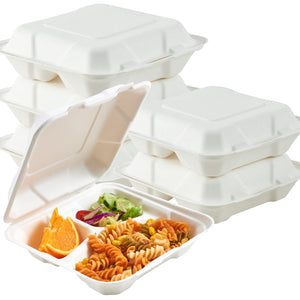
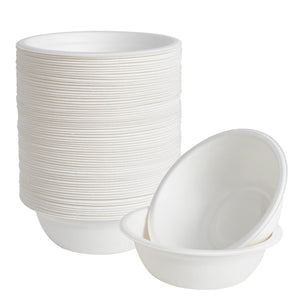
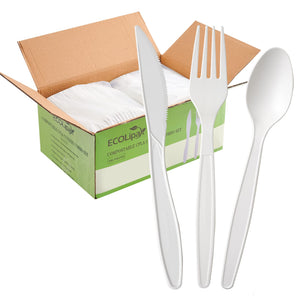
That is why ECO-Lipak’s product mix spans palm leaf plates, sugarcane clamshell to-go boxes, compostable sugarcane bowls, and compostable cutlery. The point is not to crown one material as perfect. The point is to match the material to the job.

How ECO-Lipak Thinks About Material Fit
| Material Choice | Best-Fit Scenario | Buyer Check |
|---|---|---|
| Palm leaf | Premium events, dry or lightly sauced entrees, visual table settings | Check plate size and meal weight before choosing dinner vs dessert plates. |
| Sugarcane fiber | Bowls, trays, clamshells, and everyday meals with moisture | Check PFAS-free positioning and heat/holding expectations. |
| CPLA | Hot cup lids and sturdy compostable cutlery | Check size fit and local compost acceptance. |
| Bamboo or paper | Napkins, towels, tissue, and light cleanup supplies | Check softness, absorbency, and whether the product fits food-contact use. |
PFAS-Free Should Stay Specific
PFAS-free matters most when food contact and trust matter. But the claim should stay attached to a product, material, and use case. If a buyer is reviewing PFAS-free disposable tableware, the next question should be practical: will this product hold the actual food, temperature, oil, sauce, and service time?
The FTC Green Guides are a useful guardrail here because broad environmental claims can mislead when they are not specific. For compostability, the BPI certification program helps buyers understand third-party review, while the EPA’s composting guidance reminds teams that composting is a managed system.

Three Buying Scenarios ECO-Lipak Designs For
- Office lunch: Use bowls for grain meals, plates for sandwiches or salads, and paper towels for counter cleanup. Keep the sorting point visible.
- Catered event: Use heavy-duty palm leaf plate sets when presentation matters and meal weight is predictable.
- Takeout operation: Use sugarcane clamshells or bowls when moisture and transport are bigger concerns than tablescape styling.
What Buyers Should Ask Before Ordering
- What is the heaviest or wettest food this product must hold?
- Will guests eat immediately, carry the meal, or reheat later?
- Does the product need a matching lid, napkin, towel, or cutlery item?
- Is there a local composting route, or should disposal messaging be more conservative?
- Will the tableware support the brand experience without creating cleanup confusion?
FAQ
Is PFAS-free the same as compostable?
No, PFAS-free and compostable are different claims. PFAS-free speaks to a chemical concern, while compostable speaks to end-of-life conditions.
Which material feels most premium for events?
Palm leaf often feels most premium for visual table settings. Its natural texture works well for dinners, weddings, and upscale casual events.
Are sugarcane bowls better for saucy foods?
Often yes, sugarcane bowls and trays are a practical fit for meals with moisture. Always match bowl depth and holding time to the dish.
Can all compostable tableware go into backyard compost?
No, not all compostable tableware is suitable for backyard compost. Many items need commercial composting conditions or local program acceptance.
How should a small business start switching supplies?
Start with the highest-volume meal moment. Replace the plate, bowl, cup, or clamshell that customers use most, then add matching cleanup supplies.