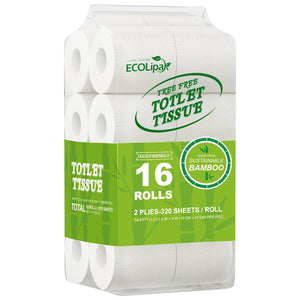
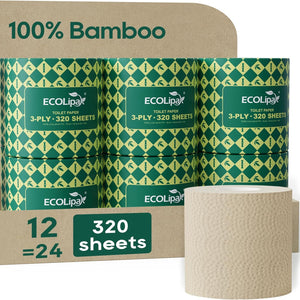
Quick Answer: Yes, standard toilet paper, bamboo toilet paper, and recycled toilet paper are made to break apart in water and are biodegradable under suitable conditions. But “biodegradable” does not make every paper product flushable. Facial tissues, paper towels, and wipes are designed for different jobs and should go in the trash unless local guidance explicitly says otherwise. For toilets and septic systems, the safest rule is simple: flush only human waste and toilet paper.
Key Takeaways
- Biodegradability describes eventual breakdown; flushability describes behavior in a plumbing and wastewater system.
- Bamboo, recycled, and conventional toilet paper can all be suitable when they disperse readily and are used in reasonable amounts.
- Facial tissue, paper towels, and wipes are not substitutes for toilet paper, even when labeled plant-based or biodegradable.
- Septic, RV, marine, and older plumbing systems benefit from smaller flush loads and a product that breaks apart quickly.
- A home jar comparison can reveal relative dispersal, but it is not a certification or a guarantee for a specific system.
The phrase “biodegradable toilet paper” sounds straightforward, but it combines two different questions. First, can microorganisms eventually break down the material? Second, will the sheet lose strength quickly enough in water to move through a toilet, drain line, treatment plant, or septic tank without creating avoidable problems? A product can be biodegradable in a broad environmental sense and still be a poor choice for flushing.
Toilet paper is engineered to sacrifice wet strength. It needs enough strength to use, then it should separate into smaller pieces after flushing. Paper towels are engineered almost the opposite way: they are meant to stay strong when wet. Facial tissues may contain strength or softness features that make them disperse less readily than toilet paper. Wipes can remain intact for much longer, including products marketed with environmental language.

Biodegradable Is Not The Same As Flushable
| Product | Designed to disperse in a toilet? | Practical disposal guidance |
|---|---|---|
| Conventional toilet paper | Yes | Flush in reasonable amounts |
| Bamboo toilet paper | Yes, when sold for toilet use | Flush in reasonable amounts; compare dispersal for sensitive systems |
| Recycled toilet paper | Yes, when sold for toilet use | Flush in reasonable amounts |
| Facial tissue | Not reliably | Place in trash rather than using it as routine toilet paper |
| Paper towel or napkin | No | Place in trash or an accepted organics stream; do not flush |
| Wet wipe, including many “flushable” wipes | May remain intact longer than toilet paper | Trash is the cautious default |
The U.S. EPA's septic-system FAQ tells homeowners not to flush items such as wipes, paper towels, feminine hygiene products, or other solids. The agency's public guidance also encourages Americans to flush only toilet paper besides human waste. This rule is easier to follow than trying to judge flushability from a vague “natural” or “biodegradable” label.
How Bamboo, Recycled, And Conventional Rolls Compare
Bamboo toilet paper uses bamboo-based pulp instead of relying only on conventional wood pulp. The fiber source may appeal to buyers looking for alternatives, but the roll still needs to perform as toilet paper: acceptable softness and strength in use, followed by prompt dispersal in water.
Recycled toilet paper uses recovered fiber. Texture, ply, and sheet density vary by brand. Recycled content alone does not tell you exactly how fast a sheet will break apart, so sensitive plumbing users should still compare the specific product.
Conventional toilet paper also varies widely. A thick, highly cushioned roll may use more fiber per sheet and may take longer to separate than a lighter roll. “Regular” is not one fixed performance category. Ply count, embossing, bonding, additives, and how much paper a person uses per flush can all affect what reaches the drain.
A Simple Three-Jar Observation
- Label three clear jars for the products you want to compare.
- Add the same amount of room-temperature water to each jar.
- Place the same number and approximate size of sheets in each jar.
- Wait briefly, then swirl each jar with the same number of gentle turns.
- Observe whether the sheets separate into loose fibers, tear into pieces, or remain largely intact.

This comparison is useful for seeing relative behavior, but keep its limits clear. A jar does not reproduce pipe diameter, slope, water volume, existing buildup, a septic tank, or a municipal treatment process. It cannot certify a product as safe for every toilet. If a building has recurring backups, slow drains, or a specialized system, ask a plumber, facility manager, campground, marina, or system manufacturer for guidance.
What Matters For Septic, RV, And Older Plumbing?
For a sensitive system, focus on the complete flushing habit. Use a reasonable amount of toilet paper, avoid flushing wipes and non-toilet tissue, and split a very large amount across more than one flush when necessary. A roll that disperses quickly can help, but no paper can compensate for a blocked line, poor system maintenance, or repeated flushing of inappropriate items.
RV and marine toilets may use less water and have narrower or more complex waste routes than a household toilet. Follow the equipment maker or campground rules first. Do not assume that a green label overrides those instructions. The same caution applies to older buildings with known plumbing constraints.
How To Read Environmental Claims
A useful product page should identify the fiber source, ply, roll or sheet details, and the intended use without suggesting that biodegradability makes littering or improper flushing harmless. The FTC's Green Guides summary explains why broad, unqualified environmental claims can mislead consumers and why degradable claims need appropriate context.
For shoppers comparing bamboo options, ECO-Lipak offers 2-ply bamboo toilet paper, 3-ply white bamboo toilet paper, and 3-ply brown bamboo toilet paper. Choose by the balance of softness, sheet use, roll format, and system needs. A separate product such as bamboo facial tissue is intended for facial use and belongs in the trash, not the toilet.
A Better Bathroom Disposal Setup
Put a small, lined trash bin within easy reach of the toilet so guests do not need to guess where wipes, tissues, floss, or hygiene products belong. In a rental, workplace, or event restroom, a short sign can say “Flush toilet paper only” and show common trash items. Restock before rolls run out, because an empty holder is one reason people reach for facial tissue or paper towels.
For broader purchasing and material guidance, visit ECO-Lipak's resource list or browse the wholesale eco-friendly products collection. The most sustainable choice is still one that performs correctly, is used in a sensible amount, and enters the right waste system.
FAQ
Is bamboo toilet paper biodegradable?
Yes. Bamboo toilet paper is made from plant-based cellulose fiber and can biodegrade under suitable conditions. That does not make every bamboo tissue product appropriate for flushing.
Is recycled toilet paper safe for septic systems?
Many recycled toilet papers are designed to disperse like other toilet paper. Product construction and user habits vary, so people with a sensitive system should compare dispersal and follow their septic professional's advice.
Can facial tissue be flushed if it is biodegradable?
No, not as a routine practice. Facial tissue may retain more wet strength than toilet paper. Put it in the trash even when it is made from bamboo or another biodegradable fiber.
Are flushable wipes the same as toilet paper?
No. Wipes can remain intact longer and contribute to plumbing and wastewater problems. Trash is the cautious disposal choice unless authoritative local system guidance says otherwise.
Does thicker toilet paper break down more slowly?
It can, because more fiber and stronger bonding may take longer to separate. Ply count alone is not a complete predictor, so compare the actual product and use a reasonable amount.
How can I tell whether toilet paper disperses quickly?
Use an equal-sheet jar comparison as a simple observation. It can show relative breakup, but it does not certify the product or guarantee performance in a particular plumbing system.