Quick Answer: For dry or neatly stacked meals, a single-compartment sugarcane clamshell is usually the cleaner carryout choice. For saucy grains, chopped salads, and meals built in layers, a wide-rim bowl is easier to fill, garnish, and eat from. The right format depends on moisture, travel time, and how the customer opens the meal.
Key Takeaways
- Choose clamshells for structured meals that need a hinged lid and fast stacking.
- Choose wide-rim bowls when sauce, toppings, and eating comfort matter more than a flat shape.
- Use plates as companions for events, sides, and meals that do not need a deep container.
- Keep compostable claims specific and tied to local disposal access.
Takeout packaging decisions often get reduced to ounces and case price. In practice, moisture is the quiet variable that changes everything. Steam, dressing, and sauce keep moving after the lid closes, so a package that looks tidy on the prep counter can feel crowded after 20 minutes in transit.

Start With the Food, Not the Container
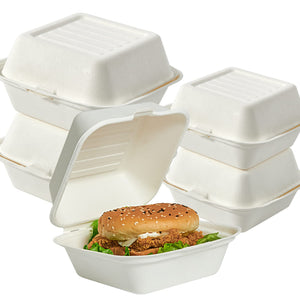
The Clamshell Durable Leak-Proof Sugarcane To Go Boxes works well for sandwiches with sides, breakfast platters, roasted vegetables, and entree portions that are not swimming in sauce. A hinged lid keeps service fast because staff do not need to match separate lids during a lunch rush.
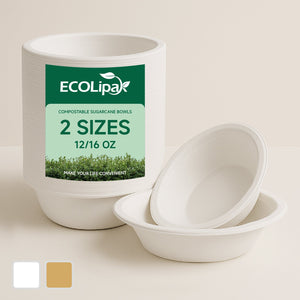
The 12 oz / 16 oz Wide Sides Leak-Resistant Sugarcane Compostable Bowls is a better starting point when the meal is assembled in layers. Grain bowls, noodle salads, and saucy proteins benefit from a wider eating surface and a shape that keeps toppings visible.
| Menu Item | Better Format | Why |
|---|---|---|
| Sandwich with a side | Clamshell | Fast close, compact pickup shelf |
| Rice bowl with sauce | Wide-rim bowl | Better topping visibility and less crowding |
| Hot entree with dry sides | Clamshell or plate | Organized portions without overfilling |
| Chopped salad | Wide-rim bowl | Room to toss and eat cleanly |
Moisture Decides the Guest Experience
A quick field test helps: pack one realistic order, wait the actual delivery or pickup time, then open it like a customer would. Check lid contact, sauce movement, and whether the guest can eat without transferring the meal.
For disposal and claims, the EPA has a useful overview of composting basics, and the FTC Green Guides explain why environmental marketing should be clear and qualified.

When Plates Are the Smarter Companion
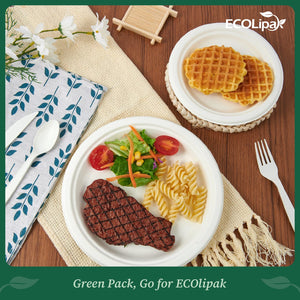
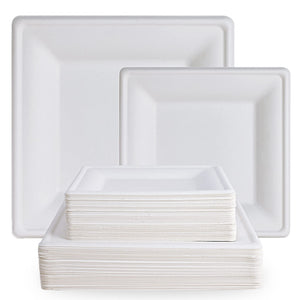
Not every item belongs in a bowl or clamshell. For tastings, side dishes, and seated meals, 7 & 9 in Microwave-Safe Sugarcane Compostable Plates or 8 & 10 in Square Heat-Resistant Sugarcane Compostable Plates can be the cleaner companion. Plates also prevent teams from overfilling deep containers simply because they are available.
If your team is standardizing materials, ECO-Lipak's PFAS-free compostable tableware standard explains the practical baseline behind product selection. The palm leaf plates vs sugarcane plates guide is a useful next read for material comparison.
FAQ
Are clamshells better than bowls for hot takeout?
They can be, especially for structured foods that do not need much stirring. For saucy bowls, salads, and visible toppings, a wide-rim bowl often gives a better eating experience.
Can compostable sugarcane containers handle moist foods?
They are commonly used for moist meals, but performance still depends on sauce level, holding time, and temperature. Test with your actual menu.
Do compostable containers always go in home compost?
No. Compostability depends on material, certification, and local composting access. Check local rules before making disposal claims.
Should a caterer stock both bowls and clamshells?
Usually yes. A small mix lets staff pack by food behavior instead of forcing every meal into one format.