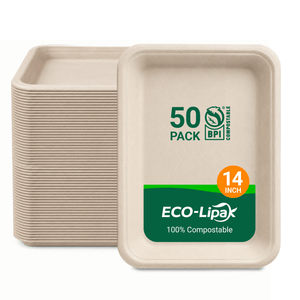
Quick Answer: Compostable food trays work best when they replace plastic party platters in high-contact serving moments: sandwiches, fruit, salads, sides, and light entrees. Sugarcane fiber trays are useful because they are rigid enough for buffet handling, simple to sort after an event, and easier to explain to guests than a mixed-material platter. They still need the right disposal path, so plan the tray, food scraps, and cleanup station together.
Key Takeaways
- Match the tray to the menu. Flat sandwiches, fruit, salads, and snack boards need different rim height than saucy mains.
- Sorting matters as much as material. A compostable tray only helps when guests know where food scraps, liquids, and recyclables go.
- Use trays where they reduce handling. One sturdy tray can replace several flimsy plates during buffet setup and cleanup.
- Avoid vague claims. Use specific language such as sugarcane fiber, PFAS-free, BPA-free, or compostable where supported.
- Plan backups. Keep 10-15% extra trays for refills, late arrivals, and unexpected menu changes.
Outdoor parties often create waste in small, scattered decisions: a plastic platter for fruit, a second tray for sandwiches, paper plates for seconds, and a trash bag that receives everything because no one wants to think during cleanup. A better setup starts earlier, before the first tray hits the buffet table.
For ECO-Lipak customers, 14 in compostable sugarcane food trays are a practical anchor for parties, school events, office lunches, and community tables. They are not magic by themselves. Their value comes from the combination of tray strength, clear food use, and a cleanup plan that guests can follow without a speech.

Where Compostable Food Trays Make the Biggest Difference
A tray should reduce friction. If it only looks greener but makes food harder to serve, guests will work around it with extra plates, foil, or plastic wrap. The best tray moments are the ones where a single tray carries food cleanly, looks presentable, and moves from prep table to buffet without repacking.
| Event moment | Best tray use | Why it helps | What to pair with it |
|---|---|---|---|
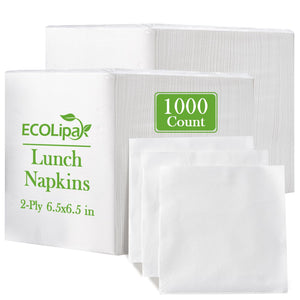
| Picnic sandwiches | Line up halves or wraps in one tray | Reduces separate plastic containers | paper napkins |
| Fruit and snack boards | Use shallow trays with enough rim | Keeps loose items together | Small serving tongs |
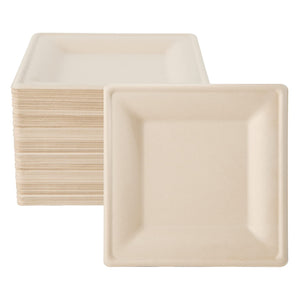
| Office lunch buffet | Separate mains, sides, and salads | Speeds refills and keeps the line moving | round sugarcane plates |
| Community cleanup | Stack used trays near sorting bins | Makes the disposal path visible | Food-scrap bin and recycling bin |
The Material Is Only Half the Story
Sugarcane fiber, often called bagasse, is made from agricultural fiber left after juice extraction. In foodservice, its appeal is simple: it can be molded into plates, bowls, trays, and containers that feel familiar at the table. A compostable tray is easier for guests to understand when it is part of a visible system: food first, scraps next, tray last.
The U.S. EPA's composting guidance is a good reminder that composting depends on process and local acceptance, not just the word printed on a product page. The FTC Green Guides are also useful when you want environmental claims to stay specific instead of drifting into greenwashing.

A Better Party Setup Workflow
- Choose the main tray size. Use 14 in trays for shared dishes and larger snack portions.
- Separate wet and dry foods. Put saucy items in bowls or covered containers instead of forcing every dish into a flat tray.
- Set one visible refill zone. Keep clean backup trays stacked near the prep table, not scattered under chairs or coolers.
- Place sorting bins before guests arrive. Add food scraps, compostables, recycling, and landfill if your event needs all four.
- Review local rules. Compostable packaging acceptance varies, especially for private haulers, municipal programs, and backyard compost.
For larger events, it helps to build a full tableware set rather than buying trays in isolation. Browse compostable trays for serving, compostable plates for guest portions, and paper napkins for table cleanup.

When Not to Use a Flat Food Tray
Flat trays are not the right answer for every menu. Soup, curry, very oily noodles, and delivery meals need containers with deeper walls or lids. For those jobs, a sugarcane to-go box or bowl may protect the food better. The greener choice is the one that fits the food well enough to prevent leaks, waste, and last-minute repacking.
FAQ
Are compostable food trays always composted after a party?
No. Composting depends on local collection rules, contamination, and facility acceptance. Treat the tray as one part of a sorting plan, not a guarantee.
What foods fit sugarcane food trays best?
Sandwiches, fruit, salad, pastries, snacks, and dry sides usually fit well. Very liquid or oily foods need deeper containers.
How many extra trays should I order?
For most events, keep 10-15% extra trays for refills, late guests, dropped items, or menu changes.
Can sugarcane trays replace serving platters?
Often, yes. They work especially well when the tray can go from prep table to buffet without transferring food again.
What should I do with leftover clean trays?
Store unopened or clean trays in a dry place for future events. Do not place unused trays near wet food scraps during cleanup.