Quick Answer: Put facial tissues where a person can reach them before leaving a seat or vanity: one pack in the main office waiting area, one at a guest-room sink or bedside, and one at an occupied wellness consultation point. Pair each public pack with a nearby waste bin, keep reserve packs dry and out of sight, and restock from observed pack use rather than placing tissue boxes on every surface.
Key Takeaways
- Facial tissue placement should follow real touchpoints, not decorate every table.
- A nearby waste bin matters as much as the tissue pack.
- Keep one working pack visible and reserve packs protected from moisture and handling.
- Track packs used by location and week to set a practical restock level.
- Facial tissues support comfort and respiratory etiquette but do not replace handwashing or routine cleaning.
A shared space can have plenty of facial tissues and still make them hard to use. A pack behind a reception desk is invisible to a waiting visitor. A guest-room pack stored in a closed cabinet is easy for housekeeping to find but not for the guest. A wellness room with tissues but no nearby bin moves the disposal problem somewhere else.
The better setup is simple: one reachable working pack, one appropriate disposal point, and a small protected reserve. The exact location changes with the room.

Where Facial Tissues Belong
| Shared space | Working location | Nearby support |
|---|---|---|
| Office reception | Side table within reach of the main seating cluster | Small no-touch or open waste bin and hand hygiene access |
| Meeting room | Credenza or central supply point, not every chair | Waste bin near the exit |
| Guest room | Vanity, bedside, or desk based on room layout | Lined waste bin and a housekeeping reserve |
| Wellness consultation room | Side table reachable from the client chair | Waste receptacle and the facility's normal cleaning supplies |
| Shared beverage area | Dry shelf away from drips and steam | Separate napkins or towels for beverage spills |
The CDC's respiratory hygiene recommendations for healthcare settings include providing tissues and no-touch receptacles, followed by hand hygiene after contact with respiratory secretions. A general office or guest room is not a clinical space, but the pairing offers a useful design principle: tissues and disposal should be planned together.
One Working Pack, Not a Product Display
Start with one open pack per active touchpoint. Extra visible packs do not automatically improve service. They collect dust, get moved, and make it harder to tell whether the location is actually running low. Store sealed reserves in a dry drawer, cabinet, or staff shelf within the same zone.
ECO-Lipak's 3-ply white bamboo facial tissues contain 150 three-ply tissues per soft pack. The product is available in 8- and 12-pack box options and 32- and 48-pack carton options. The soft rectangular pack can sit on a side table or fit into a drawer more easily than a rigid decorative box, but the room layout should still determine placement.
A Practical Restock Method
- Label locations in the staff checklist. Use plain names such as reception, meeting room A, guest room floor 2, or consultation room.
- Record starting packs. Count sealed and active packs separately.
- Track replacements for one normal week. Do not use a holiday, outbreak, or unusually empty week as the only baseline.
- Set a local par level. Cover expected use until the next delivery plus a small reserve based on actual variability.
- Review slow locations. If a pack is rarely used, check whether it is unnecessary or simply hard to see.
A small office might replace two reception packs in a week and none in a little-used meeting room. A guest property may see the opposite pattern because each room is reset on a schedule. The useful unit is packs used per location per replenishment cycle, not tissues per employee across the whole building.
| Observation | What it may mean | Next check |
|---|---|---|
| Pack empties before every scheduled check | Par level or check frequency is too low | Add one protected reserve or shorten the interval |
| Several open packs appear in one room | Staff cannot see the working pack or ownership is unclear | Choose one fixed point and one refill owner |
| Pack is damp or stained | Placement is too close to sinks, drinks, or cleaning spray | Move it to a dry adjacent surface |
| Used tissues are left on tables | Disposal is too far away or not visible | Add or reposition an appropriate waste bin |
Three Room Setups
Office waiting area: Put one pack on the table serving the largest seating cluster. If seats are split by a walkway, a second pack may be useful. Keep bulk stock at reception or in a nearby supply cabinet rather than under visitor chairs.
Guest room: The vanity is practical for skincare and morning routines; the bedside works for overnight access. Choose one primary point based on room size. Housekeeping can keep sealed reserves on the cart or in a dry service closet.
Wellness room: Put tissues within reach of the client chair without crowding treatment supplies. A small lined bin should be equally easy to reach. Follow the facility's established cleaning and infection-control procedures; a tissue station is only one comfort feature.

What Facial Tissues Should Not Replace
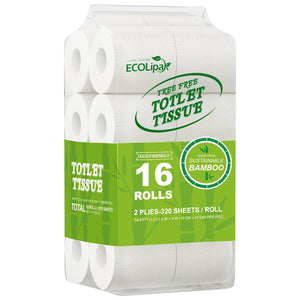
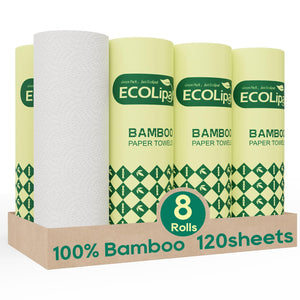
Facial tissues are not paper towels for counter spills, hand towels for routine drying, or cleaning wipes. Matching each paper product to its job helps prevent handfuls of facial tissues from disappearing during beverage cleanup. Use the facial tissue collection for personal-care touchpoints and compare paper towels for kitchen or spill-response tasks.
Disposal rules vary by use and local program. A clean plant-fiber tissue and a used facial tissue may not follow the same accepted stream. Do not place tissues in recycling. Follow the building's waste policy and local collection instructions, and use ECO-Lipak's resource list for related material guidance.
FAQ
Where should facial tissues go in an office?
Start with the reception seating area, occupied meeting rooms, and a dry beverage-area shelf. Place a waste bin nearby and add locations only when use shows a need.
How many facial tissue packs should an office keep?
Track packs used by location during a normal week, then hold enough stock to reach the next delivery plus a measured reserve. Headcount alone is not a reliable answer.
Should every guest-room surface have tissues?
No. One clear primary location, usually the vanity or bedside, is easier to maintain. Add a second only when the room layout creates a real access problem.
Can facial tissues be used to clean drink spills?
They can catch a tiny drip, but they are not designed as the station's main spill supply. Provide a suitable towel or cleaning system for counters and floors.
Are used facial tissues recyclable?
No. Used tissues should not go in recycling. Follow the building's waste and organics-collection rules for disposal.