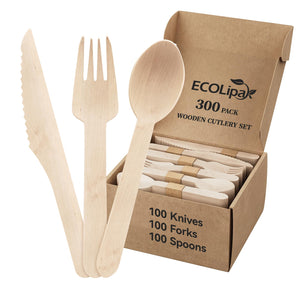
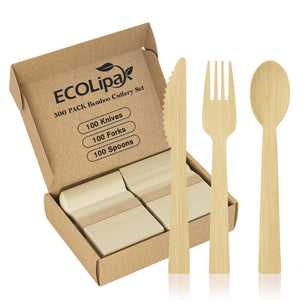
You can host a picnic that feels special and leaves no plastic behind. The beauty of Going Plastic-Free shines at every outdoor meal, with natural tableware blending into the scenery. Less waste means you enjoy the moment more. Research shows certified compostable packaging, like compostable wooden cutlery, enhances food organics recovery and poses minimal risk to composting systems. Check the table below to see how a plastic-free picnic benefits the environment.
Environmental Benefit |
Description |
|---|---|
Reduced Carbon Footprint |
Using recycled materials lowers emissions by up to 40%. |
Conservation of Resources |
Less energy and water used compared to new timber. |
Lower Maintenance Needs |
No upkeep required for natural materials. |
Imagine your gathering with wooden plates and cutlery, surrounded by nature, free from plastic clutter.
Key Takeaways
Choose a sustainable picnic spot to reduce your environmental impact and enjoy nature.
Communicate your plastic-free goal to guests, making it easy for everyone to participate.
Pack eco-friendly items like Ecolipak wooden tableware and reusable containers to minimize waste.
Prepare simple, delicious recipes that require little packaging for a zero-waste meal.
Follow Leave-No-Trace principles to protect nature and ensure a clean picnic area.
Planning a Plastic-Free Picnic
Choosing a Scenic, Sustainable Spot
You set the tone for your picnic by picking a location that supports going plastic-free. Look for parks or campgrounds that focus on conservation and use renewable energy. Many sustainable spots offer eco-education programs and encourage visitors to protect local ecosystems. These places often have efficient waste management and water-saving measures. When you choose a sustainable location, you help reduce your environmental impact and make your picnic more meaningful.
Pick areas that promote conservation.
Choose spots with renewable energy and water-saving systems.
Support locations with eco-education programs.
Look for places with strong waste management.
You create a beautiful backdrop for your picnic and show your commitment to going plastic-free.
Inviting Guests and Sharing Your Vision
Clear communication helps everyone enjoy a zero-waste picnic. Let your guests know about your goal of going plastic-free. Share your excitement and explain how everyone can join in. Use the table below to guide your planning for a waste-free picnic:
Strategy |
Description |
|---|---|
Clear communication |
Tell guests the picnic is plastic-free. |
Shared meal plan |
Ask guests to bring food in reusable containers. |
Provide eco-kits |
Offer bamboo utensils and cloth napkins. |
Sorting stations |
Set up bins for recycling, compost, and washables. |
Eco-education |
Share fun facts or start a 'leave no trace' challenge. |
You help guests feel included and make going plastic-free easy for everyone.
Prepping for Going Plastic-Free
Planning for a waste-free picnic means thinking ahead. You can use beeswax wraps instead of plastic wrap for sandwiches and snacks. Bring reusable bags when shopping for supplies. Fresh produce from farmers' markets often comes without packaging, making it a smart choice. Pack your food in insulated containers or an insulated backpack rather than a plastic cooler. Bring a bag for compostables and a reusable trash bag for any waste.
Here’s a simple zero-waste picnic checklist:
Ecolipak wooden tableware (compostable with food waste)
Beeswax wraps
Reusable bags
Insulated containers or backpack
Cloth napkins
Compost and trash bags
Ecolipak wooden tableware blends with the natural setting and can be composted with food scraps, making cleanup simple. You enjoy the beauty of nature and the harmony of sustainable choices when going plastic-free.
Essential Gear for Going Plastic-Free
Ecolipak Tableware and Compostable Square Palm Leaf Plate
You can make your picnic both sustainable and beautiful with Ecolipak’s eco-friendly tableware. The Compostable Square Palm Leaf Plate stands out as a top choice for eco-conscious picnicware. These plates are made from 100% plant-based materials and crafted through a chemical-free process. You can safely use them with hot or oily foods because they do not release harmful substances. Their sturdy construction handles a variety of foods, and you can use them in the microwave or freezer for added convenience.
Safe for all types of food, including hot and oily dishes
Made from plant-based materials, ensuring compostability
Sturdy and leak-resistant for reliable use
Microwave and freezer safe
Biodegradable, breaking down naturally after use
Chemical-free production supports a cleaner environment
Ecolipak wooden cutlery also offers a durable, splinter-free option for your picnic. You enjoy meals without worrying about plastic waste. The natural grain and color of wooden plates and utensils blend perfectly with the outdoor setting, creating a harmonious and aesthetically pleasing atmosphere. Your picnicware becomes part of the landscape, enhancing the beauty of your gathering.
Tip: Compostable plates decompose in 90 to 180 days, while traditional plastic plates can last hundreds of years in landfills.
Aspect |
Compostable Plates |
Traditional Plastic Plates |
|---|---|---|
Decomposition Time |
90 to 180 days |
Hundreds of years |
Environmental Impact |
Turns into compost |
Adds to landfill, increases pollution |
Material Source |
Renewable resources |
Petroleum-based, non-renewable |
Reusable and Biodegradable Alternatives
You have many options for eco-friendly picnicware beyond palm leaf plates. Biodegradable and reusable utensils help you avoid single-use plastics. Bamboo cutlery decomposes quickly and comes from renewable resources. Wooden cutlery breaks down within 90 days in commercial composting. Bagasse cutlery uses sugarcane residue, making it durable and sustainable. Edible cutlery offers a fun twist—you can eat your utensils after your meal. Reusable cutlery kits, such as stainless steel or bamboo, are easy to carry and reduce waste.
Bamboo cutlery is sustainable and biodegradable. It breaks down naturally without toxins. Wooden cutlery is eco-friendly and avoids microplastics. Bagasse cutlery promotes a circular economy by using waste from sugarcane. Edible cutlery provides a unique solution, and reusable kits encourage you to use fewer single-use items.
You can also use reusable containers for packing food. Stainless steel containers last a lifetime and often come with warranties. Glass jars keep food fresh and avoid plastic contamination. Compostable napkins add convenience and support zero-waste goals. These eco-friendly choices make your picnic more sustainable and enjoyable.
Note: Reusable utensils from brands like Klean Kanteen add style and durability to your picnic. They come in different colors and nest together for easy transport.
Packing and Transport Tips
You can pack your picnic without plastic by following simple steps. Choose sustainable dishware, such as stainless steel or glass containers, instead of disposable plastic. Use reusable containers to keep food fresh and safe. Select fresh and organic foods to minimize microplastic contamination. Avoid heating food in plastic; use glass or ceramic containers for cooking. Bring your own water bottles and straws made from stainless steel. Remember to pack reusable trash bags to keep your picnic area clean.
Here is a practical zero-waste picnic packing checklist:
Ecolipak wooden tableware (compostable with food waste)
Compostable Square Palm Leaf Plates
Biodegradable and reusable utensils (wooden, bamboo, bagasse, or edible)
Reusable containers (glass jars, stainless steel boxes)
Compostable napkins
Stainless steel water bottles and straws
Fresh, organic produce
Reusable trash bags
You simplify cleanup by using Ecolipak wooden tableware. You can dispose of plates and cutlery with food waste, allowing them to decompose naturally. This approach supports a sustainable picnic and keeps your gathering free from plastic clutter.
Packing eco-friendly gear enhances both the look and function of your picnic. You create an elegant setup and reduce waste at the same time.
Zero-Waste Picnic Food and Drink
Easy, Packable Zero-Waste Recipes
You can prepare a zero-waste picnic with recipes that require minimal packaging and preparation. Finger foods and fresh produce make your meal both sustainable and easy to serve. You avoid plastic waste and enjoy the flavors of nature. Here are some simple recipes you can pack for your zero-waste picnic:
Salmon Salad Pitas: You mix salmon, greens, and dressing in a reusable container. Stuff the mixture into whole wheat pitas for a protein-rich meal.
Classic Muffuletta: You layer olive salad and deli meats between slices of bread. Wrap each sandwich in beeswax cloth for easy transport.
Lox Bagel: You spread cream cheese on bagels and top with smoked salmon. You pack these in glass containers to keep them fresh.
Healthy Mediterranean Hummus Wraps: You fill wraps with hummus, cucumbers, tomatoes, and greens. You roll them in compostable wraps for a sustainable lunch.
Vegan Stuffed Dates: You stuff dates with vegan feta and herbs. You store them in stainless steel containers for a tasty snack.
Dehydrated Pear Fruit Roll Up: You blend pears and dry the mixture into rolls. You use reusable pouches for storage.
Overnight Oats: You soak oats with fruit and nuts in mason jars. You enjoy a nutritious breakfast without plastic.
You create a zero-waste picnic menu that is both delicious and sustainable. You minimize packaging and make cleanup simple.
Snack and Beverage Ideas
You can serve zero-waste snacks and drinks that fit your sustainable picnic theme. You choose foods that require little packaging and use reusable containers. You keep your picnic fresh and fun with these snack and beverage ideas:
Trail mix or roasted chickpeas in reusable pouches
Mason jar salads layered with leafy greens, grains, and toppings
Homemade cookies or muffins baked in reusable liners
Easy baked vegetable chips made without oil
Homemade plain crackers packed in glass jars
Hummus paired with cut carrots and celery
Fresh fruit skewers with berries, melon, and grapes
Infused water in glass bottles with mint, lemon, or cucumber
You organize your zero-waste picnic snacks in stainless steel bento boxes. You wrap sandwiches in beeswax cloth and serve snacks in reusable pouches. You avoid single-use plastics and keep your picnic sustainable.
Tip: You can use Ecolipak wooden tableware to serve snacks and drinks. The natural look of wooden plates and cutlery blends with the outdoor setting, creating visual harmony with nature.
Plastic-Free Storage Solutions
You keep your zero-waste picnic food fresh and safe with plastic-free storage solutions. You choose containers that are durable and easy to clean. You avoid plastic and support sustainable practices. Here are some top storage options:
Stainless Steel Containers from S’well: Lightweight and freezer-safe, perfect for travel and everyday storage.
YETI Insulated Bowls: Double-wall insulation keeps food at the right temperature for your picnic.
Stasher Bags: Flexible silicone bags that are freezer, dishwasher, microwave, and oven-safe. You use them as a space-efficient alternative to glass containers.
You also use beeswax wraps and reusable totes for bread and sandwiches. You pack your zero-waste picnic foods in containers that protect both your meal and the environment.
Item |
Description |
|---|---|
Reusable containers |
Essential for carrying food without generating waste. |
Beeswax wraps |
An eco-friendly alternative to plastic wrap, ideal for covering food items. |
Aplat Baguette Tote |
A stylish tote that can carry multiple baguettes, promoting reusable options for picnics. |
Bee’s Wrap |
Versatile wraps for various food items, reducing reliance on single-use plastic bags. |
You simplify cleanup by using Ecolipak wooden tableware. You dispose of plates and cutlery with food waste, allowing them to decompose naturally. You eliminate the hassle of post-picnic cleanup and support a sustainable lifestyle.
Note: You can create a zero-waste picnic packing checklist. Include Ecolipak wooden tableware, reusable containers, beeswax wraps, glass jars, stainless steel water bottles, and compostable napkins. You enjoy a sustainable picnic and leave no plastic behind.
Sustainable Atmosphere and Activities
Eco-Friendly Decor with Ecolipak
You can create a beautiful picnic setting by choosing eco-friendly decorations that blend with nature. Dried flowers add color and charm, and you can reuse or compost them after your picnic. Repurposed or rented decor, such as vintage baskets or cloth table runners, lowers environmental impact because you avoid buying new items. Solar lights and LED candles brighten your picnic area without using disposable batteries or extra energy. Ecolipak tableware, including palm leaf plates, brings visual harmony to your picnic. Each plate features unique natural patterns, making your table look elegant and connected to nature. These plates come from renewable resources and contain no harmful chemicals. You can use them in microwaves and freezers, and they help reduce waste and pollution. Your picnic feels cohesive and sustainable when you use these sustainable utensils and dishware.
Zero-Waste Games and Entertainment
You can keep your picnic fun and sustainable by choosing games that do not create waste. Relay races or sack races use cloth bags, which you can reuse for future picnics. Nature scavenger hunts encourage you to explore the outdoors and use reusable bags to collect items. Frisbee and soccer with eco-friendly equipment add excitement without harming nature. These activities support zero-waste goals and help you enjoy the outdoors responsibly. You can challenge your friends to avoid single-use packaging and promote sustainable practices in your community.
Enhancing the Outdoor Experience
You enhance your picnic by engaging in nature-based activities. These activities encourage eco-friendly behaviors, such as minimizing waste and respecting wildlife. Sustainable camping practices help preserve nature for future generations. You can use solar power and choose eco-friendly campgrounds to support responsible outdoor experiences. Spending time in nature helps you appreciate its beauty and motivates you to protect it. You feel connected to nature, and your picnic becomes a celebration of sustainable living. Using sustainable utensils and dishware, like Ecolipak wooden tableware, makes cleanup easy. You can dispose of plates and cutlery with food waste, allowing them to decompose naturally. This approach eliminates the hassle of post-picnic cleanup and supports zero-waste goals.
Tip: You can pack your picnic with Ecolipak wooden tableware, reusable containers, beeswax wraps, and compostable napkins. This checklist makes your picnic convenient and sustainable.
Zero-Waste Picnic Cleanup
Leave-No-Trace Principles
You protect nature when you follow Leave-No-Trace principles during your picnic. These guidelines help you support sustainability and keep outdoor spaces beautiful. You plan ahead and prepare by researching your picnic spot and packing compostable and biodegradable items. You choose durable surfaces for your picnic to avoid harming plants. You dispose of waste properly and leave the area cleaner than you found it. You leave natural items in place for others to enjoy. You minimize campfire impacts by using designated areas. You respect wildlife and keep noise levels low for other visitors.
Leave No Trace Principle |
Application to Picnics |
|---|---|
Plan ahead and prepare |
Research your picnic location and pack accordingly to minimize waste. |
Travel and camp on durable surfaces |
Choose established picnic areas to reduce impact. |
Dispose of waste properly |
Pack out all trash and leftover food; leave the area cleaner than you found it. |
Leave what you find |
Do not take natural items from the picnic area. |
Minimize campfire impacts |
Use fires only in designated areas and keep them small. |
Respect wildlife |
Observe wildlife from a distance and do not feed them. |
Be considerate of other visitors |
Keep noise levels down and share the space respectfully. |
Simple Waste Management
You make your picnic waste-free by sorting and managing waste responsibly. You bring trash bags to collect all waste. You separate recyclables from general waste. You compost organic waste like fruit peels and leftover food. You clean up thoroughly and check for small trash items. You use reusable containers for salads and sandwich fixings to minimize waste. You choose reusable utensils and plates, such as Ecolipak wooden tableware, which are compostable and blend visually with nature. You encourage everyone to bring beverages in reusable containers and use reusable bags instead of traditional baskets.
Bring trash bags for collecting waste.
Separate recyclables from general waste.
Compost organic waste like fruit peels.
Clean up thoroughly and check for small trash items.
Use reusable containers and utensils.
Encourage reusable beverage containers and bags.
Tip: Ecolipak wooden tableware can be disposed of with food waste. It decomposes naturally, making cleanup easy and supporting sustainability.
Composting and Packing Out
You support sustainability by composting and packing out waste after your picnic. Composting at home uses food scraps and yard trimmings, keeping organic materials out of landfills. You can establish communal composting bins in parks or community centers to manage organic waste. These initiatives reduce landfill contributions and promote responsible waste management. You pack out all trash and compostable items, leaving the picnic spot better than you found it.
Compost at home with food scraps and yard trimmings.
Use communal composting bins in parks or community centers.
Pack out all trash and compostable items.
You help nature thrive by minimizing waste and practicing responsible waste management. You make your picnic zero-waste and support sustainability for future gatherings.
Note: You can use a zero-waste picnic packing checklist. Include Ecolipak wooden tableware, reusable containers, compostable napkins, and biodegradable trash bags. This checklist makes cleanup simple and keeps your picnic waste-free.
You can organize a zero-waste picnic with ease and enjoy the rewards. Try reusable items like stainless steel bento boxes and bamboo cutlery kits. Plan a menu with local produce and pack homemade sandwiches in beeswax cloth. Share your picnic stories with friends to inspire others. Choosing eco-friendly options reduces waste, protects wildlife, and helps in promoting sustainability. Ecolipak wooden tableware blends with nature and can be composted with food scraps, making cleanup simple. Start planning your next picnic and see how enjoyable sustainable choices can be.
FAQ
How does wooden tableware create visual harmony with nature?
Wooden tableware blends with the outdoor setting. You see natural colors and patterns that match the scenery. This creates a calm and beautiful picnic atmosphere.
What should you pack for a zero-waste picnic?
You can use this checklist:
Beeswax wraps
Reusable containers
Cloth napkins
Stainless steel water bottles
Compostable trash bags
Tip: Ecolipak plates and cutlery can be composted with food waste.
Can you dispose of Ecolipak wooden tableware with food scraps?
Yes! You place Ecolipak plates and cutlery in your compost bin along with food waste. They break down naturally, making cleanup easy after your picnic.
Is Ecolipak wooden tableware durable for outdoor meals?
Ecolipak wooden tableware stays strong during your picnic. You can serve hot or cold foods without worry. The utensils are splinter-free and comfortable to use.
How can you make your picnic more eco-friendly?
You choose reusable containers and compostable napkins. You avoid single-use plastics. You pack snacks in beeswax wraps. You clean up by composting and recycling.