You want the safest environment for children at mealtime. Bleach-free trays, such as Ecolipak’s Sugarcane 5 Compartment Plates, help protect young students from hidden chemicals and microplastics that can harm their developing bodies. Studies show that the global food system uses plastics and additives that may affect brain health, and children are especially vulnerable. Many schools still rely on plastic trays, but a movement for Microplastic-Free Childhoods is growing. Schools and communities now promote plastic-free education and cafeteria solutions, aiming for cleaner, healthier meals for every child.
Key Takeaways
Choose bleach-free, compostable trays to protect children from harmful chemicals and microplastics during meals.
Switching to Ecolipak’s sugarcane plates supports a healthier cafeteria environment and reduces waste.
Using safe trays can improve children's focus and behavior, leading to better learning experiences.
Engage with schools to promote Plastic Free Lunch Days and educate students about sustainability.
Support a movement for Microplastic-Free Childhoods by advocating for eco-friendly dining solutions.
Microplastic-Free Childhoods in School Cafeterias

Why Microplastics Are a Concern
You want children to grow up in a safe environment, especially during mealtime. Microplastic-Free Childhoods focus on removing tiny plastic particles from school cafeterias. These particles come from many sources, including trays made from plastic or coated with chemicals. When children eat from these trays, they may ingest microplastics without knowing it. This exposure can affect their health in many ways.
Microplastics can enter the body and cause problems. You may notice issues such as thyroid problems or weight changes. Some children face disruptions in puberty or reproductive health. Neurological and nervous system conditions can develop. Heart disease, inflammation, and certain immune conditions may also appear. In rare cases, microplastics link to certain cancers. Protecting children from these risks starts with choosing safer trays.
The Role of Cafeteria Trays
School cafeterias often use trays made from plastic or treated with bleach. These trays can release microplastics and chemicals into food. You want to avoid exposing children to these hidden dangers. By switching to bleach-free, compostable trays, you help create Microplastic-Free Childhoods. Ecolipak’s sugarcane trays offer a pure, untainted mealtime experience. They do not contain synthetic chemicals or plastics, making them a safer choice for young students.
Many schools now join the movement for plastic-free cafeterias. Plastic Free Lunch Day encourages students to use sustainable lunch options. This initiative highlights the need to reduce single-use plastics, which become microplastics in the environment. On April 19, 2023, schools renewed their commitment to healthier meals and cleaner environments. You can support these efforts by choosing trays that protect children from chemical exposure.
Tip: Ask your school cafeteria about their tray choices. Choosing compostable, bleach-free trays helps keep meals safe and supports Microplastic-Free Childhoods.
Health Risks of Traditional Trays
Chemical Exposure from Bleach and Plastics
You want to protect children from hidden dangers at the lunch table. Many traditional cafeteria trays contain plastics, bleach, or chemical coatings. These materials can release harmful substances into food, especially when heated or scratched. You may not see these chemicals, but they can enter your child’s body during every meal.
Here are some risks you should know about:
Plastics in trays can contain carcinogens, neurotoxic chemicals, and endocrine-disrupting chemicals.
Bleach and chemical coatings may leave residues that mix with food.
Children exposed to these chemicals can face low birth weights, preterm births, and problems with brain development.
Endocrine disruptors can cause obesity, metabolic disorders, and reproductive issues.
Microplastics can carry toxic chemicals into the body, leading to inflammation and possible respiratory problems.
You want to avoid these risks by choosing safer alternatives. Many parents and school leaders now look for trays that do not contain bleach, BPA, or plastics. This helps create Microplastic-Free Childhoods and supports a healthier cafeteria environment.
Long-Term Effects on Children
You may wonder how these chemicals affect children over time. Experts warn that even small amounts of exposure can harm fetal development and cause public health concerns. Research shows that gestational exposure to BPA links to developmental issues like ADHD and autism spectrum disorder. Endocrine-disrupting chemicals can lead to obesity and diabetes, even at low doses.
Microplastics may also cause long-term problems. They can act as irritants, causing inflammation and increasing the risk of gut and colon issues. Some studies connect microplastics to male fertility problems and certain cancers.
Pediatricians and advocacy groups urge schools to switch to safer, bleach-free trays. You can join this movement by choosing products that protect children from hidden chemicals. By making this change, you help ensure a pure, untainted mealtime experience for every child.
Ecolipak’s Safe and Sustainable Solution
Benefits of Compostable Sugarcane Plates
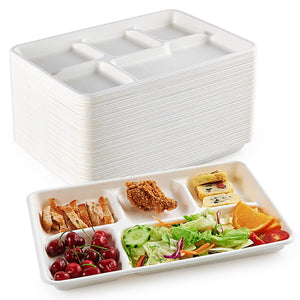
You want to provide children with the safest mealtime experience. Ecolipak’s mission centers on sustainability and child wellness. The company designs every plate to protect young diners from hidden chemicals and allergens. Ecolipak’s organic white sugarcane 5-compartment plates set a new gold standard for institutional youth wellness. These trays contain no synthetic chemicals, optical brighteners, or polymers. Even if a child scratches, bites, or licks the plate, only pure plant fiber touches their mouth.
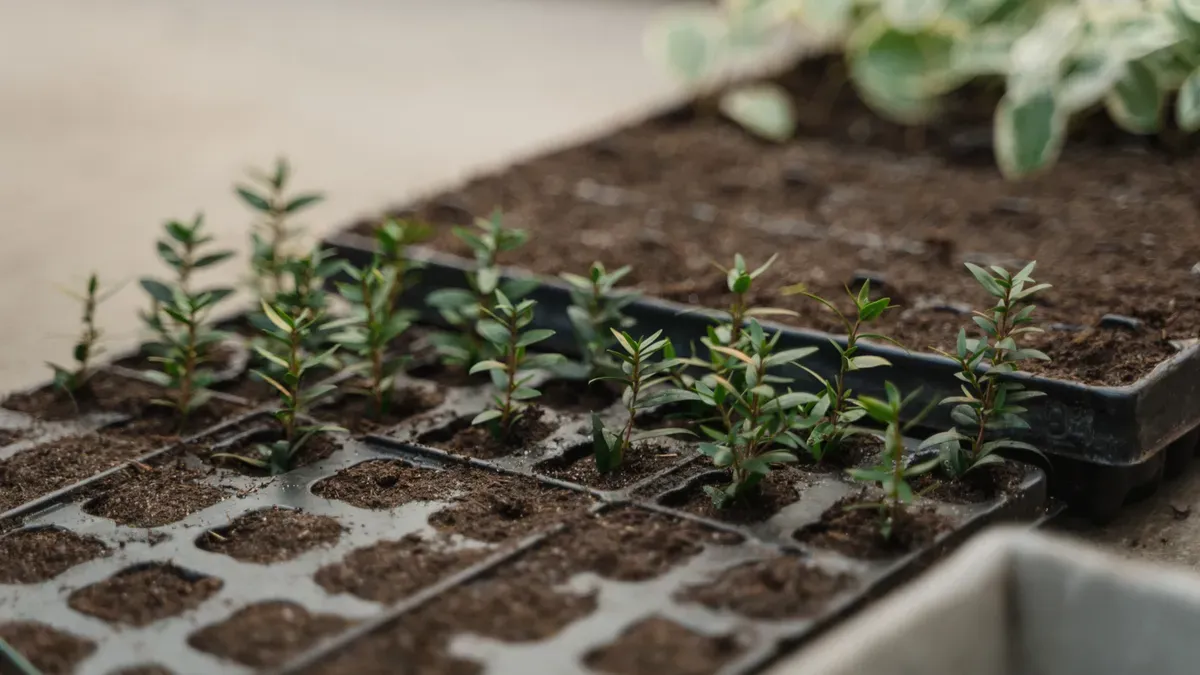
Compostable sugarcane plates offer clear environmental advantages over traditional plastic or foam trays. Unlike plastic, which can linger in landfills and oceans for centuries, sugarcane bagasse plates break down naturally within months. When you compost these plates, they transform into nutrient-rich soil, supporting a healthier ecosystem. This process reduces landfill strain and diverts waste from the environment. Sugarcane bagasse comes from renewable resources, so you help decrease reliance on fossil fuels and minimize environmental impact.
You also support a cleaner cafeteria by choosing compostable trays. These plates do not release harmful chemicals into food. They help create Microplastic-Free Childhoods by eliminating the risk of microplastic and chemical exposure at the lunch table. Schools that switch to compostable trays contribute to a safer, healthier environment for every child.
Features of Ecolipak’s 5 Compartment Plates
Ecolipak’s 5-compartment plates stand out for their safety, durability, and convenience. You can trust these plates for daily use in schools, daycares, and family meals. Here are the key features:
Made from 100% sugarcane bagasse, a food-grade, renewable material.
Free from BPA, wax, gluten, and plastic.
FDA-approved for food safety.
Sturdy and leak-resistant, suitable for both hot and cold foods.
Microwave and freezer safe for easy meal prep and storage.
Five compartments for portion control and food separation.
Note: Ecolipak’s plates meet strict non-toxic manufacturing standards. They contain no optical brighteners or synthetic coatings, so you never have to worry about hidden chemical exposure.
You can see the certifications that support these claims:
Certification |
Description |
Requirements |
|---|---|---|
Gold standard in North America |
ASTM D6400 testing for disintegration, biodegradation, and plant toxicity |
|
TÜV Austria OK Compost INDUSTRIAL |
European compostability standard |
Heavy metal limits and mandatory ecotoxicity testing |
Ecolipak’s plates also outperform other tray options in environmental impact and safety:
Tray Type |
Greenhouse Gas Emissions Reduction |
Compostability |
Performance Characteristics |
|---|---|---|---|
Sugarcane Bagasse |
Fully compostable |
Heat and oil resistant, soak proof, sturdy |
|
Plastic |
N/A |
Limited |
Strong, but high environmental cost |
Foam |
N/A |
Not compostable |
Fails under hot/oily foods, high long-term cost |
You benefit from plates that are soak proof, resistant to moisture and grease, and do not require wax or plastic linings. These features make them ideal for busy cafeterias and active children.
Many schools and parents have shared positive feedback about Ecolipak’s plates. They praise the durability, safety, and eco-friendly design. Customers appreciate that the plates hold up well with all types of food and do not compromise on quality or appearance. You can feel confident knowing that these plates support both child health and environmental responsibility.
Compostable trays like Ecolipak’s help reduce waste, keep food free from harmful chemicals, and support a cleaner planet. By choosing these trays, you create a safer cafeteria environment and set a strong example for pediatric wellness and chemical allergen protection. You give children a pure, untainted mealtime experience—one that every parent, teacher, and school leader can trust.
Supporting Healthy Habits and Learning
Positive Impacts on Well-Being
You want children to thrive in every part of their school day. The trays you choose for meals can shape their health, focus, and behavior. When you use bleach-free, compostable trays like Ecolipak’s sugarcane plates, you remove hidden chemicals and microplastics from the lunch table. This helps protect children from irritants that can affect their bodies and minds.
Children who eat from safe, non-toxic trays show better concentration and fewer distractions. You may notice calmer behavior and improved participation during lessons. Clean, organized meals also support healthy eating habits. The five compartments on Ecolipak’s trays help children see their food choices and practice portion control. You give them a pure, untainted mealtime experience that supports their growth and learning.
Note: Pediatricians and school nutrition experts agree that reducing chemical exposure at mealtime can help children avoid allergies and other health issues.
Building Sustainable School Communities
You play a key role in teaching children about sustainability. When you introduce eco-friendly trays, you show students how small choices can protect their health and the planet. Schools that use compostable trays create opportunities for student learning and leadership. Many students have advocated for reducing single-use items, shifting their school culture toward sustainability.
Students learn about environmental responsibility through hands-on activities.
Schools see less solid waste and better food presentation.
Staff and parents notice a move away from fast-food habits.
You can work with other parents and school leaders to build a healthier cafeteria. Many schools have found success by:
Hosting Plastic Free Lunch Days to raise awareness about plastic pollution.
Switching to non-plastic, reusable foodware and replacing condiment packets with dispensers.
Teaching students about the dangers of microplastics and the benefits of compostable products.
When you choose Ecolipak’s trays, you help create a community that values health, safety, and the environment. You set an example for children and inspire others to join the movement for microplastic-free, sustainable schools.
You help protect children’s health when you choose bleach-free, compostable trays like Ecolipak’s. These trays keep meals free from harmful chemicals and microplastics. Schools that switch to compostable trays see lower waste costs, improved dining experiences, and stronger environmental stewardship. Plastics contain thousands of chemicals, many of which can cause obesity, metabolic disorders, and neurodevelopmental problems in children. You can support microplastic-free childhoods and safer cafeterias. Explore Ecolipak’s solutions for a pure, untainted mealtime experience and a greener future. 🌱
FAQ
Are Ecolipak’s sugarcane trays safe for children with allergies?
Yes. You can trust these trays. They contain no BPA, gluten, or synthetic chemicals. Only pure sugarcane fiber touches your child’s food. This helps protect children from hidden allergens and chemical exposure.
How do Ecolipak trays compare to plastic or foam trays?
Ecolipak trays do not contain bleach, plastics, or harmful coatings. You avoid microplastics and toxic chemicals. Plastic and foam trays can release dangerous substances into food, especially when heated. Ecolipak trays give you a pure, untainted mealtime experience.
Can you use Ecolipak trays in the microwave or freezer?
Yes. You can safely use these trays in both the microwave and freezer. They stay sturdy and do not release chemicals, even with hot or cold foods.
How long do Ecolipak trays take to compost?
You can expect these trays to break down naturally within 3 to 6 months in a backyard compost. They leave no harmful residue, supporting a cleaner environment for children.
Why should schools switch to bleach-free, compostable trays?
You help protect children from chemical and microplastic exposure. You also support a healthier planet. Schools that use compostable trays set a strong example for pediatric wellness and environmental responsibility.