Quick Answer: Choose one reusable cotton mesh grocery bag when you are testing the carry style or need a compact backup tote. Choose the three-pack when you routinely separate produce, pantry goods, and non-food errands, or when bags need time to wash and dry between trips. ECO-Lipak currently lists one bag at $13.99 and three at $28.99, making the three-pack about $9.66 per bag and $12.98 less than buying three singles.
Key Takeaways
- The three-pack lowers current unit cost by about 31%, but value depends on using all three bags repeatedly.
- Open cotton mesh expands around irregular items and allows airflow, but small objects can slip through the openings.
- Long handles support shoulder carry; heavy loads still need to be distributed and tested gradually.
- Keep raw meat, poultry, and seafood separated from ready-to-eat food, and wash reusable cloth bags when soiled.
- A reusable bag reduces single-use bag demand only when it becomes part of the shopping routine instead of staying at home.
The useful question is not “How many reusable bags can I own?” It is “How many will be in the right place when I need them?” One bag can cover a spontaneous market stop, but it may be unavailable while drying or forgotten in another car. Three bags can create a simple rotation: one in use, one ready, and one being cleaned. That system works only if storage locations and washing habits are clear.
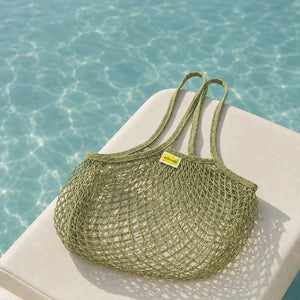
The ECO-Lipak reusable mesh grocery bag is an olive-green cotton string tote with an open net structure and long handles. The listing describes 12-inch handles and a load rating up to 35 pounds. Treat that figure as a product specification, not a reason to load fragile produce or one shoulder to the limit. Start with ordinary groceries and inspect seams and handles before heavier use.
One Pack vs Three Pack
| Option | Listed Price | Approx. Cost per Bag | Best Starting Fit |
|---|---|---|---|
| 1 pack | $13.99 | $13.99 | Trial, backup tote, light solo shopping |
| 3 pack | $28.99 | $9.66 | Weekly rotation, multi-stop trips, household sharing |
Prices were visible on September 20, 2026 and can change. Three singles would cost $41.97 at the same list price, so the three-pack saves $12.98 before shipping and tax. That is approximately 31% less per bag. The saving is meaningful only if the second and third bags are actually used.

What Fits Well in Open Mesh
Mesh works best with items larger than the openings: apples, citrus, onions, bread, boxed goods, folded clothing, towels, or beach gear. It is less suitable for loose berries, small hardware, pens, receipts, or packages with sharp corners that can catch the weave. Put small items in a closed pouch before placing them inside.
| Item Type | Mesh Bag Fit | Practical Note |
|---|---|---|
| Whole produce | Good | Place heavier items at the bottom and protect soft fruit |
| Bread and bakery items | Good with care | Keep away from wet produce and crushing loads |
| Small loose items | Poor | Use a closed pouch so items cannot slip through |
| Raw meat or seafood | Separate first | Use sealed secondary packaging and a dedicated washable bag |
| Beach or picnic gear | Good | Shake out debris and dry the bag before storage |
Because the weave expands, the bag can look small when empty and much larger when filled. That flexibility is useful, but it can hide how heavy the load has become. Carry weight evenly, avoid dragging the mesh over rough surfaces, and inspect the handle attachment after demanding trips.
Three Real Buying Scenarios
1. A solo shopper making two small trips a week
One bag may be enough for produce, bread, and a few pantry items. The shopper keeps it folded inside a backpack after every clean, dry cycle. Buying three immediately would lower the unit price but add no value if two remain in a closet. A one-pack trial confirms whether the shoulder strap length and open weave suit the normal route.
2. A household splitting a weekly grocery run
Three bags let the household separate sturdy produce, pantry goods, and non-food items. Each bag has a designated storage hook near the door, so the system is visible before leaving. A small washable pouch carries loose items. Raw meat stays in sealed secondary packaging and is kept away from ready-to-eat food.
3. A farmers market shopper plus weekend outings
One bag remains with market supplies, one stays in the car for unplanned errands, and one is available for beach towels or picnic gear. The buyer avoids using the same unwashed bag for sandy equipment and fresh produce. The three-pack creates a rotation rather than simply increasing storage.

Create a Reuse Routine That Actually Works
- Choose one storage point by the exit: hook, basket, car compartment, or backpack.
- Assign bags to produce, general groceries, and non-food errands if buying three.
- Keep a closed pouch inside for small items that could escape the mesh.
- Inspect handles and netting before a heavy trip.
- Wash when soiled and after carrying leaking food packages.
- Dry fully before folding to prevent damp storage odors.
- Return the clean bag to its departure point immediately.
FoodSafety.gov advises separating raw meat and poultry from ready-to-eat items and washing reusable bags frequently. Follow the product care label for water temperature and drying method. Do not apply surface disinfectants directly to groceries.
The U.S. EPA recommends bringing a reusable or fabric bag for groceries and produce. The environmental benefit is driven by repeated use and avoided single-use bags, so a durable routine matters more than buying extra bags without a plan.
Estimate Whether Three Bags Will Be Used
Track the next four shopping weeks before ordering. Record how many bags would have been useful on each trip and why. If most trips need only one bag and there is no washing conflict, buy one. If at least two bags would be used repeatedly or household members shop independently, the three-pack is easier to justify.
| Four-Week Pattern | Likely Choice | Reason |
|---|---|---|
| One compact trip each week | 1 pack | Tests fit without unused inventory |
| Produce plus pantry split on most trips | 3 pack | Two active bags plus cleaning reserve |
| Two shoppers using different cars | 3 pack | Places bags where trips begin |
| Occasional beach and market use | 1 or 3 | Depends on whether food and gear need separation |
Storage and Care Checklist
- Keep the bag dry and away from sharp hooks or rough surfaces.
- Do not store damp produce inside the bag between trips.
- Follow the sewn-in or product care instructions when washing.
- Separate raw animal products from produce and ready-to-eat foods.
- Inspect stretched openings, seams, and handles before heavy use.
- Fold and return the bag to the same departure point after drying.
Other low-waste daily items are available in the ECO-Lipak lifestyle collection. Add products because they solve a repeated need, not simply because they carry an environmental label.
Frequently Asked Questions
Is the three-pack cheaper per bag?
Yes. At September 20, 2026 prices, one bag is $13.99 and the three-pack is about $9.66 per bag, before shipping and tax.
Can a cotton mesh bag hold heavy groceries?
The listing states a capacity up to 35 pounds, but load gradually, distribute weight, and inspect handles and seams before heavier trips.
Can small produce go directly in the mesh?
Only when each item is larger than the openings. Use a closed pouch for berries, small produce, receipts, or other loose items.
How often should reusable grocery bags be washed?
Wash them when soiled and after leaks or contact with raw-food packaging. Follow the product care instructions and dry completely before storage.
Does buying a reusable bag automatically reduce waste?
No. The bag needs to replace repeated single-use bags. Keeping it accessible and returning it after cleaning are what make reuse happen.