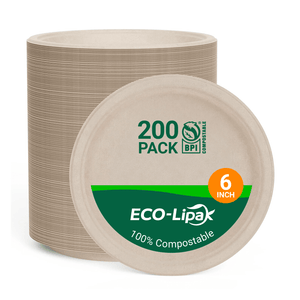
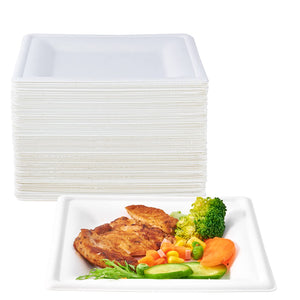
Many weight loss plans leave you feeling hungry and unsatisfied. You can achieve healthy weight loss with a powerful team: protein and fiber. This combination of protein and fiber helps you feel full. Imagine meals with delicious protein and satisfying fiber, like a tasty protein and fiber salad on beautiful palm leaf plates. This protein and fiber duo changes your entire weight loss journey.
What if you could reach your goals without constantly battling hunger?
Key Takeaways
-
Protein and fiber help you feel full. This stops you from eating too much food.
-
Protein makes your body burn more calories. It also tells your brain you are full.
-
Fiber slows down digestion. It fills your stomach and helps you eat less.
-
Eat protein and fiber at every meal. This helps control hunger all day.
-
Meal prepping with protein and fiber makes healthy eating easy. It helps you reach your weight loss goals.
Why Protein and Fiber Fuel Weight Loss
Understanding how protein and fiber work helps you use them for effective weight loss. These two nutrients change how your body processes food. They work together to keep you full, boost your metabolism, and control your appetite. Let's explore the science behind this powerful duo.
How Protein Curbs Appetite
Protein is a superstar for satiety. When you eat a high-protein meal, your body releases hormones that tell your brain you are full. It increases satiety hormones like PYY and GLP-1. At the same time, protein reduces your hunger hormone, ghrelin. This hormonal shift helps you feel satisfied for longer. Protein also has a high thermic effect. This means your body uses more energy—about 20-30% of the protein's calories—just to digest it. This metabolic boost from protein contributes to your daily calorie burn.
The Role of Fiber in Satiety
Fiber is your secret weapon for feeling full without adding many calories. There are two types of fiber, and both help with satiety.
-
Soluble fiber dissolves in water. It forms a gel-like substance in your stomach. This gel slows down digestion, giving you a steady release of energy and prolonging feelings of fullness.
-
Insoluble fiber does not dissolve. It adds physical bulk to your meals. This bulk fills your stomach, signaling to your brain that you have eaten enough. This type of fiber helps you feel satisfied with smaller portions.
The Powerful Synergistic Effect
Combining protein and fiber creates an even greater effect. This combination is a proven strategy for successful weight loss. Studies show that people on a high-protein, high-fiber diet lose more weight and body fat than those on other diets. This powerful pairing also helps manage your blood sugar. The protein and fiber slow down the absorption of sugar into your bloodstream. This prevents energy spikes and crashes, which often lead to cravings for unhealthy snacks. A high-protein, high-fiber meal provides lasting energy and superior satiety.
Your High-Protein, High-Fiber Food List
Stocking your kitchen with the right foods makes your weight loss journey easier. You can build satisfying meals when you have a go-to list of high-protein and high-fiber options. Let's explore some of the best choices you can add to your grocery cart.
How much protein do you need? For weight loss, you should aim for 1.6 to 2.2 grams of protein per kilogram of your body weight. This helps you feel full and preserve muscle. For a 175-pound person, this is about 80-95 grams of protein daily.
Top Protein-Packed Foods
You have many excellent sources of protein to choose from. Both animal and plant-based options provide the high-quality protein your body needs.
-
Lean Animal Proteins: Poultry like chicken and turkey are fantastic choices. They offer complete protein to help you feel full. Skinless chicken breast and turkey breast are especially lean. A single ounce of chicken breast contains about 9 grams of protein.
|
Meat Type |
Cut |
Protein per 1 oz (28 grams) |
|---|---|---|
|
Chicken |
Breast |
9 grams |
|
Turkey |
Breast |
8 grams |
|
Chicken/Turkey |
Wing |
9 grams |
|
Chicken/Turkey |
Leg (Drumstick) |
8 grams |
-
Plant-Based Proteins: You can get plenty of protein from plants. Foods like tofu, tempeh, and lentils are powerful plant-based sources. Many grains also offer a good amount of protein.
The Best High-Fiber Choices
Fiber is essential for satiety and digestive health. You can find it in many delicious plant foods. Adding more high-fiber foods to your diet is a simple, effective strategy.
How much fiber is enough? Studies show that a daily fiber intake of around 21 grams is effective for people focusing on weight loss.
-
Fruits and Vegetables: Many fruits and vegetables are packed with fiber. Avocados, artichokes, and Brussels sprouts are top contenders. Even common choices like apples and carrots provide a good dose of fiber.
-
Whole Grains: Grains like oats and barley are rich in a special soluble fiber called beta-glucan. This type of fiber is great for heart health and keeping you full.
Foods That Offer Both
Some foods are superstars because they deliver both high-protein and high-fiber content. These nutritional powerhouses simplify meal planning.
-
Legumes: Beans, lentils, and chickpeas are some of the best dual-purpose foods. A cup of cooked lentils gives you nearly 18 grams of protein and 16 grams of fiber. Black beans and chickpeas are also excellent high-protein, high-fiber options.
-
Seeds: Chia seeds and flax seeds are small but mighty. They provide a balanced mix of protein, healthy fats, and lots of fiber.
|
Nutrient |
Flax seeds (1 oz/28g) |
Chia seeds (1 oz/28g) |
|---|---|---|
|
Fiber |
8 grams |
10 grams |
|
Protein |
5 grams |
5 grams |
-
Whole Grains: Grains like quinoa and brown rice also offer a good combination of protein and fiber, making them a smart base for any meal.
Building Your High-Protein, High-Fiber Plate
Knowing which foods to eat is the first step. Now, you can learn how to combine them into delicious, satisfying meals. A good meal plan makes weight loss feel less like a diet and more like a lifestyle. Let's build your plate for breakfast, lunch, dinner, and snacks.
A Better Breakfast Formula
Your first meal sets the tone for the entire day. A high-protein breakfast can dramatically change your eating habits. Studies show that eating at least 20 grams of protein for breakfast can help you eat up to 441 fewer calories throughout the day. This happens because protein makes you feel fuller. It reduces your hunger hormone, ghrelin, by 20%. It also boosts your fullness hormone, PYY, by an incredible 250%. This powerful start helps you avoid cravings later.
You can easily create a breakfast with enough protein and fiber. Here are some simple, delicious ideas.
|
Recipe Name |
Protein (g) |
Fiber (g) |
|---|---|---|
|
Apple Pie Baked Oats (with an egg) |
30 |
6 |
|
Amped-up Overnight Oats |
32 |
12 |
|
Spinach & Fried Egg Grain Bowls |
20+ |
8+ |
|
Peanut-Ginger Tofu Scramble |
20+ |
5+ |
Breakfast Tip: Prepare overnight oats or chia pudding the night before. This gives you a quick, high-protein, high-fiber meal ready to go in the morning.
Crafting a Filling Lunch
Lunch is your midday refuel. A balanced lunch prevents the afternoon energy slump and keeps you full until dinner. Focus on combining a lean protein source with plenty of high-fiber vegetables and a whole grain. This strategy helps you build a satisfying meal without excess calories.
You can try many creative and tasty lunch options.
-
Chickpea Salad Sandwich: Mash chickpeas with a little Greek yogurt or avocado. This makes a great vegan alternative to tuna salad and is packed with fiber.
-
Grain Bowls: Build a bowl with a base of quinoa or farro. Add a protein like grilled chicken or halloumi cheese. Top it with high-fiber veggies like kale, beets, or broccoli.
-
Hearty Salads: A Superfood Lentil Salad or a Black-Eyed Pea Salad provides both protein and fiber. Adding avocado boosts the fiber content even more.
-
Flavorful Soups: A Turkey-Pumpkin Chili or a Creamy Miso White Bean Soup is a warm and filling choice. The beans and vegetables offer substantial fiber.
Designing a Smarter Dinner
Your dinner should leave you satisfied, not searching for snacks an hour later. The key is to design your plate with a smart mix of protein, fiber, and healthy fats. This combination ensures lasting satisfaction. Prioritize lean proteins, whole grains, and fresh, fibrous vegetables to effectively curb nighttime snacking.
Healthy cooking methods preserve the nutrients in your food.
-
Roasting and Baking are excellent for meats and vegetables. This method causes minimal nutrient loss. Roasting vegetables with a little olive oil can even increase your body's absorption of certain vitamins.
-
Sautéing and Stir-Frying are quick and preserve nutrients. Cooking tomatoes in olive oil, for example, helps your body absorb 80% more of the antioxidant lycopene.
-
Grilling and Broiling are great for lean protein. These methods allow fat to drip away. Broiling retains more juices and nutrients than grilling.
Here are some examples of a balanced dinner plate under 500 calories:
-
Baked Cod with Roasted Root Vegetables: A 7 oz cod fillet with 1 cup of roasted carrots and ½ cup of roasted sweet potato.
-
Beef and Broccoli: 4 oz of sirloin steak with 3 cups of broccoli florets and ½ cup of cooked brown rice.
-
One-Pan Halloumi and Harissa Vegetables: 2 oz of halloumi cheese with ½ cup of chickpeas and a pan full of peppers and zucchini.
Smart Snacking to Crush Cravings
Snacks can be a helpful part of your meal plan. The right snack quiets hunger and provides steady energy. Choose snacks that contain both protein and fiber. This combination is much more effective than high-fat or high-sugar options. For example, a high-protein yogurt snack can reduce afternoon hunger and help you eat about 100 fewer calories at dinner.
Here are some smart snack ideas under 200 calories.
|
Snack Option |
Calories |
Protein |
Fiber |
|---|---|---|---|
|
6 oz Plain Greek Yogurt With Strawberries |
~198 |
25.2g |
3.3g |
|
Crispy Chickpea Trail Mix |
187 |
6g |
4.7g |
|
Quest Blueberry Muffin Protein Bar |
180 |
20g |
13g |
Choosing a snack with protein and fiber helps you feel full quickly. This strategic approach to snacking supports your weight loss goals by keeping hunger under control all day long.
Meal Prep with Ecolipak for Success
You have the food lists and the meal-building formulas. Now, you can set yourself up for success with meal prepping. A consistent meal plan is a powerful tool for weight loss. Planning your meals helps you stick to nutritional guidelines and eat a wider variety of healthy foods. This preparation makes healthy eating your default choice, not a daily struggle.
The Meal Prep Advantage
A weekly meal plan removes the guesswork from your diet. When you know what you are eating, you are less likely to make impulsive, unhealthy choices. Studies show that people who plan their meals have greater weight loss success. Consistent planning is the key. It helps you build healthy habits that last. The right tools make this process even easier.
Pro Tip: The right container is essential for a successful meal plan. It keeps your food fresh and your portions controlled.
Tips for Combining Protein and Fiber
Proper storage keeps your prepped meals delicious and safe. You should refrigerate your food within two hours of cooking. The perfect container can make all the difference. The Ecolipak 8 inch Compostable Sugarcane 3 Compartment To Go Boxes are ideal for this. The three compartments let you perfectly portion your meals. You can keep your high-protein main, your high-fiber grains, and your high-fiber vegetables separate. This prevents them from getting soggy and keeps every bite fresh. This makes combining protein and fiber for every meal simple and organized.
Sample Meal Prep Combinations
These containers make building a balanced plate effortless. You can easily create delicious, high-protein meals that are rich in fiber. When you are ready to eat, the microwave-safe design makes reheating simple. Plus, you support a healthy planet with an eco-friendly choice. Here are a few ideas for your three compartments:
-
Compartment 1 (Protein): Grilled Chicken Breast
-
Compartment 2 (Fiber/Carb): Quinoa
-
Compartment 3 (Fiber/Veggies): Roasted Broccoli
-
Compartment 1 (Protein): Baked Salmon
-
Compartment 2 (Fiber/Carb): Brown Rice
-
Compartment 3 (Fiber/Veggies): Steamed Asparagus
-
Compartment 1 (Protein): Black Beans
-
Compartment 2 (Fiber/Carb): Sweet Potato Cubes
-
Compartment 3 (Fiber/Veggies): Sautéed Bell Peppers
Each combination provides the protein and fiber you need to stay full and energized.
Your journey to sustainable weight loss is achievable. Remember, combining protein and fiber is a powerful strategy, not a restrictive diet. This approach boosts satiety, manages hunger, and helps you control calorie intake. A diet high in protein and fiber offers lasting benefits for your health and weight loss goals.
-
Protein reduces hunger, boosts metabolism, and aids weight loss. This protein helps you feel full.
-
Fiber improves digestion, promotes satiety, and supports a healthy weight. This fiber enhances satiety.
You can start today. Try prepping just one meal with protein and fiber in an eco-friendly Ecolipak container. This small step can make a big difference.
FAQ
Can I get enough protein and fiber on a vegan diet?
Yes. You can get plenty of protein and fiber from plants. Foods like lentils, beans, and quinoa offer excellent protein. Vegetables and whole grains provide abundant fiber. Combining these foods helps you meet your daily protein and fiber needs.
Will eating too much protein harm my kidneys?
For most healthy people, a high-protein diet is safe. Your body can handle the extra protein. If you have existing kidney issues, you should talk to a doctor. Otherwise, this level of protein intake supports your goals without risk.
How quickly will I see weight loss results?
Your weight loss journey is unique. You may feel increased satiety and energy within the first week. Consistent intake of protein and fiber leads to gradual, sustainable weight loss over several weeks. Patience is key for lasting results.
What is the best time to eat protein and fiber?
This weight loss guide suggests spreading your protein and fiber intake throughout the day. Eating protein and fiber at each meal helps manage hunger. A breakfast with protein and fiber is especially effective for controlling cravings later.