You might be surprised to learn what is on your disposable tableware. Many plates use PFAS coatings to repel grease and water. Scientists call PFAS "forever chemicals." These chemicals do not break down easily in nature. Studies raise concerns about PFAS and your long-term health.
Choosing safe options is vital for your family's health. You can find chemical-free and non-toxic products. This guide helps you select safe, fluorine-free tableware like palm leaf plates. Explore how to make a truly chemical-free choice.
Key Takeaways
Many disposable plates have PFAS chemicals. Scientists call them "forever chemicals." They do not break down easily.
PFAS chemicals can move from plates to your food. This can harm your liver, immune system, and may cause other health problems.
You can choose safe plates without PFAS. Look for labels like "PFAS-Free" or "Fluorine-Free." Also, check for third-party certifications.
Good choices for safe plates include glass, stainless steel, bamboo, palm leaf, and sugarcane bagasse. These materials are natural and do not have harmful chemicals.
PFAS chemicals also harm the environment. They pollute soil and water. They hurt wildlife and can contaminate compost.
The Hidden Chemicals on Your Plates
What Are PFAS Chemicals?
You may have heard about PFAS, but what are they? PFAS stands for per- and polyfluoroalkyl substances. They are a large group of human-made chemicals. Scientists created them to resist heat, grease, and water.
PFAS are often called "forever chemicals." This is because they have an incredibly strong carbon-fluorine bond. This bond makes them very hard to break down. They can persist in the environment and in your body for a very long time, raising concerns for long-term health.
These chemicals do not break down easily. This persistence means PFAS can build up over time.
Where PFAS Lurk in Tableware
You can find PFAS in many common household items. Their grease-fighting ability makes them useful for food packaging and tableware. PFAS coatings are often applied to products to prevent leaks and stains. Common items that may contain PFAS include:
Traditional disposable plates and bowls
Take-away food containers
Molded fiber products, including some bagasse items
These chemicals help keep your food from soaking through the plate. However, this convenience comes with a hidden risk.
PFAS Exposure and Your Health
Your health is important. Studies suggest that exposure to some PFAS may lead to harmful health outcomes. When you eat hot, fatty, or acidic foods from containers with PFAS, these chemicals can move from the plate into your meal. This is a primary way you might be exposed.
Research has raised concerns about the long-term effects of PFAS exposure. The U.S. Environmental Protection Agency (EPA) notes that health effects can happen at very low levels. Studies in animals have linked high levels of PFAS to:
Damage to the liver and immune system
Birth defects and developmental delays
Increased risk of certain cancers
These health concerns are causing many people to look for safer, fluorine-free options for their families.
Choosing Safe, Fluorine-Free Tableware
Making informed choices about your tableware is a powerful step toward protecting your family's health. You can find many safe, fluorine-free tableware options. This guide will help you understand labels and select the best non-toxic materials for your home.
Decoding 'Chemical-Free' Labels
You often see terms like "chemical-free" or "non-toxic" on packaging. These labels can be confusing. The term "non-toxic" suggests a product lacks harmful chemicals that could affect your health. However, these claims are not always strictly regulated. You need to look deeper to ensure product safety.
Several standards help regulate food-contact materials.
FDA (Food and Drug Administration): The FDA sets limits on harmful substances, like lead, that can leach from dinnerware.
California's Proposition 65: This law requires businesses to provide warnings on products containing chemicals known to cause cancer or reproductive harm.
REACH Regulation: The European Union has this strict regulation that restricts many harmful substances in consumer products.
Tip: The best way to confirm a product is truly free of harmful chemicals like PFAS is to look for third-party certifications. These independent programs test products to verify their claims.
One of the most reliable certifications for compostable food packaging is the GreenScreen Certified Standard. It is the first independent program to screen for chemicals in disposable foodware. Even at its most basic level, this certification prohibits all PFAS and thousands of other chemicals of concern. Products must pass tests for fluorine, which confirms they have no added PFAS. Choosing certified products gives you confidence in their safety.
Guide to Non-Toxic Materials
You have many excellent non-toxic cookware alternatives for your kitchen. These safe cooking materials provide peace of mind and performance.
Glass is a classic choice for its chemical stability. It is non-porous and will not react with your food. You can choose between two main types.
Evaluation Criteria |
Ordinary Glass |
Opal Glass |
|---|---|---|
Aesthetic |
Transparent and clear |
Soft, opaque white |
Durability |
Prone to chipping and shattering |
Excellent chip resistance |
Hygiene |
Can scratch, hiding bacteria |
Better scratch resistance |
Cost |
Budget-friendly upfront |
Higher initial cost |
Stainless steel is another durable and safe option. High-quality stainless steel does not react with acidic foods. Its non-porous surface is easy to clean and very hygienic. Nickel content gives it a lasting shine and enhances its sturdiness, making it a reliable choice for daily use.
For disposable options, you can find great toxin-free products made from natural materials. These choices offer convenience without the health risks of PFAS.
Bamboo: Plates and utensils made from bamboo are strong, lightweight, and biodegradable. Many people love the natural look of bamboo products.
Palm Leaf: Like bamboo, palm leaf plates are sturdy and biodegradable. They are made from fallen leaves, making them an eco-friendly choice.
Sugarcane Bagasse: This material is an upcycled byproduct of sugar production. It is used to create strong, biodegradable plates and take away containers that have no added PFAS.
These materials prove you do not need to sacrifice quality for safety. You can find PFAS-free cookware and tableware that is both beautiful and functional.
Ecolipak: A Trusted Solution
When you need a trustworthy brand for safe dining, you can turn to Ecolipak. Ecolipak is a US-based brand dedicated to providing sustainable, non-toxic, and chemical-free dining solutions. The company focuses on creating high-quality, eco-friendly products for your family.
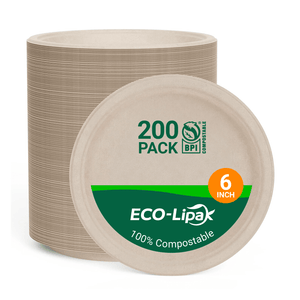
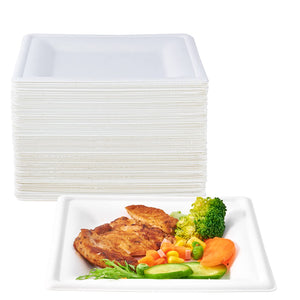
A prime example of their commitment is the Compostable Sugarcane Plates. These plates are made from natural sugarcane bagasse, a renewable resource. This material is inherently free from harmful chemicals, meaning the plates have no added PFAS. Ecolipak designs its products to be sturdy and leak-proof using the natural strength of sugarcane fibers. You can confidently serve hot or saucy meals without worrying about bending or leaks. This makes them a fantastic choice for PFAS-free cookware.
Many users praise Ecolipak products for their impressive quality. People find the tableware to be sturdy, reliable, and aesthetically pleasing. This feedback shows that choosing eco-friendly and toxin-free options does not mean you have to compromise on performance. You can enjoy the convenience of disposable tableware while ensuring the safety of your food. Ecolipak helps you make a choice that is good for you and the planet. For your next gathering, remember their simple message.
Green Pack, Go for ECOLipak.
The Broader Impact of PFAS
The chemicals on your plates affect more than just your health; they have a significant impact on the planet. Understanding this broader impact helps you see why choosing fluorine-free options matters so much.
Environmental Pollution from Tableware
Each year, you and others contribute to millions of tons of waste. In 2018 alone, Americans sent nearly 2 million tons of paper and plastic plates and cups to landfills. When disposable packaging contains PFAS, these "forever chemicals" do not stay in the landfill. They seep into the soil and water, causing widespread pollution.
This contamination harms the environment and its inhabitants. Wildlife is especially vulnerable to PFAS exposure. Scientists have observed serious health problems in various animals:
American alligators suffer from infected wounds due to weakened immune systems.
Endangered polar bears show hormonal changes that hurt their ability to reproduce.
Sea turtles pass the chemicals to their eggs, leading to fewer hatchlings.
Southern sea otters face a higher risk of infectious diseases.
These chemicals build up in animals, causing damage to their immune, nervous, and reproductive systems. The pollution from everyday products creates a serious threat to ecosystems around the world.
The Problem with 'Compostable' PFAS Products
You might choose products labeled "compostable" to help the environment. However, some of these items contain added PFAS for grease resistance. This creates a major problem. These forever chemicals do not break down in compost facilities. Instead, the PFAS contaminate the finished compost.
When you use this tainted compost in a garden, the chemicals can transfer to the soil, water, and even the food you grow. This is why many composting facilities now refuse to accept food packaging that contains PFAS. Industry groups like the US Composting Council are pushing for bans on intentionally added PFAS in packaging. A truly biodegradable product should break down into safe, natural elements. Products with these chemicals fail this basic test, offering no true environmental benefits. Choosing certified PFAS-free and biodegradable options ensures your efforts to help the planet are not causing unintended harm.
Common tableware can hide PFAS chemicals, posing risks to your health and the planet. You have the power to protect your family by making informed choices. Choosing verified fluorine-free tableware from trusted, eco-friendly brands like Ecolipak ensures your dining experience is both safe and sustainable. Opting for non-toxic, chemical-free products supports your long-term health. A simple switch to eco-friendly, chemical-free options makes a big difference for your health and the environment.
For your next gathering, choose health and sustainability. Opt for certified compostable and fluorine-free tableware to protect your family and the planet.
FAQ
What are PFAS chemicals in cookware?
PFAS are man-made chemicals used to make surfaces resist grease and water. Some non-stick cookware uses these coatings. They are called "forever chemicals" because they do not break down easily in the environment or your body, raising health concerns.
How do I go about identifying pfas-free cookware?
You should look for clear labels stating "PFAS-Free" or "Fluorine-Free." Also, check for third-party certifications that test for these chemicals. Choosing materials like glass, stainless steel, or cast iron is another great way to avoid PFAS in your kitchenware.
Are materials like stainless steel and cast iron safe?
Yes, they are excellent choices. High-quality stainless steel and well-seasoned cast iron are durable and do not contain PFAS. These materials offer a safe and reliable cooking experience. Many people also trust solid ceramic cookware for its non-toxic properties.
Why should I avoid chemical-coated cookware?
You should avoid chemical-coated cookware because the coatings can break down over time. This process may release harmful chemicals into your food. Long-term exposure to these substances is linked to potential health risks, making safer alternatives a better choice for your family.