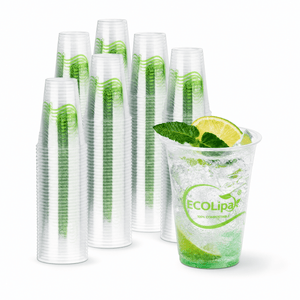
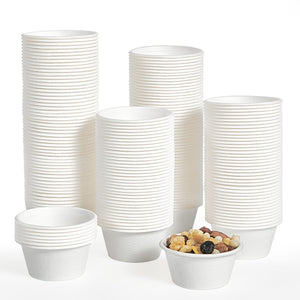
Quick Answer: Clear compostable cold cups are a better fit for iced drink programs when the drink needs visibility, the service is fast, and the disposal path is planned before the first cup is served. For smoothie bars, iced coffee counters, lemonade stands, and summer events, choose the cup size by drink type, pair it with the right lid or sample cup, and make sorting instructions visible near pickup.
Key Takeaways
- Use 9 oz clear cold cups for small juices or samples, 12 oz for standard iced drinks, and 16 oz for smoothies or larger cold brew orders.
- Pair cold cups with lids only after checking rim fit; a compostable cup with the wrong lid still creates leaks and customer complaints.
- Use 1-2 oz sugarcane souffle cups for toppings, sauces, tasting samples, or garnish prep instead of oversized containers.
- Keep compostable claims specific because local composting acceptance can vary by facility and product type.
- For busy beverage stations, place cups, lids, garnish cups, napkins, and sorting bins in one visible workflow.
Why Clear Cold Cups Are a Summer Service Tool
Cold drinks sell with the eyes first. Iced tea, lemonade, fruit water, cold brew, and smoothies all look better when customers can see color, ice, fruit, and texture. That is why a clear compostable cold cup is not just a container; it is part of the drink presentation.
The operational question is whether the station is built around the cup. If cups sit in one place, lids in another, and garnish cups somewhere behind the counter, service slows down. A good cold drink setup groups clear cups, fitting lids, small sugarcane souffle cups, napkins, and sorting instructions where staff and customers can actually use them.

Cold Cup Size and Use Table
| Use Case | Suggested Cup | Station Note |
|---|---|---|
| Tasting samples | 1-2 oz souffle cups | Use for sauces, toppings, juice samples, or garnish portions. |
| Small juice or kids drink | 9 oz clear cold cup | Best when portion control matters. |
| Iced tea or lemonade | 12 oz clear cold cup | Works for standard event beverage service. |
| Smoothies or cold brew | 16 oz clear cold cup | Use when ice, foam, or blended volume needs more space. |
What to Pair With Cold Cups
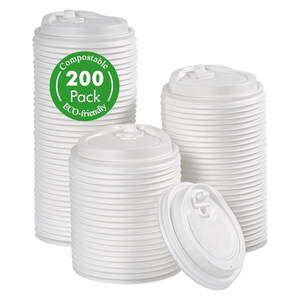
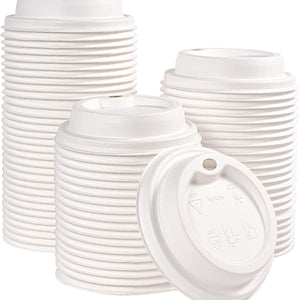
Cold cup service usually needs more than cups. For smaller drink formats or toppings, round sugarcane souffle cups help portion sauces, fruit, or tasting samples. If your setup also serves warm drinks, compare lid fit carefully with products such as an 8 oz fit CPLA cup lid or a universal-fit sugarcane cup lid, but do not assume every lid fits every cup.
For environmental claims, keep the language practical. The FTC Green Guides emphasize that environmental marketing claims should be clear and supportable. The BPI certification program is also useful when buyers need compostability verification, but local composting programs still decide what they accept.

Three Real Service Scenarios
- Smoothie bar: Use 16 oz clear cups for blended drinks and 1-2 oz cups for topping samples or add-on tastings.
- Office iced coffee station: Use one standard clear cup size to reduce restock confusion, then add a visible sorting bin.
- Outdoor lemonade stand: Use 12 oz cups for standard service, keep napkins near pickup, and avoid overfilling when ice melts quickly.
FAQ
Are clear compostable cold cups the same as regular plastic cups?
No, clear compostable cold cups are designed as an alternative material choice, but they still need the right disposal path and facility acceptance.
Can I use hot drink lids on cold cups?
Only if the lid is designed to fit that cup rim. Always check diameter and product fit before buying lids in bulk.
What size cold cup should I use for smoothies?
Use 16 oz for most smoothies. Blended drinks need room for foam, fruit, and a comfortable fill line.
Can compostable cold cups go in backyard compost?
Usually you should not assume that. The EPA explains composting as a managed process, and many packaging items depend on commercial composting conditions.
How do I avoid overbuying cup sizes?
Start with two sizes, not four. Use one standard size for most drinks and one smaller size for samples or kids portions.