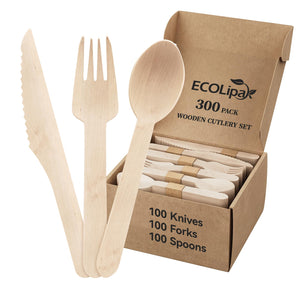
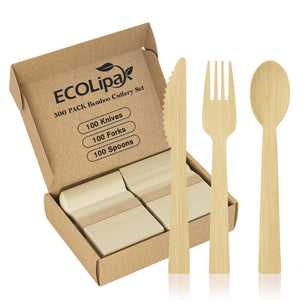
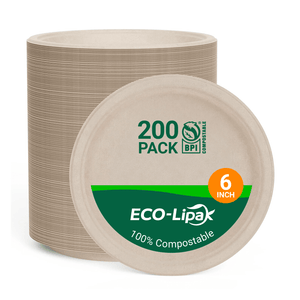
Making homemade nut butters is simple, tasty, and lets you control every ingredient. You get to skip extra sugars, unhealthy fats, and preservatives. Homemade nut butter tastes fresher and packs in more nutrients. You help the planet, too! Choosing peanuts or sunflowers uses less water and supports soil health. You avoid plastic packaging by making your own and serving with compostable wooden cutlery. Ecolipak makes green living easy and fun for everyone.
Key Takeaways
-
Making homemade nut butters is easy and allows you to control ingredients, avoiding unhealthy additives.
-
Choose nuts and seeds that support your health and the environment, like sunflower and pumpkin seeds, which require less water and fertilizer.
-
Use simple tools like a food processor and glass jars to create delicious nut butters while reducing plastic waste.
-
Experiment with flavors by mixing different nuts and seeds, or adding sweet and savory ingredients to customize your spreads.
-
Store your nut butters properly in glass jars to keep them fresh and extend their shelf life, while also minimizing environmental impact.
Homemade Nut Butters Essentials
Choosing Nuts and Seeds
You get to pick your favorite nuts and seeds for homemade nut butters. Almonds and cashews are super popular because they taste great and work in lots of recipes. Peanut butter is still the top choice in North America, but you see more almond, cashew, hazelnut, and walnut butters everywhere. People love these options because they fit plant-based diets and healthy lifestyles.
Seeds like sunflower, pumpkin, chia, flax, and hemp are also trending. Sunflower seeds are a smart pick. They need little fertilizer, no irrigation, and few pesticides. They help local insects and keep the soil healthy. When you choose nuts and seeds, look for bulk options at your local store. You save money and skip plastic packaging. You support the planet and your wallet.
Tip: Try mixing nuts and seeds for a unique flavor. You can blend almonds with sunflower seeds or cashews with pumpkin seeds. This gives you a creamy texture and boosts nutrition.
Tools for Homemade Nut Butter
You don’t need fancy equipment to make nut butters at home. Grab a mid-range food processor with a 7 to 11 cup capacity. Brands like Cuisinart and Hamilton Beach work well and cost less than $80. You also need a sturdy spatula and a glass jar for storage.
Here’s a quick list of essentials:
-
Nuts (almonds, peanuts, cashews, walnuts)
-
Seeds (sunflower, pumpkin, chia, flax, hemp)
-
Pinch of salt (optional)
-
Sweeteners like honey or maple syrup (optional)
-
Oil for creaminess (almond or coconut oil)
Eco-friendly kitchenware makes a big difference. Use bamboo utensils, glass jars, or beeswax wraps. These materials are biodegradable and help cut down on plastic waste. Ecolipak’s compostable sugarcane trays and splinter-free wooden cutlery are perfect for prepping and serving your nut butters. You keep your kitchen green and your meals safe.
|
Material |
Environmental Benefit |
|---|---|
|
Bamboo |
Biodegradable, no pesticides, low water needs |
|
Glass |
Reusable, recyclable, reduces plastic waste |
|
Beeswax |
Natural, compostable, cuts plastic wraps |
You help the planet by reducing food waste, composting, and using eco-friendly materials.
Simple Nut Butters Recipe
You can make a perfect homemade nut butter in about 25 minutes. Here’s a basic recipe:
-
Choose 2 cups of your favorite nuts or seeds.
-
Roast them in the oven at 350°F for 10 minutes. Let them cool.
-
Place them in your food processor. Blend for 2-3 minutes.
-
Scrape down the sides. Keep blending until creamy.
-
Add a pinch of salt, a spoonful of honey or maple syrup, and a splash of oil if you want it smoother.
-
Blend again for 1-2 minutes.
-
Scoop your homemade nut butter into a glass jar or Ecolipak compostable tray.
Making homemade nut butter costs less than buying store-bought spreads. You avoid additives and preservatives. You control every ingredient. You skip plastic jars and packaging, which helps the environment.
Note: Homemade nut butters taste fresher and let you experiment with flavors. You can make small batches and try new combinations every week.
You support a sustainable lifestyle when you use Ecolipak’s compostable trays and wooden cutlery. You serve your nut butters in eco-friendly ways and keep plastic out of your kitchen.
Step-by-Step Homemade Nut Butter Guide
Prepping and Roasting
You want your nut butters to taste amazing and stay nutritious. Start with fresh nuts or seeds. If you want to boost nutrition, soak your nuts or seeds overnight in a brine made from sea salt and filtered water. This step helps your body absorb more minerals by neutralizing phytic acid. After soaking, drain and dry them.
Roasting brings out the best flavor. Preheat your oven to 350°F. Spread your nuts or seeds in a single layer on an Ecolipak Compostable Sugarcane Food Tray Potluck Plate. You can melt a little coconut oil or butter and toss your cashews or almonds before roasting. Place the tray in the oven for 10 to 15 minutes. Stir once or twice with a wooden spoon for even roasting. If you want a gentler roast, set your oven to 250°F. This lower temperature helps prevent burning and keeps the flavor rich and deep.
Tip: Roasting at home means you skip the extra oils and salt found in store-bought nuts. You keep the healthy fats, fiber, and minerals. You also avoid plastic packaging by buying in bulk and using your own containers.
Blending to Creamy Texture
Now you get to blend. Pour your roasted nuts or seeds into your food processor while they are still warm. Warm nuts blend easier and give you a creamier texture. Fill the bowl up to the recommended line so the blades have enough resistance. Use a sturdy wooden spoon to push down the sides as you blend. This keeps everything moving and avoids plastic touching your food.
Blend for two minutes straight. Let the machine rest for five to ten minutes so it does not overheat. Blend again until you see a smooth, creamy butter. If you want, add a spoonful of coconut oil to help the mixture come together. Homemade nut butters made this way have a rich, natural flavor and a silky texture.
Note: Using a wooden spoon feels good in your hand and keeps your kitchen eco-friendly. You can compost it when it wears out.
Adjusting Flavor and Consistency
You can adjust flavor and texture to match your favorite recipes. If you want a thinner nut butter, add a little more oil or warm water. For a thicker spread, blend a bit longer or add some ground seeds. You can also use gentle heat to change the consistency. Try adding honey, maple syrup, or a pinch of salt for extra flavor.
Here is a quick table to help you adjust flavor and texture:
|
Factor |
How It Helps You Adjust Flavor and Texture |
|---|---|
|
Fresh, high-quality nuts |
Smoother, more consistent nut butters |
|
Oil (coconut, almond) |
Thins out the butter, makes it silkier |
|
Storage conditions |
Keeps texture stable, prevents separation |
|
Stabilizers (optional) |
Stops oil from separating, keeps butter creamy |
Making homemade nut butters lets you control every ingredient. You can create new flavors by mixing different nuts and seeds. You can even make homemade seed butter for a nut-free option. Every batch is unique and fresh.
Callout: When you use Ecolipak Compostable Sugarcane Food Trays Potluck Plates for prep and serving, you keep your kitchen green and cut down on plastic waste. Pair them with splinter-free wooden cutlery for a natural, safe, and sustainable experience.
This guide shows you how to make nut butter at home, from prepping and roasting to blending and adjusting flavor and texture. You get to enjoy freshly made nut butters with less waste and more taste.
Nut Butters and Seed Pastes Variations
Sweet and Savory Add-Ins
You can turn nut butters and seed pastes into exciting spreads with sweet and savory add-ins. People love mixing in new ingredients to create customizable flavors. You might add honey, maple syrup, or cinnamon for a sweet touch. Some folks toss in dried fruit, chocolate chips, or coconut flakes. If you want a savory kick, try garlic, smoked paprika, or chili powder. You can even blend in roasted herbs or sea salt.
-
Honey, maple syrup, and cinnamon
-
Dried fruit, chocolate chips, coconut flakes
-
Garlic, smoked paprika, chili powder
-
Roasted herbs, sea salt
Sweetness balances spiciness and salt, making every bite interesting. You keep your taste buds guessing. The nut butters and seed pastes market keeps growing because people want more flavor contrasts. You get to enjoy spreads that match your mood and meal.
Tip: When you make your own nut butters and jams, you skip plastic jars from the store. You help the planet by using glass jars or compostable trays.
Allergy-Friendly Options
Nut allergies are common, so you see more seed pastes and allergy-friendly nut butters. You can choose sunflower, pumpkin, hemp, flaxseed, soy nut, or tahini butter. These spreads taste great and pack in nutrients. You find them easy to use in recipes and snacks.
|
Alternative Butter |
Calories |
Fat (g) |
Protein (g) |
Fiber (g) |
Iron (mg) |
Magnesium (mg) |
Zinc (mg) |
Other Nutrients |
|---|---|---|---|---|---|---|---|---|
|
Sunflower Seed Butter |
170 |
14 |
6 |
3.6 |
7.4 |
100 |
1.5 |
Vitamin E, Selenium |
|
Pumpkin Seed Butter |
160 |
13 |
10 |
2 |
3.6 |
156 |
2.2 |
Manganese |
|
Hemp Butter |
180-210 |
12-18 |
5-9 |
2 |
1.8-3.4 |
120 |
N/A |
Omega-3, Calcium |
|
Flaxseed Butter |
100 |
6 |
3 |
4 |
1 |
N/A |
N/A |
Omega-3, Lignans |
|
Soy Nut Butter |
170-200 |
11-16 |
7-8 |
2-3 |
N/A |
N/A |
N/A |
N/A |
|
Tahini Butter |
180 |
16 |
3 |
3 |
3 |
138 |
0.5 |
Thiamin, Selenium |
Nut allergies affect up to 4.9% of people. You can pick seed pastes if you want to avoid nuts. These allergy-friendly options let you enjoy spreads without worry.
Custom Mixes and Flavors
You can make nut butters and seed pastes your own with customizable mixes. People love blending nuts and seeds for unique flavor combinations. You might mix pistachios with rosemary garlic or habanero lime. Some folks blend buffalo wing pistachio kernels with ranch corn nuts and honey roasted sesame chips. You can try jalapeno cashews, elote peanuts, or salt and vinegar almonds. Sweet mixes include banana-dusted dark chocolate walnuts and coconut-flaked white chocolate cashews.
|
Flavor Combination |
Description |
|---|---|
|
Organic Pistachios |
Rosemary garlic, habanero lime, maple butter, hot honey |
|
Pistachio Pub Mix |
Buffalo wing pistachio kernels, ranch corn nuts, honey roasted sesame chips, hickory almonds |
|
Pop & Sol Brand |
Jalapeno cashews, elote peanuts, salt and vinegar almonds, salt and pepper cashews |
|
Sweet Line of Pop & Sol |
Banana-dusted dark chocolate walnuts, coconut-flaked white chocolate cashews, raspberry-dusted dark chocolate almonds, strawberry-dusted dark chocolate hazelnuts |
|
Planters Nut Duos |
Buffalo-flavored cashews with ranch-flavored almonds, espresso hazelnut cashews with cocoa almonds |
You get to experiment with customizable flavors and create spreads that fit your taste. Homemade nut butters and seed pastes let you skip plastic packaging and support a sustainable lifestyle. You can use eco-friendly containers and trays for storage and serving.
Storing Homemade Nut Butters
Best Storage Practices
You want your nut butters to stay fresh and tasty. The way you store them makes a big difference. Here are some tips to help you keep your spreads at their best:
-
Store your jars in a cool, dry spot away from heat and sunlight. This helps prevent the oils from going bad.
-
Keep the lid tightly closed. This keeps air and germs out.
-
If you live in a warm place, pop your jar in the fridge. It keeps your nut butter fresh longer, though it might get a little firmer.
-
Try storing your jar upside down. This trick helps keep the oil from separating.
-
Always use clean utensils to scoop out your spread. This stops bacteria from getting in.
Tip: Glass jars work great for storage. They keep your nut butters safe and cut down on plastic waste. You can also use compostable trays for short-term storage or serving, which helps the planet.
Shelf Life and Freshness
How long does your nut butter last? That depends on how you store it. Check out this table for a quick guide:
|
Storage Method |
Effect on Shelf Life |
|---|---|
|
Refrigerate all nut butters |
Extends shelf life; enjoy within 3 months refrigerated |
|
Store natural butters in glass |
Keeps flavor and texture; slows down oxidation |
|
Freeze nut butters |
Lasts up to 6 months |
|
Exposure to air at 4°C |
Speeds up spoilage by over 5 times compared to freezing |
If you keep your nut butter at room temperature, use it within a week. In the fridge, it stays good for 2-3 weeks. For longer storage, the freezer is your friend. Always check the “best by” date if you have one.
Signs of Spoilage
You want to enjoy your nut butters at their best. Watch for these signs that your spread has gone bad:
-
Discoloration or dark spots
-
Mold growing on the surface
-
A strange or sour smell
-
A weird or stale taste
-
Texture changes, like dryness or graininess
If you notice any of these, it’s time to toss the jar. Fresh nut butters smell nutty and taste rich. Making your own at home means you skip plastic packaging and get to enjoy spreads that are always fresh and safe.
Serving and Enjoying Nut Butters
Breakfast and Snacks
Nut butters make breakfast and snack time exciting. You can swirl a spoonful into your oatmeal or overnight oats for a creamy, protein-rich start to your day. Many people love to spread nut butter on whole-grain toast or rice cakes. You can dip apple slices or celery sticks for a quick, satisfying snack. Try rolling up banana slices with almond butter for a sweet treat. If you want something crunchy, mix nut butter into granola or energy bites.
-
Add nut butter to smoothies for extra protein and a smooth texture.
-
Use it in healthy oatmeal cookies that are low in sugar.
-
Make no-bake snacks with nut butter for a filling bite between meals.
Nut butters help curb hunger and keep you full longer. They add flavor and nutrients to every meal. When you use healthier ingredients, you create snacks that taste good and support your well-being.
Tip: Making your own nut butter means you skip plastic jars from the store. You help the planet and enjoy a fresher spread.
|
Use Case |
Benefit |
|---|---|
|
Overnight oats with nut butter |
Adds protein and flavor for a nutritious breakfast |
|
No-bake snacks with nut butter |
Provides healthy fats and protein, enhancing satiety |
|
Gluten-free cookie dough |
Adds bulk and essential nutrients for a complete treat |
|
Nut butter in desserts |
Balances out sugar content with vitamins and minerals |
Cooking and Baking Uses
Nut butters do more than just top toast. You can use them in cooking and baking to add flavor and moisture. Peanut butter works well in sauces for noodles or stir-fries. Almond butter makes a great base for salad dressings. Cashew butter gives soups and curries a creamy finish. You can bake cookies, brownies, and muffins with nut butters for a richer taste.
|
Nut Butter Type |
Key Effects on Recipes |
Adjustments Needed |
|---|---|---|
|
Peanut Butter |
Adds flavor and moisture |
Adjust salt if needed |
|
Almond Butter |
Drier, adds fiber |
Add more liquid for best texture |
|
Cashew Butter |
Creamy, higher fat content |
Use extra dry ingredients to balance |
You get more protein and vitamins in every bite. Nut butters make recipes softer and tastier. You can swap them for butter or oil to make your treats a little healthier.
Eco-Friendly Serving with Ecolipak
Serving nut butters can be a green experience. Ecolipak Compostable Sugarcane Food Trays Potluck Plates and wooden cutlery let you enjoy your spread without plastic waste. These trays come from sugarcane bagasse, a renewable resource. They break down naturally, so you help reduce landfill waste with every meal.
|
Aspect |
Eco-Friendly Solutions |
Traditional Options |
|---|---|---|
|
Sustainability |
Made from renewable, compostable materials |
Often made from non-renewable plastics |
|
User Experience |
Safe, natural, and toxin-free |
May contain harmful chemicals |
When you use a wooden spoon, you feel the smooth, natural surface in your hand. It does not splinter or add any taste. You get the pure flavor of your homemade nut butter or jam. Every bite feels clean and close to nature.
Callout: Choosing eco-friendly serving solutions supports a sustainable lifestyle. You make informed choices and keep plastic out of your kitchen.
You help the planet every time you serve nut butters with Ecolipak trays and cutlery. You enjoy your spread and support a cleaner world.
You can make nut butters at home with simple steps. You get fresh taste and better nutrition. You skip plastic jars and help the planet. Ecolipak trays and wooden cutlery make serving easy and green. Try new recipes and mix flavors. You support a cleaner world every time you choose eco-friendly tools.
Making your own nut butters means less plastic waste and more fun in your kitchen. You lead the way to a sustainable lifestyle.
FAQ
How do I start making nut butter recipes at home?
You begin with basic instructions. Choose your favorite nuts or seeds. Roast them for flavor. Blend until creamy. Store in glass jars or compostable trays. Homemade nut butter recipes help you skip plastic packaging and support a greener lifestyle.
Can I use peanuts for all nut butter recipes?
You can use peanuts for many recipes. Peanuts blend easily and taste great. Try mixing peanuts with other nuts or seeds for new flavors. Homemade peanut spreads let you avoid plastic jars from stores.
What are some easy seed butter recipes?
You can make seed butter recipes with sunflower, pumpkin, or hemp seeds. Roast seeds, blend, and add salt or honey. Store in eco-friendly containers. These recipes help you enjoy allergy-friendly spreads and reduce plastic waste.
How do I customize nut butter recipes for different tastes?
You can add honey, cinnamon, or chocolate for sweet nut butter recipes. Try garlic or chili for savory options. Experiment with recipe variations. Homemade spreads let you create unique flavors and skip plastic packaging.
How long do homemade nut butter recipes last?
You keep nut butter recipes fresh by storing them in glass jars or compostable trays. Refrigerate for up to three months. Watch for signs of spoilage. Homemade recipes help you avoid preservatives and reduce reliance on plastic containers.