Yes—you can add compostable sugarcane plates to a 2026 home kit for Sustainable Survival if you choose sturdy, heat-safe, lightweight plates and store them dry. You should use them if you prepare for hurricanes, power outages, water shortages, or shelter-in-place meals. They serve hot or saucy food well, support clean meal sharing, and cut dishwashing fast. For many families, they offer a more practical emergency option than basic paper, with less plastic waste than disposable plastic plates.
Key Takeaways
-
Choose sturdy sugarcane plates for emergencies. They hold hot, wet, or oily foods well and keep meals clean during outages or storm prep.
-
Use one plate per person to reduce germ spread. This simple step also saves water because you skip dishwashing.
-
Pick sugarcane plates over basic paper when you need strength. They resist leaks better and create less plastic waste than plastic plates.
-
Buy plates with key features first. Look for thickness, leak resistance, microwave safety, freezer safety, and trusted labels like BPI certified and BPA-free.
-
Count plates by people, meals, and days. Store them sealed in a cool, dry place so they stay ready for up to a year.
Sugarcane Plates in Emergency Meals
Clean Meal Service
You want to keep your meals safe and sanitary during emergencies. Sugarcane plates help you do this. Each person gets their own plate, so you avoid sharing dishes and reduce the risk of germs spreading. These plates meet food-contact standards and handle hot or wet foods without breaking down. You do not need to wash them between uses, which is important when water is limited. The chemical-free nature of sugarcane plates means you serve food without worrying about toxins. Americans preparing for hurricanes or power outages often face crowded conditions and limited cleaning supplies. Sugarcane plates support Sustainable Survival by making meal service cleaner and safer.
Tip: Use individual sugarcane plates for each meal to lower person-to-person contamination and keep your family healthy.
|
Sanitation point |
Evidence supporting sugarcane plates in emergency meal service |
|---|---|
|
Reduced person-to-person contamination |
Single-use plates limit cross-contact between users. |
|
Lower pathogen transfer risk |
Disposable plates reduce shared contact surfaces. |
|
No dependence on washing and re-sanitizing |
No need for dishwashing when water is scarce. |
|
Sugarcane plates meet food-contact standards and handle heat and moisture. |
Easy Portion Control
You can easily manage meal portions with sugarcane plates. Each plate gives you a clear serving size, which helps when you need to ration food during emergencies. This is useful for families and groups who must share supplies. You can use different plate sizes for snacks, main meals, or desserts. When you prepare ready-to-eat or reheated foods, sugarcane plates make it simple to divide meals fairly. This supports Sustainable Survival by helping you stretch your supplies and avoid waste.
Less Cleanup Fast
You save time and effort with sugarcane plates. After eating, you simply dispose of the plate. You do not need to wash dishes or worry about water shortages. This is a big advantage during hurricanes, power outages, or shelter-in-place situations. Sugarcane plates stack easily and take up little space in your emergency kit. Their eco-friendly design means you help the planet while keeping cleanup simple. You focus on your family’s needs instead of scrubbing dishes. Sustainable Survival becomes easier when you choose plates that work for both your meals and the environment.
Sustainable Survival vs Plastic and Paper
When you prepare for hurricanes or power outages, you want supplies that work under pressure. Choosing the right plates for your emergency kit can make a big difference. Let’s see how sugarcane plates compare to plastic and paper options for Sustainable Survival.
Better Durability
You need plates that hold up to hot meals, soups, and sauces. Sugarcane plates give you strong performance in these situations. They resist heat and moisture, so you can serve hot or saucy foods without worry. Paper plates often become soggy and lose their shape when wet. Plastic plates handle heat well but may warp with very hot foods and can leach chemicals if exposed to high temperatures.
Here’s a quick look at how each type performs:
|
Plate Type |
Heat Resistance |
Soak Resistance |
Durability |
|---|---|---|---|
|
Sugarcane Plates |
Moderate-High |
Moderate-High |
Moderate |
|
Plastic Plates |
High |
High |
High |
|
Paper Plates |
Low |
Moderate |
Low |
Sugarcane plates also resist oils and keep their shape with hot dishes. You can use them for soups, curries, or reheated meals. Paper plates often fail with these foods. Plastic plates stay strong but do not break down after use, which adds to waste.
Tip: For Sustainable Survival, always choose plates that can handle both hot and cold foods without leaking or breaking.
Smarter Disposal
After an emergency meal, you want cleanup to be fast and eco-friendly. Sugarcane plates shine here. They come from bagasse, a by-product of sugar processing. This means you use a resource that would otherwise go to waste. When you finish your meal, you can compost these plates. They break down quickly and do not leave toxins behind.
Plastic plates take hundreds of years to decompose. They pollute soil and water and can harm wildlife. Some paper plates have plastic coatings, which makes them hard to recycle or compost. Sugarcane plates avoid these problems because they have no chemical coatings and are fully compostable.
-
Sugarcane plates biodegrade quickly and reduce landfill waste.
-
Plastic plates linger in the environment and cause pollution.
-
Paper plates with coatings add to disposal problems.
In large-scale emergencies, relief groups often choose sugarcane plates. These plates help manage waste better because you can compost them instead of sending more trash to landfills. This supports Sustainable Survival by lowering your environmental impact during disaster response.
Compact Storage
You want your emergency kit to be ready and easy to store. Sugarcane plates stack neatly and take up little space. They do not need special packaging or chemical treatments to stay usable. You can store them dry and sealed for months or even years. Plastic plates also store well but add to your plastic footprint. Paper plates may need extra protection from moisture and often come with coatings that make them less eco-friendly.
Sugarcane plates fit the needs of Sustainable Survival. They are lightweight, compact, and safe for long-term storage. You do not need to worry about harmful chemicals or coatings. When you cannot wash dishes, these plates give you a clean, safe option for every meal.
Note: For disaster preparedness, always keep your sugarcane plates in a dry, sealed container. This keeps them ready for any emergency.
By choosing sugarcane plates, you support Sustainable Survival. You get strong, safe plates for your family, reduce waste, and make cleanup simple. You also help protect the planet, one meal at a time.
Ecolipak Compostable Sugarcane Plates Features
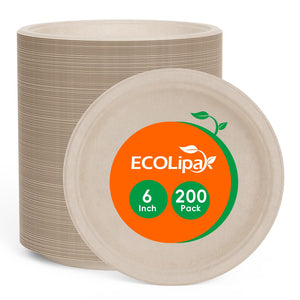
When you build a home emergency kit, you need supplies that work in real conditions. You need plates that can handle reheated leftovers, canned meals, freezer meals, oily foods, and quick serving during a power outage. Ecolipak Compostable Sugarcane Plates fit that job well because they use sugarcane bagasse, a reclaimed fiber from sugar processing. That gives you a plate that feels sturdy, stays lightweight, and supports a lower-waste approach to Sustainable Survival.
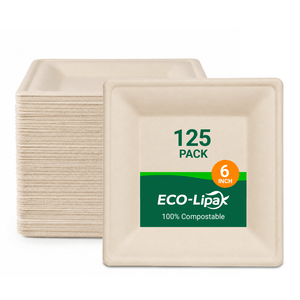
These plates also give you flexibility. You can choose sizes such as 6, 7, 9, and 10 inches, which helps you match the plate to the meal. Smaller plates work well for snacks, fruit, or rationed portions. Larger plates work better for full family meals during hurricane prep, blackout dinners, or shelter-in-place situations.
Thick and Leak Resistant
You do not want a plate to bend when you serve chili, pasta, beans, rice, stew, or saucy canned meals. In an emergency, one leak can create a mess you do not have the water or cleaning time to handle. That is why thickness matters.
Ecolipak sugarcane plates are made to feel solid in your hand. Their sturdy fiber structure helps them hold shape under heavier foods. The material also resists oil, which matters when you serve meats, gravies, or fried foods from your pantry rotation.
Ecolipak’s compostable sugarcane plates are often described as sturdy enough for full meals such as barbecue or pasta, with no need to worry about leaks or mess. For emergency meal service, that means you can plate hearty foods with more confidence.
That practical strength makes these plates useful for common American disaster scenarios. During hurricanes or long power outages, you may serve meals fast to several people at once. You may also rely on foods that come from cans, pouches, or reheated containers. Thick, leak-resistant plates help you keep serving simple and sanitary.
|
Brand/product |
Leak-resistance evidence |
What it means for emergency use |
|---|---|---|
|
Ecolipak plates |
Described as sturdy and able to hold hot, cold, and sauce-heavy foods without leaking. User feedback also notes support for heavy, moist meals without seepage. |
You can serve messy or substantial meals with less risk of leaks during outages. |
|
Other compostable sugarcane options |
Some are described as durable and leak-resistant, though with less specific support for very heavy or messy meals. |
You may get decent performance, but thickness and build quality still matter. |
A few smart use cases include:
-
canned soup with bread
-
pasta with sauce
-
rice and beans
-
reheated freezer meals
-
breakfast foods with grease or syrup
If you want one disposable plate type for many meal styles, thickness and leak resistance should stay near the top of your checklist. Ecolipak aligns well with that need.
Heat and Freezer Safe
Emergency meals often move between cold storage and quick reheating. You may freeze cooked food before storm season. You may reheat leftovers in a microwave during a short power return. You may also serve a hot meal right next to chilled fruit or a cold sandwich. Your plates need to handle that range.
Ecolipak sugarcane plates are microwave-safe and freezer-safe. That gives you more ways to use your food supply without swapping containers. You can plate cold items straight from storage. You can also use the same plate for hot foods when you need a fast meal with less cleanup.
Here is why that matters in practice:
-
You can use them for both hot and cold foods.
-
You can reheat many meals in a microwave without changing plates.
-
You can serve foods that came from freezer storage.
-
You can reduce sogginess and leakage during normal emergency meal use.
That mix of heat and cold tolerance helps in several 2026 preparedness situations. After a hurricane, you may need to reheat food in short windows when power returns. During a winter outage, you may rotate frozen meals into your emergency plan. During a shelter-in-place period, you may want fewer dishes to wash and fewer containers to track.
Tip: If you store make-ahead meals for storm season, pair freezer-safe plates with a meal label system. Write meal type, date, and serving size on the outside of the food package. That makes fast distribution easier when stress is high.
You also gain flexibility for portioning. A 6-inch or 7-inch plate can handle snacks or simple breakfasts. A 9-inch or 10-inch plate can handle a full meal. That size range helps you avoid waste, which matters when your supplies must last several days.
BPI and BPA-Free
When you buy disposable meal supplies for emergencies, safety labels should help you make a quick decision. You do not need a long list of technical terms. You just need signals that show the plate meets practical standards for food use and disposal.
Ecolipak sugarcane plates are BPI certified and BPA-free. For you, that means two simple buying signals:
-
BPI certified tells you the plates meet a recognized compostability standard.
-
BPA-free tells you the plates do not rely on that plastic-related chemical for food contact.
These details matter because emergency kits often stay packed for months. When you finally use the supplies, you want simple, reliable items that match your preparedness goals. If your household wants to reduce plastic exposure and reduce waste after a storm or blackout, these labels help you sort products faster.
Ecolipak plates also support that goal through the material itself. They are made from sugarcane bagasse, not conventional plastic. They are compostable and biodegradable, which supports a circular, lower-impact approach to preparedness. In plain terms, you get disposable convenience without defaulting to plastic for every emergency meal.
You can use these features as a fast screening tool when you shop:
|
Feature |
Why it matters in an emergency kit |
|---|---|
|
BPI certified |
Helps you identify compostable plates quickly |
|
BPA-free |
Supports safer food-contact choices |
|
Sugarcane bagasse material |
Uses reclaimed plant fiber instead of plastic |
|
Compostable and biodegradable |
Reduces waste impact after use |
|
Multiple size options |
Helps with portion control and meal planning |
For many households, especially those preparing for hurricanes and power outages, the best emergency products do two jobs at once. They solve a real problem today. They also support better habits long term. Ecolipak Compostable Sugarcane Plates do that by giving you strength, heat flexibility, and practical safety signals in one simple item.
How Many to Store
Count by Household Size
You need to estimate the right number of plates for your emergency kit. Start with your household size. Count each person who will need meals during a disaster. For example, a family of four should plan for four plates per meal. If you expect to serve three meals a day, multiply four by three. That gives you twelve plates per day. If you want to prepare for a week-long hurricane or power outage, multiply twelve by seven. You will need eighty-four plates for seven days. If you have guests or extended family, add extra plates to your total.
Tip: Always round up your plate count. Extra plates help when you serve snacks or unexpected meals.
Match Emergency Duration
Think about how long you want your kit to last. Most Americans prepare for three to seven days of disruption. You can use this formula:
Total Plates = (Household Size) x (Meals Per Day) x (Days of Emergency)
If you have five people and plan for five days, you need seventy-five plates. If you store different plate sizes, count each size separately. Smaller plates work for snacks or desserts. Larger plates fit main meals. You can adjust your numbers based on your meal plan.
|
Household Size |
Meals Per Day |
Days Prepared |
Total Plates Needed |
|---|---|---|---|
|
2 |
3 |
5 |
30 |
|
4 |
3 |
7 |
84 |
|
6 |
2 |
3 |
36 |
Store Them the Right Way
Proper storage keeps your plates ready for any emergency. You should keep plates in a cool, dry area. Avoid direct sunlight, which can weaken the material. Use a well-ventilated space to lower the risk of mold. Leave plates in their original packaging or sealed boxes. Keep them away from heat sources. Aim to use your plates within one year for best performance.
|
Storage Practice |
How it Supports Shelf Life |
|---|---|
|
Cool, dry area |
Limits moisture exposure and keeps plates strong |
|
Away from sunlight |
Prevents UV breakdown |
|
Well-ventilated space |
Reduces mold risk |
|
Sealed packaging |
Protects from contamination |
|
Away from heat |
Preserves structural strength |
|
Use within one year |
Ensures plates stay reliable |
Note: Good storage protects your emergency supplies. You avoid waste and keep your plates ready for hurricanes, power outages, or any disaster.
Buying Tips and Limits
When They Work Best
Sugarcane plates work best when you need fast, clean meal service during hurricanes, blackouts, water shortages, or shelter-in-place periods. You can use them for reheated dinners, pantry meals, cold foods, and shared family meal distribution. They also help when cleanup must stay simple.
Start with your real use case. Ask yourself what you will serve most often:
-
hot soup or chili
-
pasta or rice bowls
-
canned meals with sauce
-
sandwiches, fruit, or desserts
A strong sugarcane plate should handle heat, resist leaks, and stack neatly in storage. Bagasse plates make sense for many emergency kits because bagasse comes from reclaimed sugarcane fiber. That gives you a practical, lower-waste option for Sustainable Survival.
Tip: Match plate size to meal type. Small plates fit snacks. Larger plates fit full meals during outages.
When to Use Alternatives
You should use alternatives in a few situations. If your storage area stays damp for long periods, any compostable plate may lose strength over time. If you expect very heavy liquid meals, lower-quality plates may not give you the support you need. In that case, choose a deeper bowl or a heavier-duty meal container.
This does not mean sugarcane plates lack value. It means you should match the product to the job. Americans who prepare for storm season often do best with a mix of plates, bowls, and food containers.
Quick Ecolipak Checklist
Use this quick checklist before you buy:
-
Define usage: hot meals, cold foods, or both
-
Check thickness: sturdy plates hold full meals better
-
Check leak resistance: important for sauces, beans, and oily foods
-
Check heat tolerance: useful for microwave reheating
-
Check stackability: saves kit space
-
Check certifications: BPI is a strong quick signal; ASTM D6400 or EN 13432 also show recognized compostability standards
-
Check material: sugarcane bagasse is a smart option
-
Check size options: 6, 7, 9, and 10 inches help with portion control
-
Check supply reliability: steady availability matters before storm season
Ecolipak Compostable Sugarcane Plates align well with this checklist. They offer bagasse material, multiple sizes, microwave-safe performance, sturdy construction, and BPI-certified, BPA-free buying signals.
You make your emergency kit stronger when you add durable sugarcane plates and store them correctly. These plates help you keep meals sanitary and cleanup easy during hurricanes or power outages. You support Sustainable Survival by choosing compostable supplies instead of plastic. Sugarcane plates come from renewable waste, break down fast, and do not create microplastics.
|
Feature |
Coated Paper |
Plastic (PET/PP) |
Bagasse |
|---|---|---|---|
|
Raw Material |
Wood Pulp + Plastic Coating |
Fossil Fuels |
Sugarcane Waste |
|
Carbon Footprint |
High |
High |
Low |
|
End-of-Life |
Landfill |
Landfill / Recycling |
Compost (90 days) |
|
Microplastic Risk |
High |
High |
None |
-
Made from renewable sugarcane waste
-
Fully compostable within 90 days
-
No risk of microplastics
-
Lower carbon footprint
Review your kit today. Count your plates, match them to your household, and pick features that fit your emergency needs.
FAQ
Can you use sugarcane plates for hot meals during a power outage?
Yes, you can use sugarcane plates for hot meals. They handle heat well and do not break or leak. You can serve soup, pasta, or reheated foods safely during a power outage.
How long can you store sugarcane plates in your emergency kit?
You can store sugarcane plates for up to one year in a cool, dry place. Keep them sealed and away from moisture. This helps you stay ready for hurricanes or unexpected emergencies.
Are Ecolipak sugarcane plates safe for microwave use?
You can use Ecolipak sugarcane plates in the microwave. They do not melt or release toxins. You can reheat meals quickly and safely when you need fast food during a disaster.
What makes sugarcane plates better than plastic for disaster preparedness?
Sugarcane plates break down naturally and do not create plastic waste. You help protect the environment and avoid microplastics. You also get sturdy plates that work for hot and cold foods.
Can you compost sugarcane plates after an emergency meal?
Yes, you can compost sugarcane plates. They decompose in about 90 days. You reduce landfill waste and support a cleaner planet after hurricanes or power outages.