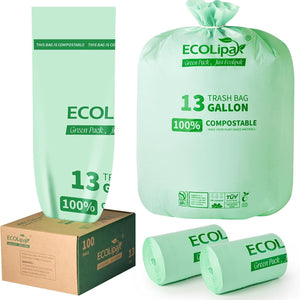
You can make your Zero-Waste Spring Festival a reality in 2026 by choosing certified compostable solutions. With compostable trash bags, you help return valuable organic matter to the earth and keep plastic out of waterways. You also cut landfill volumes, which reduces waste management costs. Compostable options lower methane emissions and support climate action. As more event organizers turn to brands like Ecolipak, you join a movement that protects the planet and boosts your festival’s reputation.
Key Takeaways
Choose certified compostable products to reduce plastic waste and support environmental health.
Educate attendees and staff about waste sorting to improve recycling rates and enhance the festival experience.
Engage with vendors who prioritize sustainable packaging to create a positive impact on the environment.
Implement clear signage and waste sorting stations to make recycling easy and effective for everyone.
Start planning early and set measurable sustainability goals to ensure a successful Zero-Waste Spring Festival.
Zero-Waste Spring Festival Essentials

Why Zero-Waste Matters
You want your Zero-Waste Spring Festival to stand out for all the right reasons. When you focus on zero-waste, you help protect the environment and create a positive experience for everyone. Most festivals only divert about 30% of their waste from landfills, but you can do better. By aiming for a higher diversion rate, you set a new standard for sustainability.
Here are some key environmental benefits you gain from zero-waste practices:
You return food waste to the earth, completing a natural cycle.
You cut down on single-use plastics by encouraging reusable bottles and containers.
You reduce landfill waste by using compostable and biodegradable products.
You support vendors who use sustainable packaging.
You help attendees refill water bottles, which lowers plastic bottle use.
Zero-waste also brings financial rewards. You lower your event’s operational costs and create jobs in your community. You boost your festival’s image and see a strong return on your investment. These benefits make your event more attractive to sponsors and attendees.
Benefit |
Description |
|---|---|
Reduced Operational Costs |
Waste reduction strategies can lead to lower expenses. |
Job Creation |
Zero-waste initiatives can create local employment opportunities. |
Enhanced Brand Image |
Companies adopting these practices can improve their public perception. |
Returns on Investment (ROI) |
Waste reduction strategies can yield significant financial returns. |
Key Strategies for Success
You can achieve a successful Zero-Waste Spring Festival by following proven strategies:
Educate your attendees with clear announcements and signs.
Choose vendors who avoid unnecessary packaging.
Set up waste sorting stations with trained volunteers to help guests.
Offer incentives for recycling, like rewards for proper sorting.
Engage volunteers to guide and educate attendees at waste stations.
Certified compostable products play a big role in your success. They make it easy to collect food scraps and packaging together, which improves compost quality and keeps plastics out of the soil.
Benefit of Compostable Products |
Description |
|---|---|
Alternative to Single-Use Items |
Compostable products reduce reliance on items that contribute to landfill waste. |
Nutrient Return to Soil |
They can be composted, returning nutrients to the soil. |
Easy Disposal |
Unlike recyclable items, they do not need to be cleaned of food scraps before composting. |
When you use certified compostable products, you help create healthy compost for farms and gardens. You also show your commitment to a cleaner planet, making your Zero-Waste Spring Festival a leader in sustainability.
Compostable Liners’ Role at Large Events
55-Gallon Liners for Festivals
You need strong waste solutions for your festival. Large events generate massive amounts of waste, and 55-gallon compostable liners make waste collection easy and efficient. These liners fit standard festival bins and handle heavy loads without tearing. You can rely on them to keep waste stations clean and organized.
Take a look at the features that make 55-gallon compostable liners ideal for festival waste management:
Feature |
Description |
|---|---|
Eco-Friendly Materials |
Made from plant-based polymers like cornstarch and PLA, reducing reliance on fossil fuels. |
Compostability |
Certified to meet international standards, decomposing into organic matter under composting conditions. |
Strength and Durability |
Thicker design with enhanced tensile strength to handle heavy waste without tearing. |
Resistance to Tearing |
Engineered to resist punctures and maintain shape under stress, suitable for various waste types. |
Compatibility with Composting |
Designed to integrate with composting systems, contributing to nutrient-rich compost. |
You want your Zero-Waste Spring Festival to run smoothly. Compostable liners help you meet food-diversion mandates and boost compliance. When you provide access to compostable liners, you make it easier for vendors and attendees to sort waste correctly. This leads to higher participation and less contamination in your compost stream.
Tip: Choose liners that are certified for compostability. This ensures your waste goes where it belongs and supports your sustainability goals.
Reducing Contamination with Certified Bags
You face a big challenge at large events: keeping compost streams clean. Certified compostable bags, like Ecolipak Compostable Trash Bags, help you reduce contamination and protect compost quality. Most compost facilities cannot tell the difference between compostable and conventional plastics, so using certified bags is crucial. You avoid the risk of your waste being removed during processing.
Here’s how certified compostable bags compare to traditional liners in reducing contamination:
Certified compostable bags break down naturally, leaving no harmful residues.
They support compliance with environmental standards and food-diversion mandates.
Compostable bioplastic liners boost organics recovery rates and increase participation in food diversion programs.
Controlled use of certified compostable servingware at festivals allows direct processing of waste, minimizing contamination.
Using these bags helps reduce landfill waste and supports the creation of nutrient-rich compost for soil health.
Ecolipak Compostable Trash Bags stand out because they are made from compostable materials and certified for compostability. You can trust them to support sustainable practices and contribute to a healthier planet. Composting returns nutrients to the soil and lowers methane emissions, making your event more eco-friendly.
Check the certifications that matter most for compostable liners at festivals:
Certification |
Description |
|---|---|
BPI |
Ensures biodegradability in municipal composting. |
EN13432 |
The gold standard in Europe for compostable products. |
OK Compost |
Indicates suitability for both industrial and home composting. |
ASTM D6400 |
Specifies requirements for compostable plastics. |
ISO 17088 |
International standard for compostable plastics. |
FSC |
Certifies responsible sourcing of materials. |
You can rely on Ecolipak’s certifications, including BPI and OK Compost, to guarantee your bags meet strict environmental standards. When you choose certified compostable bags, you protect compost quality and help your Zero-Waste Spring Festival succeed.
Note: Certified compostable liners make waste sorting easier for everyone. You help your staff, vendors, and attendees do the right thing for the planet.
Choosing Ecolipak Compostable Trash Bags
Features and Certifications
You want your festival waste stations to run smoothly. Ecolipak Compostable Trash Bags give you the confidence to manage waste responsibly. These bags use plant-based PLA and cornstarch, which means you protect the environment every time you collect trash. You get bags that are strong, tear-resistant, and reliable for heavy loads. Odor control keeps your event fresh, even during busy hours.
Take a look at how Ecolipak compares to other brands:
Brand |
Thickness |
Durability Rating |
Tear Resistance |
|---|---|---|---|
Ecolipak |
1 mil |
Suitable for weekly waste collection |
May struggle with heavy loads |
Hippo Sak |
N/A |
Superior puncture resistance |
N/A |
Biodegradable Code-Q |
30 microns |
Exceptional strength, never reported tearing |
N/A |
You get bags that fit standard bins and resist leaks. You can use them indoors or outdoors. Ecolipak bags break down in composting conditions, leaving no harmful residue. You help keep food away from plastic and support a cleaner planet.
Certifications matter when you choose compostable trash bags. Ecolipak bags carry BPI and OK Compost certifications. These labels show that the bags meet strict compostability standards. You can trust that your waste will decompose safely and support soil health.
To verify certifications, follow these steps:
Check for recognized certification standards such as EN 13432.
Examine the material composition to ensure it is plant-based.
Read the packaging and labels carefully for certification details.
Be aware of greenwashing and verify claims with suppliers.
Verify certificate numbers on official databases.
Request recent lab test reports for biodegradation and ecotoxicity.
Inspect random samples for quality assurance.
You can also look for ASTM D6400 and EN 13432 certifications. These standards guarantee that the bags will break down in composting facilities. When you see BPI or OK Compost on the packaging, you know you are making the right choice.
Tip: Always ask your supplier for proof of certification. This protects your festival from contamination and supports your Zero-Waste Spring Festival goals.
Sourcing and Implementation Tips
You want to make sourcing easy and stress-free. Ecolipak offers compostable trash bags in multiple sizes, including 13-gallon and 33-gallon options. You can order directly from their website or through trusted distributors. Choose the size that fits your bins and estimate the number of bags based on expected waste volume.
Here are practical tips for using Ecolipak Compostable Trash Bags at your event:
Place bags in all waste stations, including food areas and beverage zones.
Train staff to recognize certified compostable bags and avoid mixing them with conventional plastics.
Use clear signage to help attendees sort waste correctly.
Replace bags regularly to prevent overflow and keep stations tidy.
Store bags in a cool, dry place to maintain their strength.
You can rely on Ecolipak’s customer support for guidance. Many event organizers praise the durability and eco-friendly design of these bags. They report fewer leaks and easier waste sorting. Attendees notice the clean stations and appreciate your commitment to sustainability.
Note: Positive feedback from customers shows that Ecolipak products perform well at festivals and large gatherings. You get sturdy bags that help you reach your sustainability targets.
You make your Zero-Waste Spring Festival a leader in environmental responsibility when you choose Ecolipak Compostable Trash Bags. You show your guests that you care about the planet and their experience.
Avoiding Non-Compostable Pitfalls
Common Mistakes to Avoid
You want your spring festival to shine as a zero-waste event. Many organizers make simple mistakes that can derail your sustainability goals. If you start planning too late, you miss key opportunities to build eco-friendly systems. When you focus only on checklists, you lose sight of your purpose and exhaust your team. Using vague language or buzzwords without clear instructions confuses staff and attendees. You also risk using uncertified bags or mixing compostable and non-compostable items, which leads to contamination.
Here are some common errors you should watch out for:
Starting sustainability planning too late in the process.
Putting practice before purpose and process.
Communicating goals and instructions too vaguely.
Using uncertified trash bags or mixing plastics with compostables.
Ignoring staff training and attendee education.
Tip: Begin your sustainability planning early. Set clear goals and communicate them with simple language.
Staying on Track with Sustainability Goals
You can protect your festival’s reputation and the planet by avoiding non-compostable alternatives. Single-use plastics create waste that overwhelms your bins and pollutes rivers and oceans. When you use non-compostable products, you undermine your zero-waste efforts and harm wildlife.
To maintain high standards for sustainability, follow these steps:
Set clear, measurable sustainability goals.
Select vendors who commit to eco-friendly practices.
Use energy-efficient lighting and systems.
Incorporate waste management practices like compostable trash bags.
Engage attendees with apps and activities that promote green habits.
Track your progress with key performance indicators.
Improve your strategies based on feedback and audits.
You can also offer eco-friendly catering with local and plant-based options. When you measure and track your efforts, you see real progress and inspire others. You lead by example and show your community that zero-waste is possible.
Note: Every choice you make matters. Choose certified compostable solutions and keep your festival on the path to sustainability. 🌱
Practical Event Organizer Tips
Waste Station Setup
You can set up waste stations that make recycling and composting easy for everyone. Start by mapping out collection points before your festival begins. Focus on areas where people gather and waste builds up. Place enough trash and recycling bins in each spot. Use commercial dumpsters for large events and roll-off dumpsters for quick removal. Label every bin clearly with signs and colors. Assign staff or volunteers to monitor stations and help guests sort their waste. This keeps your festival clean and boosts your zero-waste goals.
Tip: Use real images of waste items on signs. This helps attendees know exactly where to put their trash.
Staff Training and Attendee Education
You can train your staff to guide attendees in waste sorting. Use color-coded bins and clear visuals at each station. Teach your team to answer questions and encourage proper disposal. Offer short workshops or demonstrations on sustainable practices. Give discounts to guests who bring their own containers. Create friendly competitions with leaderboards and recognition for zero-waste champions.
Evidence Type |
Description |
|---|---|
Effective Signage |
Real images on signs improve clarity for festival attendees. |
Staff Training |
Proper training helps staff guide attendees in waste management. |
Color Coding |
Different colors for waste streams make sorting quick and easy. |
Note: Ecolipak’s resources help you educate your team and attendees. Many organizers feel proud after switching to Ecolipak’s eco-friendly products.
Tracking Waste Diversion
You can track your festival’s waste diversion progress with simple tools. Add recycling bins in public spaces and report achievements in newsletters or on social media. Set clear recycling goals and share results with your community. Target non-recyclers with positive messages and endorsements from local leaders. Use volume-based disposal to encourage recycling. Design efficient collection routes and adjust techniques based on feedback.
Ecolipak supports your efforts by providing compostable products that break down quickly in commercial facilities. In 2024, Ecolipak helped protect 125,000 square meters of green space by selling 59 million eco-friendly products. You can rely on their support to reach your zero-waste targets.
🌱 Every step you take brings your festival closer to zero-waste success.
You play a vital role in making your Zero-Waste Spring Festival a success. Certified compostable liners and Ecolipak Compostable Trash Bags help you protect the environment and boost your festival’s reputation. Festivalgoers expect you to address environmental impacts, with 81% wanting sustainable solutions and 25% focusing on reducing single-use plastics. Ecolipak offers compostable products that align with your goals and provide strength for hot foods.
Feature |
Description |
|---|---|
Compostable Nature |
Ecolipak products support sustainability. |
Strength for Hot Foods |
Practical for festival use. |
Proper Disposal |
Ensures environmental benefits. |
Choose Ecolipak and lead your festival toward a cleaner future. 🌱
FAQ
What makes Ecolipak Compostable Trash Bags different from regular plastic bags?
You get bags made from plant-based materials. They break down in composting conditions. You protect the planet and avoid plastic pollution. Certified compostable bags support your zero-waste goals.
How do I know if the bags are truly compostable?
You check for BPI and OK Compost certifications. These labels guarantee compostability. You can trust Ecolipak bags to meet strict environmental standards.
Can I use Ecolipak Compostable Trash Bags outdoors?
You can use them for outdoor events, camping, or yard work. Store them in a cool, dry place. The bags stay strong and reliable.
How long do Ecolipak Compostable Trash Bags take to decompose?
You see the bags break down in 3–6 months under composting conditions. They leave no harmful residue. You help create healthy soil.
Are Ecolipak Compostable Trash Bags strong enough for festival waste?
You get tear-resistant bags that handle heavy loads. They keep waste stations clean and organized. You can rely on them for large events.