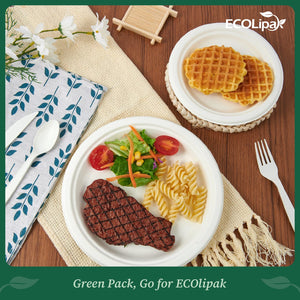
You can transform your health with a new approach to eating. This is not a restrictive diet. It is an enjoyable lifestyle. Poor diet is a leading cause of mortality in the U.S. The Mediterranean diet offers a powerful alternative. Research shows this diet for longevity has significant health benefits. Greater adherence to the Mediterranean diet is linked to longer telomeres, which are signs of healthy aging and longevity. This heart-healthy eating plan provides clear guidelines. Embracing a full Mediterranean lifestyle even includes mindful choices, like using sustainable palm leaf plates.
Key Takeaways
The Mediterranean diet is a healthy lifestyle, not just a diet. It includes community, activity, and enjoying food.
Eat mostly whole, unprocessed foods. These include fruits, vegetables, whole grains, and lean proteins.
Choose healthy fats like olive oil, avocados, nuts, and seeds. Limit unhealthy saturated and trans fats.
Reduce added sugars and sodium. Read food labels to find hidden sugars and salt.
Drink plenty of water every day. Water helps your body work well and supports overall health.
Plan your meals and snacks with Mediterranean foods. This includes fish, poultry, legumes, and fresh produce.
Practice mindful eating. Pay attention to your food and body's signals.
Move your body often. Find activities you enjoy to stay active every day.
Core Principles of the Mediterranean Diet
The Mediterranean diet is recognized as one of the healthiest eating patterns globally. It is more than a set of rules. It is a lifestyle that promotes long-term health and well-being. This approach to eating offers incredible benefits for your health.
What is the Authentic Mediterranean Diet?
The authentic Mediterranean diet is a complete lifestyle. It goes beyond the food on your plate. This diet reflects a way of life centered on community, activity, and appreciation for food. The Mediterranean diet pyramid places a strong emphasis on these lifestyle factors.
Key Lifestyle Components of the Authentic Mediterranean Diet:
Sharing meals with family and friends.
Engaging in regular physical activity.
Choosing local and seasonal foods.
Viewing meals as moments for socializing.
This holistic view is a core part of the authentic Mediterranean diet. It helps you build a sustainable and enjoyable path to better health. The Mediterranean diet pyramid is your guide.
Focus on Whole Foods
You should build your meals around whole, unprocessed foods. These foods are rich in nutrients. They provide your body with the fuel it needs to thrive. Processed foods often contain added sugars, unhealthy fats, and chemicals. The table below shows the clear benefits of choosing whole foods.
Feature |
Whole Foods |
Processed Foods |
|---|---|---|
Nutrients |
Rich in vitamins, minerals, and fiber. |
Often stripped of natural nutrients. |
Fiber |
High fiber content supports digestion. |
Low or no fiber content. |
Sugar & Salt |
Naturally low in added sugar and salt. |
High in added sugar and salt. |
Health Impact |
Reduces risk of chronic diseases. |
Linked to obesity and heart disease. |
Making this switch is a powerful step. You will notice the positive changes in your energy and overall health. The Mediterranean diet pyramid prioritizes these nutrient-dense options.
The Role of Fruits and Vegetables
Fruits and vegetables are the foundation of the Mediterranean diet. You should fill your plate with a colorful variety of vegetables. These foods are packed with vitamins, minerals, and antioxidants. Aim for several servings of vegetables each day. Including plenty of fruits and vegetables provides significant health benefits.
The Power of Whole Grains
Whole grains are an essential part of Mediterranean diet foods. You can enjoy foods like oats, brown rice, quinoa, and whole-wheat bread. These are foods high in fiber. They provide steady energy and support digestive health. The Mediterranean diet pyramid includes whole grains at its base.
Incorporating Lean Proteins
The Mediterranean diet encourages lean protein sources. You can eat fish, poultry, beans, and lentils. These foods support muscle health. They keep you feeling full and satisfied.
Choose Healthy Fats
Fat is not the enemy in the Mediterranean diet. You just need to choose the right kinds. Healthy fats are crucial for brain health and reducing inflammation.
Good Fats to Enjoy
Olive oil is the main source of fat in the authentic Mediterranean diet. You should use extra virgin olive oil for cooking and dressings. Extra virgin olive oil is a monounsaturated fat. It helps lower bad cholesterol. Other sources of healthy fats include:
Avocados and nuts
Seeds like flax and chia
Oily fish such as salmon and sardines
Extra virgin olive oil is a cornerstone of this diet. Its regular use offers many health benefits.
Fats to Limit
You should limit your intake of saturated and trans fats. These unhealthy fats can raise your bad (LDL) cholesterol levels. This increases your risk for heart disease and stroke. These fats are often found in red meat, butter, and many processed snacks. Reducing them is key to protecting your heart health.
Reduce Added Sugars and Sodium
You can significantly improve your health by cutting back on added sugars and sodium. The Mediterranean diet makes this simple because it focuses on whole foods, which are naturally low in both. Processed foods, on the other hand, often hide large amounts of sugar and salt. A diet high in sugar can lead to obesity and serious heart problems. Too much sodium often causes your body to hold onto water. This increases your blood pressure and raises your risk for heart attacks and strokes.
Health experts provide clear guidelines to help you stay within healthy limits. Following these recommendations is a major step toward better health.
Added Sugar: The American Heart Association (AHA) suggests women have no more than 6 teaspoons (24 grams) per day. Men should aim for no more than 9 teaspoons (36 grams) per day.
Sodium: You should aim to consume less than 2,300 milligrams (mg) of sodium each day. That is about one teaspoon of salt.
Tip: Start reading nutrition labels on packaged foods. You might be surprised to find hidden sugars and sodium in items like bread, sauces, and salad dressings. Choosing fresh ingredients gives you complete control.
The Importance of Hydration
Staying hydrated is essential for your overall well-being. Water is a vital nutrient that supports every function in your body. Your individual needs may change based on your activity level and where you live. However, there are general guidelines you can follow.
For women, experts recommend about 9 cups of fluids per day.
For men, the recommendation is around 13 cups of fluids per day.
Proper hydration does more than just quench your thirst. Water acts as your body's transportation system. It carries nutrients to your cells and removes waste products. When you are well-hydrated, your cells function more efficiently. Studies show that good hydration supports healthy blood sugar levels and may lower your risk for chronic diseases like diabetes and heart failure. Dehydration, even in the short term, can impair your body's ability to manage blood sugar and increase stress hormones. Making water your primary drink is one of the best things you can do for your health. 💧
Your Mediterranean Food List
To help you get started, this Mediterranean diet food list breaks down what to eat. You can use it as a guide for your grocery shopping and meal planning. The focus of this diet is on fresh, whole foods.
Foods to Eat Abundantly
These foods should form the foundation of your daily meals. You can enjoy them in generous amounts. They are packed with the nutrients your body needs to thrive.
Vegetables and Fruits
You should fill your plate with a rainbow of vegetables and fruits. These healthy foods are a major part of the Mediterranean diet. They are rich in beneficial molecules like polyphenols and vitamins. Key items like tomatoes and olives provide powerful anti-inflammatory and antioxidant benefits.
You have many delicious options to choose from. Try to incorporate a wide variety into your diet.
Leafy Greens: Spinach is known for its iron, while kale is a powerhouse of vitamin K. Arugula adds a peppery flavor and is a good source of calcium for bone health.
Cruciferous Vegetables: You can enjoy broccoli for its high vitamin C content. Brussels sprouts are high in fiber. Cauliflower is a versatile, low-carb option.
Nightshades: Tomatoes are full of lycopene, which supports heart health. Bell peppers add a sweet flavor and lots of vitamin C. The skin of eggplants contains nasunin, an antioxidant that may lower cancer risk.
Unique Choices: Pomegranate helps protect your body from damage. Figs are excellent for gut health, providing over 10 grams of fiber per serving. Red grapes contain a special acid that helps your body burn fat.
Legumes, Nuts, and Seeds
Legumes, nuts, and seeds are plant-based powerhouses in the Mediterranean diet. You should aim to eat them daily. They offer significant health benefits.
Health Benefits of Daily Consumption:
Heart Health: Nuts and seeds can lower several risk factors for heart disease, including bad cholesterol and blood pressure. The European Food Safety Authority notes that a 30g portion of walnuts daily helps improve blood vessel elasticity.
Cancer Prevention: The fiber in nuts and seeds helps lower your risk of bowel cancer.
Diabetes Management: These foods may reduce your risk of type 2 diabetes by helping manage body weight and improving how your body uses sugar.
You can add lentils to soups, snack on almonds, or sprinkle chia seeds on your yogurt.
Whole Grains
Whole grains are a key source of energy in the Mediterranean diet. You should choose options like oats, quinoa, brown rice, and whole-wheat bread. These Mediterranean diet foods are high in fiber. This helps you feel full longer and supports healthy digestion. You can build many satisfying meals around these grains.
Foods to Enjoy in Moderation
These foods are a healthy part of the Mediterranean diet, but you should eat them in smaller quantities than the foods listed above.
Fish and Seafood
The Mediterranean diet suggests you eat seafood about twice per week. Fish, especially fatty fish, provides omega-3 fatty acids. These healthy fats are vital for your brain and heart health.
Some fish are better sources of omega-3s than others. This table can help you make the best choices.
Type of fish |
Omega-3 content (grams per 3-ounce serving) |
Mercury concern level |
|---|---|---|
Farmed Atlantic salmon (cooked) |
1.83 |
Best choice |
Atlantic herring (cooked) |
1.71 |
Best choice |
Wild Atlantic salmon (cooked) |
1.57 |
Best choice |
Whitefish (cooked) |
1.38 |
Best choice |
European anchovies (raw) |
1.23 |
Best choice |
Atlantic mackerel (cooked) |
1.02 |
Best choice |
Pink salmon (canned and drained) |
0.91 |
Best choice |
Atlantic sardines (canned in oil) |
0.83 |
Best choice |
White tuna* (canned in water) |
0.73 |
Good choice |
Poultry and Dairy
You can include poultry like chicken and turkey in your diet a few times a week. Always choose lean cuts and remove the skin. Dairy products, especially fermented ones like yogurt and kefir, are also part of the Mediterranean lifestyle. You should enjoy them in moderation. Cheese is a staple in many Mediterranean regions, but it is typically eaten in small amounts.
Foods to Limit
To get the full benefits of this healthy diet, you should significantly reduce your intake of certain foods. Think of these as occasional treats, not everyday staples.
Red and Processed Meats
Major health organizations recommend dietary patterns low in red and processed meats. High consumption is linked to serious health problems.
Increased risk of type 2 diabetes
Increased risk of heart disease
Increased risk of certain cancers, especially colorectal cancer
The International Agency for Research on Cancer (IARC) classifies processed meat as "carcinogenic to humans." It classifies red meat as "probably carcinogenic to humans." Eating just one 50-gram portion of processed meat daily can increase your risk of colorectal cancer by about 18%.
Smart Swaps: Instead of beef burgers or cold cuts, you can try pan-frying chicken or fish. Use ground turkey instead of ground beef. Canned tuna or sliced chicken make great sandwich fillings. Plant-based proteins like beans, lentils, and tofu are also excellent alternatives.
Refined Grains and Sweets
You should limit foods made with white flour, such as white bread, pasta, and pastries. These foods have been stripped of their fiber and nutrients. This can cause your blood sugar to spike. Desserts and sweets are high in sugar and should be saved for special occasions. When you crave something sweet, reach for a piece of fruit instead.
Sugary Drinks
Sodas, sweetened teas, and fruit juices are major sources of added sugar. They offer no nutritional value. You should make water your primary beverage. This simple change supports the healthy Mediterranean lifestyle and helps you avoid empty calories. Remember to use plenty of olive oil in your cooking, as it is the primary fat source in this beneficial diet. The entire Mediterranean approach is about enjoying delicious, nourishing food.
Building Your Mediterranean Meal Plan
Creating your Mediterranean meal plan is simpler than you think. You can easily transition to this healthy way of eating. A good Mediterranean meal plan focuses on whole foods, healthy fats, and delicious flavors. This section gives you a sample Mediterranean diet meal plan to get you started. You can mix and match these ideas to build a diet that works for you.
A Sample Mediterranean Diet Meal Plan
This sample plan shows you how to structure your days. You will see how easy it is to enjoy the Mediterranean diet. Each meal is designed to be both nourishing and satisfying.
Energizing Breakfast Ideas
You can start your day with a breakfast that provides lasting energy. The Mediterranean diet offers many wonderful options beyond typical cereal. Many recipes are quick to prepare.
Greek Yogurt with Honey: A classic Greek choice. You can top plain Greek yogurt with a drizzle of honey, fresh berries, and a sprinkle of nuts.
Shakshuka: This dish features eggs gently poached in a savory tomato and bell pepper sauce. You can season it with herbs and a little olive oil.
Avocado Toast: You can mash an avocado onto a slice of whole-grain toast. Top it with smoked salmon and fresh dill for a boost of healthy fats.
Spinach and Feta Omelette: You can whisk eggs with fresh spinach and crumbled feta cheese. Cook it in a pan with a touch of olive oil for a protein-packed start.
Simple Lunch Ideas
Your midday meal should be simple, fresh, and easy to assemble. A Mediterranean meal plan makes lunch something to look forward to. Many options are perfect for packing for work.
You can prepare Mediterranean lunch bowls in just 20 minutes. They require minimal cooking. You only need to cook quinoa and chop a few fresh vegetables like cucumber and red onion.
Mediterranean Quinoa Bowl: You can build a bowl with a base of quinoa. Add chickpeas, cherry tomatoes, cucumbers, and Kalamata olives. Finish it with a lemon and olive oil dressing.
Spicy Tuna Wrap: You can mix canned tuna with a little olive oil and spices. Spread it on a whole-wheat wrap with arugula and sliced bell peppers.
Greek Salad: You can create a complete meal with a traditional Greek salad. Combine tomatoes, cucumbers, red onion, and feta cheese. This is one of many healthy mediterranean recipes.
Bento Box Lunch: You can pack a variety of items for a fun, picnic-style lunch. Include hummus, whole-grain pita, fresh veggies, a handful of almonds, and some fresh fruit.
Nourishing Dinner Ideas
Dinner is a great time to bring the family together with a wholesome meal. A Mediterranean meal plan includes many simple yet elegant dinner recipes. Sheet pan dinners are a fantastic option for busy weeknights.
Sheet Pan Lemon Herb Salmon: You can place salmon fillets on a baking sheet with asparagus and cherry tomatoes. Drizzle everything with olive oil and sprinkle with lemon juice and herbs before baking.
Chicken and Veggie Skewers: You can thread chunks of chicken, bell peppers, zucchini, and onions onto skewers. Grill or bake them for a flavorful meal.
Lentil Soup: You can make a hearty soup with lentils, carrots, celery, and onions. This is a comforting and filling option for your Mediterranean diet.
Vegetable Flatbread Pizza: You can use whole-wheat flatbread as a base. Top it with tomato sauce, lots of vegetables, a sprinkle of cheese, and a final drizzle of olive oil.
Smart Snacking Options
Snacks are an important part of a balanced diet. They help you maintain energy levels between meals. The Mediterranean diet encourages you to choose snacks that are whole and unprocessed.
A handful of unsalted nuts like almonds or walnuts.
Fresh fruit such as an apple, a pear, or a bowl of berries.
Veggie sticks (carrots, cucumbers, bell peppers) with hummus.
A small bowl of Greek yogurt.
A few olives and a small piece of feta cheese.
Roasted chickpeas seasoned with spices and a little olive oil.
Portion Control with Ecolipak Plates
Following a healthy diet is not just about what you eat, but also how much you eat. Portion control can feel tricky, but visual aids make it much easier. This is where the right tools can support your Mediterranean meal plan.
The Ecolipak brand is dedicated to providing sustainable solutions that make healthy living convenient. Their Compostable White Sugarcane 5 Compartment Potluck Plates are perfectly designed for your Mediterranean meal plan. Studies show that using plates with clear sections helps you serve appropriate portion sizes without guesswork.
These plates act as a simple guide for building a balanced Mediterranean meal. You can use the five compartments to visually portion your food groups:
Largest Compartment: Fill this with non-starchy vegetables like leafy greens, broccoli, or bell peppers.
Two Medium Compartments: Use one for your lean protein (like grilled chicken or fish) and the other for your whole grains (like quinoa or brown rice).
Two Small Compartments: These are perfect for a serving of fruit and a source of healthy fats, such as a handful of olives or nuts.
Choosing Ecolipak plates also supports a holistic lifestyle that is good for you and the planet. These plates are made from upcycled sugarcane bagasse, a renewable resource. They are 100% compostable, breaking down naturally and reducing plastic waste. By using these plates, you make a responsible choice that aligns perfectly with the wholesome principles of the Mediterranean diet.
Practical Steps for Success
Adopting a new eating style is a journey. You can set yourself up for success with a few practical strategies. These steps will help you integrate the Mediterranean diet into your daily life with ease.
Smart Grocery Shopping
Your success begins at the grocery store. A well-planned shopping trip ensures you have delicious, healthy ingredients ready to go.
Creating Your Shopping List
You should always shop with a list. This helps you stay focused and avoid impulse buys. Keep your list on the fridge so you can add items as you run out. Your list should be full of Mediterranean staples.
Healthy Fats: Extra virgin olive oil is a must.
Produce: Load up on fresh fruits and vegetables like leafy greens and tomatoes.
Whole Grains: Choose items like brown rice, farro, or bulgur.
Proteins: Stock up on legumes like lentils and chickpeas, plus fish and seafood.
Flavor: Grab fresh herbs, garlic, and spices to make your meals delicious.
How to Read Nutrition Labels
You can become an expert at reading nutrition labels. This skill helps you avoid hidden sugars and sodium. When you look at a label, check the "Added Sugars" line. You should also look for the sodium content. Choosing foods with lower numbers in these areas supports your health goals.
Simple Meal Prep Strategies
Meal prep saves you time and makes healthy eating effortless during a busy week. You do not need to spend all day in the kitchen. A little planning goes a long way.
Cook Once, Eat Twice
You can make your cooking more efficient with this simple trick. When you prepare dinner, just make extra. For example, you can bake two salmon fillets instead of one. Store the extra salmon and roasted broccoli in separate containers. This gives you a ready-made lunch for the next day.
Batch Cooking Basics
You can prepare individual ingredients in advance. This makes assembling meals much faster. Dedicate a little time each week to cook a large batch of a whole grain like quinoa or farro. You can also pre-chop vegetables or mix a jar of homemade salad dressing. Having these components ready makes it easy to throw together quick salads, bowls, and other simple recipes.
Mindful Eating Practices
How you eat is just as important as what you eat. Mindful eating helps you connect with your food and your body. It encourages you to slow down and savor each bite.
The Principles of Mindful Eating:
Engage Your Senses: Notice the colors, smells, and textures of your food.
Listen to Your Body: Eat when you are hungry and stop when you feel about 80% full.
Eat Slowly: Chew your food thoroughly and put your fork down between bites.
Avoid Distractions: Turn off the TV and put your phone away during meals.
You can start small. Try practicing with just one snack or one meal a day. This practice helps you build a healthier relationship with food and appreciate the nourishment it provides.
Healthy Choices When Dining Out
You can enjoy eating out while staying true to your healthy lifestyle. A little planning helps you make smart choices at any restaurant. The Mediterranean diet is flexible enough to work even when you are not in your own kitchen. You can navigate menus with confidence and find delicious, nourishing options.
Before you go, you can look at the menu online. This gives you time to find the best choices without feeling rushed. Look for dishes that feature vegetables, whole grains, and lean proteins.
When you order, you have several great strategies. These tips help you build a meal that aligns with Mediterranean principles.
Prioritize Plant-Based Dishes. You can look for vegetarian entrees first. These meals often feature plant-based proteins, grains, and plenty of vegetables. They are a natural fit for the Mediterranean diet.
Choose Your Cooking Method. Pay attention to how food is prepared. You should select dishes that are grilled, baked, or roasted. These methods use less oil. While olive oil is a staple at home, restaurants may use other types.
Manage Your Portions. Restaurant meals are often much larger than a single serving. You can plan to eat only half of your meal. Ask for a to-go box when your food arrives. This gives you a delicious lunch for the next day.
Select Your Sips Wisely. Water is always your best beverage choice. If you choose to have alcohol, you can opt for wine in moderation. The Mediterranean lifestyle includes moderate wine consumption, which may offer heart-protective benefits.
Your Dining Out Game Plan 🍽️ You can ask for sauces and dressings on the side. This puts you in control of how much you use. You can also request steamed vegetables or a side salad instead of fries. Small swaps make a big difference.
Dining out is a wonderful way to connect with friends and family. You do not have to sacrifice your health goals to enjoy it. With these simple tips, you can savor every moment and every bite.
The Mediterranean Lifestyle
The mediterranean diet is more than just food. It is a complete lifestyle that supports your long-term health and longevity. This approach combines a healthy diet with daily movement and good habits for sleep and stress. You can embrace this lifestyle for better aging.
The Role of Physical Activity
Physical activity is a natural part of the mediterranean lifestyle. It is not about intense gym sessions. Instead, you can weave movement into your everyday routine. This makes staying active feel enjoyable and sustainable.
Finding Activities You Enjoy
You can find joy in moving your body. The mediterranean way is to make activity a part of your day. You can walk to the store, work in a garden, or take the stairs. These small actions add up and improve your health. Think about activities you truly like. Maybe you enjoy a morning walk on the beach or a hike on a local trail. The goal is to be active in short periods throughout the day.
Movement and a Healthy Diet
Combining movement with your mediterranean diet creates powerful results for your health. Regular activity helps you manage your weight and strengthens your heart. This combination is key for healthy aging and longevity. Experts provide clear guidelines for how much activity you need.
Activity Goal: As an adult, you should aim for at least 150 minutes of moderate activity, like brisk walking, each week. This supports your journey toward longevity.
Sleep, Stress, and Eating Habits
Your mental well-being is a huge part of your overall health. The mediterranean lifestyle recognizes the connection between sleep, stress, and your diet. Managing these areas helps you make better food choices.
How Sleep Affects Food Choices
A lack of sleep can sabotage your healthy diet. When you are tired, your body's hormones get out of balance. Your body makes more of the hormone that tells you you're hungry (ghrelin). It makes less of the hormone that tells you you're full (leptin). This change can make you crave high-calorie foods. Your tired brain also has a harder time making good decisions, making that junk food look extra tempting. Good sleep is essential for a healthy diet and successful aging.
Managing Stress-Related Eating
Stress can make you eat even when you are not hungry. You can learn new ways to cope with stress without turning to food. Managing stress is about self-care, not willpower.
You can try these simple strategies:
Practice deep breathing or take a short walk outside.
Eat balanced meals to keep your mood stable.
Keep healthy snacks ready for when you are busy.
Talk to a friend or family member when you feel overwhelmed.
Explore new hobbies like journaling or listening to music.
Building these habits supports your new lifestyle and promotes healthy aging. This complete approach is what makes the mediterranean diet so effective for longevity.
You can achieve better health and longevity with the Mediterranean diet. This approach is about inclusion, not restriction. The Mediterranean diet focuses on whole foods and healthy fats, offering clear benefits for healthy aging. This diet is a sustainable lifestyle. You can enhance this lifestyle with eco-friendly choices, like using products from Ecolipak, to support your health and successful aging. The Mediterranean diet is a powerful diet for longevity.
Start Your Journey Today! 🥗 You do not need to change everything at once. Start with one small step for your health and longevity. Try one of the Mediterranean recipes this week to begin your path to better aging and longevity with this amazing Mediterranean diet.
FAQ
Can I lose weight on the Mediterranean diet?
Yes, you can lose weight with this eating plan. The diet emphasizes whole foods that help you feel full. You should still practice portion control. This combination supports healthy and sustainable weight management.
Is the Mediterranean diet expensive to follow?
This diet can be very budget-friendly. You can save money by buying seasonal produce. Frozen fruits and vegetables are also great, affordable options. Plant-based proteins like beans and lentils cost very little.
Can I drink alcohol on this diet?
The Mediterranean lifestyle often includes red wine in moderation with meals. You should limit your intake. If you do not drink alcohol, you do not need to start. Water is always your best choice for hydration.
Is this diet good for the whole family?
Absolutely. The Mediterranean diet provides balanced nutrition for all ages. You can easily adjust portion sizes for children. It helps your family build healthy eating habits that last a lifetime.
How do I start the Mediterranean diet?
You can begin with small, simple changes. Try swapping butter for olive oil in your cooking. Add an extra serving of vegetables to your dinner. You could also try one new Mediterranean recipe this week.
Do I have to eat fish?
Fish is a common protein, but it is not required. You can get healthy fats from other sources.
Try adding more plant-based fats to your meals. Avocados, nuts, and seeds are all excellent choices if you do not eat fish.