Confident hosting starts with a simple secret. You can master entertaining by learning just three core setups. This guide is your ultimate table setting cheat sheet for any occasion. These three settings are your complete toolkit for setting the table.
The Basic Setting
The Casual (or Informal) Setting
The Formal Setting
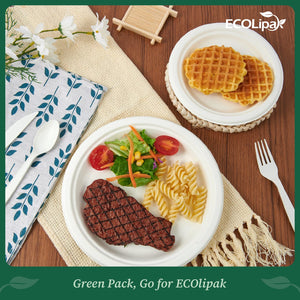
These are fantastic hosting ideas for everything from a simple dinner to a grand holiday feast. You can even use stylish compostable plates for a modern touch.
Key Takeaways
-
Master three main table settings: basic, casual, and formal. This helps you host any event with confidence.
-
Start with the basic setting for simple meals. Add more items for casual or formal events. This makes setting the table easy.
-
Remember the rule: guests use utensils from the outside in. This helps you place forks, knives, and spoons correctly.
-
Use eco-friendly options like compostable plates. They make cleanup easy and are good for the planet.
-
Focus on making guests feel welcome. You do not need perfect or expensive items to host a great party.
Mastering the Basic Art of Setting the Table
Let's start with the foundation of all table settings. The Basic Setting is your go-to for weeknight family dinners, casual brunches, or any relaxed get-together. Think of it as the simple, elegant blueprint you can always rely on. Once you master this, you're well on your way to hosting with zero stress.
The Essential Items You'll Need
You don't need a cabinet overflowing with china to create a beautiful table. For a classic basic setting, you only need a few key items for each guest.
-
Dinner plate
-
Fork
-
Knife
-
Napkin
-
Water Glass
Host with the Most Tip: 💡 Start your collection with neutral dishes in colors like white, cream, or eggshell. They act like a blank canvas, making your food the star of the show. Plus, they work for any holiday or theme!
While the list above covers the absolute must-haves, adding a few other pieces can make hosting even easier. Consider having placemats to protect your table and cloth napkins to add a touch of class.
A Step-by-Step Placement Guide
Arranging the basic setting is simple when you have a plan. This fundamental guide to setting the table follows simple place setting etiquette that is easy to remember. Just follow these steps, and you'll get it right every time.
-
Set the Foundation: Place the placemat (if you're using one) in front of the chair. Then, center the dinner plate right in the middle of it.
-
Fork on the Left: Place the fork to the left of the plate. You can place the napkin neatly folded to the left of the fork, or you can place the fork directly on top of the napkin.
-
Knife and Spoon on the Right: Place the knife to the immediate right of the plate. Here's a key piece of etiquette: always make sure the blade of the knife faces inward, toward the plate. If you're serving soup or a dessert that needs a spoon, place it to the right of the knife.
-
Drinkware Goes Up Top: Position the water glass above the knife, at about the 1 o'clock position. It should be easy for your guest to reach without bumping into anything.
And that's it! You've just created a perfect basic setting. Remember this simple rule for utensils: guests will use them from the outside in. Since this setting has one of each, it's foolproof!
Elevating to a Casual (Informal) Setting
When you're hosting a dinner party, a special brunch, or a holiday meal, the casual setting is your best friend. It’s a step up from the basic setup and shows your guests you’ve put in a little extra thought without being stuffy. This is the perfect way to handle a multi-course meal, like one with a soup or salad.
What to Add for a Casual Party
Building a casual setting is easy. You just add a few pieces to the basic setup. The key is to only set out what your guests will actually need for the meal you are serving.
For a casual party, you will typically add:
-
A salad plate or an all-purpose bowl
-
A salad fork and/or a soup spoon
-
A second drinking glass, like an iced-tea glass or a wine glass
Host with the Most Tip: 💡 Don't have a full matching set? No problem! Mixing and matching complementary dishware can add a fun, eclectic vibe to your casual table. It’s all about creating a warm and welcoming atmosphere.
Arranging the Casual Place Setting
Arranging the casual setting follows a simple rule: guests eat from the outside in. This logic makes setting the table a breeze.
-
Start with the Plate: Place the dinner plate in the center. If you're serving a salad first, you can place the salad plate or soup bowl directly on top of it.
-
Arrange the Forks: Place the forks to the left of the dinner plate. The dinner fork goes closest to the plate, and the salad fork goes to its left (on the outside).
-
Set the Knife and Spoons: The knife goes to the right of the plate with the blade facing in. If you're serving soup, the soup spoon goes to the right of the knife.
-
Position the Glasses: Place the water glass directly above the knife. Any other glass, such as a wine glass, goes to the right of the water glass.
With these simple additions, you’ve created a beautiful and functional setting perfect for making memories with friends and family.
Creating a Formal Setting for Special Occasions
For those truly memorable moments—like a big anniversary, a milestone birthday, or a grand holiday dinner—a formal table setting makes the occasion feel extra special. Don't be intimidated by all the pieces! Think of it as simply adding a few more layers to the casual setting you've already mastered. This setup communicates elegance and care to your guests.
The Full Suite of Formal Tableware
A formal table might look complex, but every item has a purpose. You only need to set out the pieces that correspond to the courses you plan to serve. Here’s a look at the full array of items you might encounter.
-
Plates (Dinnerware): The star of the show is the large dinner plate. You might also use a decorative service plate, often called a charger. This large plate acts as a base for your soup and salad courses and catches any spills. It's removed before the main course is served. Other common pieces include salad plates, dessert plates, and a small bread-and-butter plate.
-
Flatware (Silverware): You'll have a fork for each course before dessert (dinner, salad, fish). The same goes for spoons (soup, dessert) and knives (dinner, butter).
-
Drinkware: At a minimum, you'll have a water glass and one wine glass. You can add more for different wines served with different courses.
Host with the Most Tip: 💡 The bread-and-butter plate is a key part of formal dining. It has its own small butter knife and is used to keep your bread and butter separate from any sauces on your main plate.
Step-by-Step Formal Placement
The logic of a formal setting is the same as a casual one: your guests will eat from the outside in. This simple rule of etiquette makes setting the table a breeze.
-
Lay the Foundation: Start with the charger in the center of the placemat. If you are serving soup or salad first, place that bowl or plate on top of the charger.
-
Position the Forks: Arrange the forks to the left of the charger. The dinner fork sits closest to the charger, with the salad fork to its left. If you have a fish course, that fork goes to the very far left.
-
Arrange the Knives and Spoons: Place the dinner knife to the immediate right of the charger, with the blade facing in. To its right, place the soup spoon.
-
Add the Bread Plate: The bread plate goes in the upper left corner, above the forks. Place the butter knife horizontally across the top of this small plate, with the blade facing inward.
-
Set the Dessert Utensils: This is a signature of a formal setting. Place the dessert spoon and fork horizontally above the charger. The dessert spoon goes on top with its bowl facing left. The dessert fork sits beneath it with its tines facing right.
-
Place the Drinkware: The water glass goes above the dinner knife. To its right, arrange the wine glasses in the order they will be used.
You did it! You now have a perfectly elegant formal table ready for creating unforgettable memories with your loved ones.
Your Guide to a Festive Holiday Table Setting
The holidays are the perfect time to make your table shine. A great holiday table setting starts with a smart foundation. Let your colorful food and festive decorations be the stars by using simple, natural plateware. For an elegant holiday table setting that’s also eco-friendly, try using Ecolipak’s Compostable Square Palm Leaf Plates. Their unique, bamboo-like appearance adds a chic, earthy touch without any extra work, creating the perfect canvas for your holiday feast.
Tips for Thanksgiving and Christmas
For Thanksgiving, draw your inspiration from the harvest. A rustic farmhouse look with pinecones and wheat bundles offers great Thanksgiving decoration inspiration. For Christmas, you can bring the outdoors in with natural table decorations like holly and evergreen sprigs. Or, create a magical "Winter Wonderland" theme for your Christmas table decorations using whites, silvers, and sparkling lights. These simple decorations elevate your holiday place setting. The key to great decorating is choosing a holiday theme and sticking to it for a cohesive look.
Choosing the Perfect Centerpiece
Your centerpiece is the heart of your holiday table. A great centerpiece doesn't have to be complicated. The most important rule is to keep your centerpiece low enough for guests to see and talk to each other across the table. For Thanksgiving, you can create a beautiful centerpiece with mini pumpkins and cinnamon sticks. For a Christmas centerpiece, try arranging pillar candles of different heights with fresh pine branches. An edible centerpiece, like a bowl of seasonal fruit, is another fantastic idea. This central element ties all your decorations together.
Using Linens for a Pop of Color
Linens are the easiest way to add color and texture to your holiday place setting. For Thanksgiving, think about rich, warm colors like deep plum, rust, or burnt orange. For a classic Christmas feel, you can’t go wrong with deep reds or forest greens. A simple cotton or linen tablecloth sets a welcoming tone. You can even try a simple napkin fold, like a pocket fold with a sprig of rosemary tucked inside, to make your Christmas gathering feel extra special. This final touch completes your table decorations for the perfect holiday.
Eco-Friendly Hosting for Easy Cleanup
After all the fun, no one wants to face a mountain of dishes. Smart hosting is about enjoying your guests, not dreading the cleanup. You can make your life easier and be kind to the planet at the same time.
The Ecolipak Advantage for Parties
Choosing the right tableware is key. Many hosts love Ecolipak’s compostable plates because they are sturdy and look fantastic at any event. Unlike flimsy paper plates, these heavy-duty options are made from sugarcane or palm leaves. They are strong enough for any meal, microwave-safe, and won't leak.
Plus, they are BPI-Certified. This means they have been scientifically tested to break down completely in a commercial compost facility, leaving no toxic residues behind.
Easy Cleanup Tip: 💡 With compostable tableware, cleanup is a breeze. Simply gather the plates, food scraps, and napkins into a compost bin. You save water, energy, and time, giving you more moments to cherish with your guests.
Set the Table in Advance
One of the best ways to reduce party-day stress is to prepare ahead of time. You can set your table a day or even just a few hours before your guests arrive. Using a disposable plate from Ecolipak makes this step even simpler. You can lay everything out without worrying about dust or needing to re-wash anything, ensuring your setup is fresh and ready to go.
Don't Own It? Don't Sweat It
You don't need to own expensive dinnerware to throw a beautiful party. For a big holiday meal, elegant disposables offer a stylish and practical solution. However, if you want the look of traditional china for a formal event, renting is one of the most affordable hosting ideas. You can rent everything from charger plates to fancy glassware and linens for a fraction of the cost of buying. This lets you create a high-end look without the long-term commitment or storage hassle.
You now have a simple blueprint for any party. With the Basic, Casual, and Formal setups in your toolkit, you can handle any hosting situation. Remember, the real goal of setting the table is creating a warm, welcoming space for your guests.
Shifting your focus from perfection to hospitality reduces stress and helps you build more authentic connections. Smart, eco-friendly choices like Ecolipak make cleanup easy, so you can focus on what truly matters: enjoying precious moments with your loved ones. Go ahead and host with confidence!
FAQ
Which side does the fork go on?
You can easily remember where to put your forks and knives. The fork goes on the left side. A simple trick is to remember that "fork" has four letters, just like "left." "Knife" and "spoon" have five letters, just like "right."
What if I don't have all the formal dinnerware?
Don't worry! You can absolutely host a beautiful party without a full formal set. Use what you have. Mixing and matching complementary plates can create a charming, eclectic look. The goal is to make your guests feel welcome, not to follow every rule perfectly.
Are compostable plates okay for a nice party?
Yes, absolutely! 🌿 High-quality compostable plates, like Ecolipak's palm leaf plates, offer an elegant and chic look. They are sturdy, stylish, and make cleanup incredibly easy. Your guests will love the natural, sophisticated touch they add to the table.
Where do I put the napkin?
You have a few great options for napkin placement. You can place it to the left of the fork. You can also fold it and place it directly on the dinner plate as a beautiful centerpiece for the setting.
Quick Tip: For a casual setting, placing the fork directly on top of the napkin (to the left of the plate) is also perfectly acceptable and looks neat.