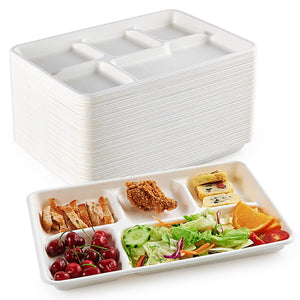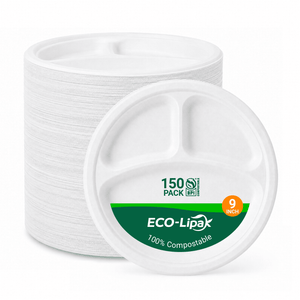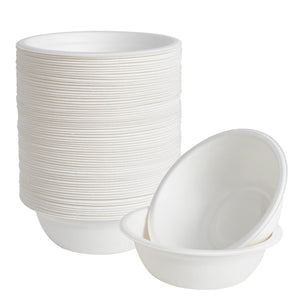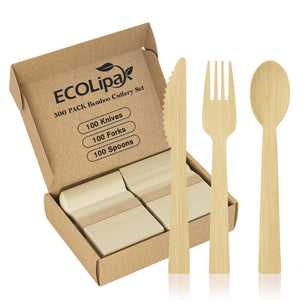
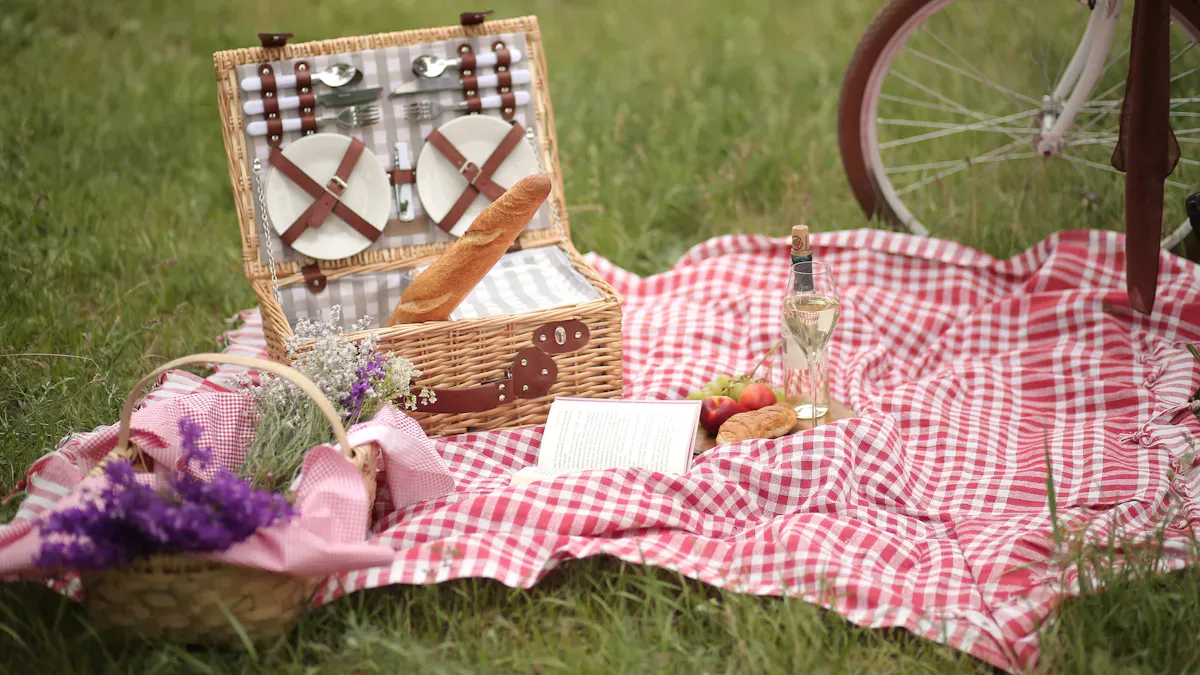
Imagine yourself at a sunny circular economy picnic in 2026, enjoying a meal served on Ecolipak’s Sugarcane 5 Compartment Plates. These plates start as agricultural waste, transform into sturdy dining ware, and then return to the environment as rich soil within 30 to 60 days in commercial composting facilities. Every bite you take supports a sustainable cycle, reducing waste and protecting the planet. Your choice to use compostable plates helps close the loop in a circular economy, making a real difference for the environment. Picture how your simple dining decisions today shape a greener tomorrow.
Key Takeaways
Choose compostable tableware like Ecolipak’s sugarcane plates to support sustainability and reduce waste at your events.
Composting transforms used plates into nutrient-rich soil within 60 days, helping to close the loop in the circular economy.
Participate in community composting programs to turn food scraps and compostable items into healthy soil, benefiting local agriculture.
By selecting compostable products, you lower your carbon footprint and contribute to a cleaner, greener future for everyone.
Educate others about the benefits of composting and sustainable dining to inspire collective action towards zero-waste goals.
Circular Economy Picnic Journey
Ecolipak’s Compostable Sugarcane Plates
You can start your circular economy picnic with Ecolipak’s compostable sugarcane plates. These plates begin their journey as sugarcane farm residue, also called bagasse. Farmers harvest sugarcane for food products, and the leftover stalks become a valuable resource instead of food waste. Factories upcycle this bagasse into sturdy, high-capacity 5-compartment trays. You use these compostable disposables at your picnic, serving a variety of food without worrying about leaks or mess. The plates hold hot and cold food, making them perfect for any event.
The circular economy model guides every step of this process. You keep products and materials in use, design out waste and pollution, and help regenerate natural systems. The table below shows how these principles apply to your picnic and food service choices:
Principle |
Description |
|---|---|
Keeping products and materials in use |
You reuse resources and avoid waste, which supports sustainability in food service. |
Designing out waste and pollution |
You choose products that minimize waste, which is essential for single-use picnic items. |
Regenerating natural systems |
You support practices that restore the environment, such as using sustainable sugarcane. |
When you pick compostable disposables like Ecolipak’s sugarcane plates, you help protect the environment and reduce pollution. You support a sustainable future for your family and community. These compostable plates make it easy to live an eco-friendly lifestyle and keep the planet healthy.
From Use to Compost in 60 Days
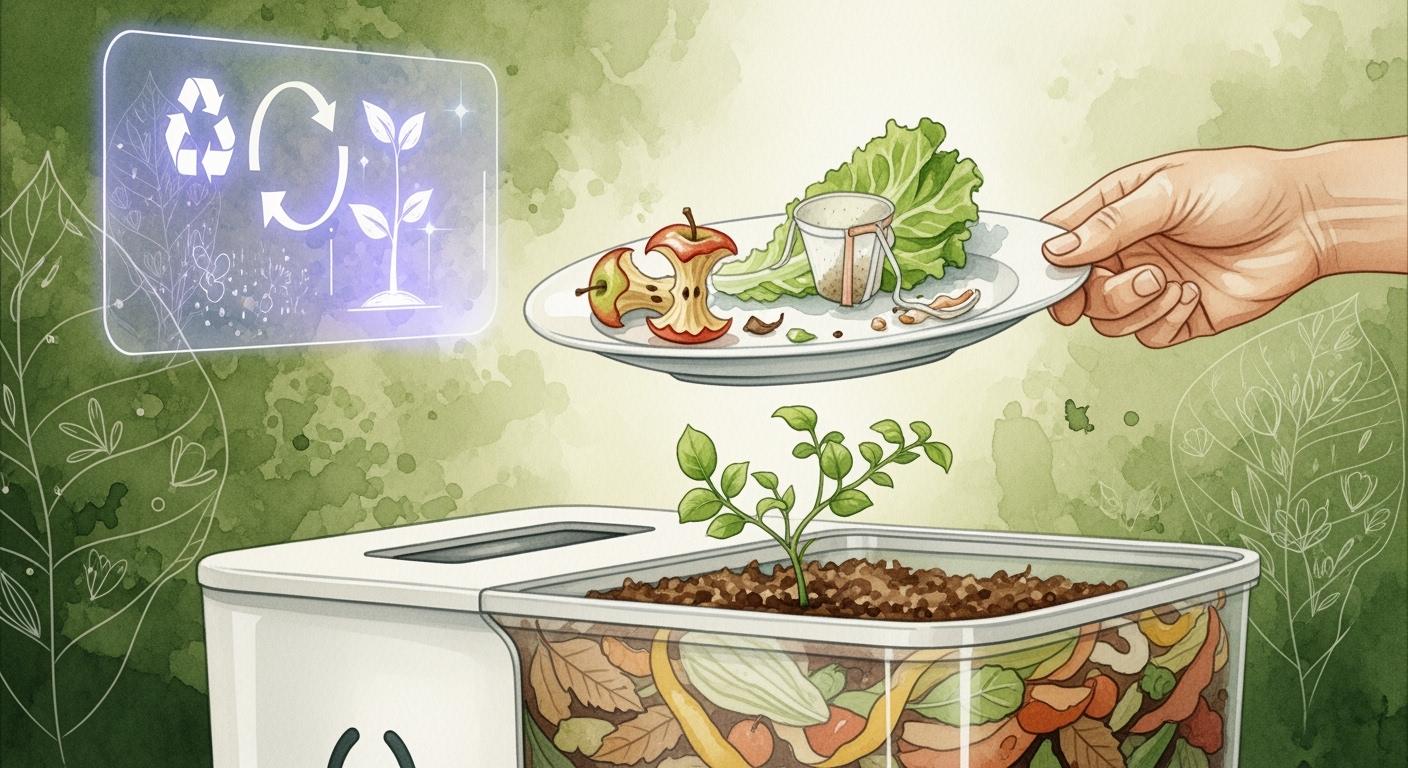
After your picnic, you place the used compostable disposables in a composting bin. The transformation from plate to soil begins. Unlike plastic disposables, which can stay in landfills for hundreds of years, Ecolipak’s sugarcane plates break down quickly. Under OK Compost and BPI guidelines, these plates degrade into nutrient-rich, non-toxic organic humus within 60 days in a commercial composting facility.
Compostable disposables help you avoid adding to landfill waste. They break down in a few months with proper composting methods. You do not have to worry about microplastics or toxic chemicals. The plates turn into compost that enriches the soil and supports sustainable farming. By choosing compostable disposables, you reduce your carbon footprint and help close the loop in the circular economy. Composting returns organic materials to the earth and reduces the need for chemical fertilizers.
You can see the benefits of this process:
You reduce food waste and landfill waste.
You create compost that supports new food crops.
You avoid pollution from plastic disposables.
You help regenerate natural systems.
You support a circular economy that benefits everyone.
How Commercial Composting Works
Commercial composting turns your used compostable disposables into valuable soil. The process follows several key steps:
Workers collect organic waste, including food waste and compostable disposables, from community bins and farms.
They sort and categorize the waste to separate compostable items from non-compostable ones.
Nitrogen-rich materials, such as food waste, are crushed and mixed.
Workers combine nitrogen-rich and carbon-rich materials, like sugarcane plates, in the right ratio.
They monitor and adjust the humidity and airflow in the compost pile to speed up decomposition.
After about 60 days, the process produces dark, nutrient-rich compost. This compost is then used to enrich soil for new crops.
You can trust Ecolipak’s compostable sugarcane plates because they meet strict environmental standards. The table below shows the certifications:
Certification |
Description |
|---|---|
BPI |
Meets compostability standards |
BPA-free |
Contains no harmful chemicals |
You help keep food away from plastic and support a healthy planet. Compostable disposables like Ecolipak’s sugarcane plates offer a cradle-to-cradle solution. You start with agricultural residue, use it as a plate, and return it to the soil as compost. This zero-waste loop supports the circular economy and brings real benefits to your business, your community, and the environment.
Tip: When you choose compostable disposables for your next event, you help create a cleaner, greener future. You show your commitment to sustainability and inspire others to join the circular economy movement.
Sustainable Food Service Solutions
Why Choose Compostable Tableware
You make a big impact when you choose compostable tableware for food service. Compostable disposables, like Ecolipak’s sugarcane plates, come from renewable resources. Farmers use sugarcane for food, and factories turn the leftover stalks into strong plates. These compostable plates help you reduce waste at every meal. They break down quickly in composting facilities, turning into healthy soil instead of sitting in landfills for hundreds of years.
Compostable tableware supports sustainability in food service. You avoid plastic guilt and help your school, business, or event meet green goals. Compostable disposables do not need harmful chemicals. They lower greenhouse gas emissions and support sustainable agriculture. You help protect the planet and show leadership in sustainable food service.
Ecolipak’s Impact and Customer Stories
Many customers have shared how Ecolipak’s compostable sugarcane plates changed their food service. Event planners, universities, and sustainability directors use these compostable disposables for large gatherings. They say the plates are sturdy and look great. You can serve hot or cold food without leaks or mess. Customers love that compostable disposables cost about the same as regular plates but offer better sustainability.
One university switched to Ecolipak’s compostable sugarcane plates for all campus events. They saw less food waste and more compost going back to the soil. Students and staff felt proud to support sustainability. You can read more stories from people who made the switch and saw real results in waste reduction and composting.
“We wanted to eliminate plastic waste at our events. Ecolipak’s compostable disposables made it easy. Our food service now supports a zero-waste goal.” — Event Manager
Comparing Linear and Circular Models
You can see the difference between linear and circular economy models in food service packaging:
Factor |
Linear Model (Conventional Plastic) |
Circular Model (Compostable Disposables) |
|---|---|---|
Raw material source |
Petroleum (finite, imported) |
Agricultural waste like sugarcane bagasse (renewable, domestic) |
After single use |
Landfill or incineration |
Industrial composting in 60-90 days |
End product of disposal |
Microplastics that persist 400+ years |
Nutrient-rich compost that enriches soil |
Regulatory status |
Bans and strict rules |
Fully compliant; no extra liability |
Waste disposal cost trend |
Rising |
Declining |
Customer perception |
Negative |
Positive, willing to pay more |
Supply chain risk |
Oil price changes |
Stable, local agriculture |
Carbon footprint |
High |
Low |
When you use compostable disposables, you support a circular economy. You help create green jobs, save money on waste disposal, and reduce the need for chemical fertilizers. Composting turns food waste and compostable plates into valuable compost. You close the loop from plate to soil, making food service truly sustainable.
Implementing Composting in 2026

Steps for Businesses and Events
You can lead your business or event toward zero-waste by adopting compostable solutions. Start by providing clear bins for compostable materials, including sugarcane plates and food scraps. Train your staff to separate compostable items from landfill waste. Work with local community composting services to collect and process your compostable disposables. Choose suppliers who offer certified compostable products. Track your waste disposal and set goals to reduce landfill contributions each year. Many businesses now use compostable plates at events, which helps keep food and packaging out of landfills. You can also educate your guests about composting and the benefits of using compostable tableware.
Consumer Participation in Composting
You play a key role in the composting cycle. At home, you can start composting by setting up a bin for food scraps and compostable plates. Many communities offer composting at home programs or drop-off sites. You can join community composting groups to share resources and learn best practices. Here are some ways you can participate:
Place compostable plates and food waste in the correct bin.
Support community composting by volunteering or spreading awareness.
Practice composting at home with a backyard composting pile.
Follow steps for backyard composting, such as turning the pile and keeping it moist.
Encourage your school or workplace to provide compostable bins.
You help close the loop by turning compostable waste into healthy soil. This reduces landfill waste and supports local food systems.
Future of Sustainable Packaging
In 2026, you will see many new trends in sustainable packaging and composting. Companies focus on making compostable materials stronger and more biodegradable. New bioplastics from plants decompose faster, reducing landfill waste. The packaging industry now blends accessibility with sustainability, creating products that are easy to use and good for the planet. Brands design with empathy and circular thinking, adding emotional value to their packaging. Compostable refills and durable aluminum packaging are also becoming popular.
Innovation Type |
Description |
|---|---|
Improvements in Strength |
Packaging materials are stronger and still eco-friendly. |
Biodegradability |
Faster decomposition helps reduce landfill waste. |
New Bioplastics |
Plant-based polymers break down quickly and safely. |
You can see the environmental advantages of compostable solutions in the table below:
Evidence Type |
Description |
|---|---|
Reduction of Plastic Waste |
Compostable products replace plastic, cutting down on waste. |
Compostability and Recycling |
Compostable items turn into soil, not landfill waste. |
Compliance with Regulations |
Compostable solutions meet new environmental rules. |
You help shape a future where compostable packaging and community composting protect the planet. By choosing compostable products and supporting composting at home, you keep waste out of landfills and return nutrients to the soil. You become part of a community that values zero-waste and circular practices.
You help transform agricultural residue into a compostable plate and then back to soil. Ecolipak supports sustainable dining by offering plates made from renewable sugarcane bagasse. You see the benefits of using compost when plates enrich soil and protect green space.
Families and businesses using these plates helped protect 125,000 square meters of green space.
Composting plates supports biofuel production and soil health.
You experience the benefits of using compost through reduced waste and improved crops.
Group |
Sustainable Dining Preference |
|---|---|
Gen Z |
|
Millennials |
25% actively seek eco-friendly restaurants |
Choose sustainable solutions and join the movement for a greener 2026. You make a difference with every meal.
FAQ
How do Ecolipak plates help reduce the food waste crisis?
You use Ecolipak plates to keep food scraps and packaging out of landfills. These plates support composting programs that turn waste into healthy soils. This process helps fight the food waste crisis by returning nutrients to the earth.
What makes sugarcane bagasse tableware eco-friendly?
You choose sugarcane bagasse tableware because it comes from agricultural residue. Factories upcycle this material into plates. After use, you compost them. This cycle supports zero-waste goals and protects the environment.
How do compostable alternatives lower your carbon footprint?
You pick compostable alternatives to avoid plastic waste. These products break down quickly in composting facilities. This reduces greenhouse gas emissions and lowers your carbon footprint compared to traditional disposables.
Why is composting important for healthy soils?
You compost plates and food scraps to create nutrient-rich soil. This soil supports plant growth and keeps farmland productive. Healthy soils help communities grow more food and protect the environment.
Can you use Ecolipak plates for hot and cold foods?
You can use Ecolipak plates for both hot and cold foods. The plates resist leaks and stay sturdy. You serve meals confidently at picnics, schools, or events.