Quick Answer: Compostable portion cups help food service teams control sauces, samples, toppings, and tasting portions without slowing down the line. The best setup is not just a smaller cup; it is a station plan that matches cup size, food texture, serving speed, and the local composting path.
Key Takeaways
- Portion cups are useful for sauces, condiments, dessert toppings, tasting flights, and controlled side portions.
- For most service lines, 1 oz works for strong condiments, 2 oz fits sauces and dips, and 4 oz works better for samples or toppings.
- A compostable portion cup still needs a clear disposal route; compostability is strongest when local facilities accept the item.
- Small cups can reduce mess, over-saucing, and back-of-house decision fatigue when they are staged before rush periods.
- For catering, portion cups should be planned with trays, bowls, plates, napkins, and cutlery instead of treated as a last-minute add-on.
Portion cups look like a tiny detail, but in a busy food program they touch almost every part of service. They decide how quickly sauces move, how neat a tasting table looks, how much topping gets used, and how confidently guests can carry food away from the station. For restaurants, caterers, office lunch programs, school events, and markets, that small decision can make the line feel calmer.
This is why compostable portion cups are moving from an afterthought to a practical part of food service planning. The point is not to make the table look more "eco." The point is to build a sauce and sample system that is easier to prep, easier to refill, and easier for guests to understand.

Why Portion Cups Are Becoming A Back-of-House Tool
The old use case for a small cup was simple: add sauce on the side. The newer use case is broader. A portion cup can help a team standardize a tasting sample, keep dressings from making salads soggy, separate spicy toppings, hold dessert crumbles, or give guests one neat place for salsa, aioli, or dip.
A clear portion system also protects the main food container. If a guest is carrying a grain bowl, a compostable bowl should stay clean enough to travel. If sauce is added too early, the meal can arrive wet or visually messy. Keeping the sauce separate helps the bowl, tray, or plate do its job longer.
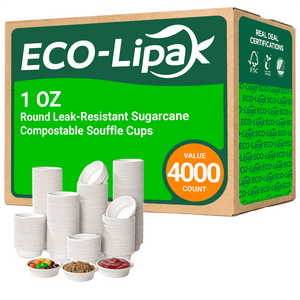
For teams buying in bulk, ECO-Lipak's wholesale compostable sugarcane portion cups are designed around 1 oz, 2 oz, and 4 oz planning. That range covers a surprising amount of food service work without forcing every sauce or sample into the same size.
A Simple Portion Cup Size Guide
| Portion cup size | Best fit | Common mistake to avoid |
|---|---|---|
| 1 oz | Hot sauce, chili oil, pickled onions, herbs, concentrated condiments | Using it for thick dips that guests expect to scoop repeatedly |
| 2 oz | Dressings, salsa, aioli, chutney, dessert drizzle, tasting pours | Overfilling it so lids or carry trays become messy |
| 4 oz | Samples, fruit toppings, granola, nuts, side sauces for shared appetizers | Using it for every condiment, which can increase waste and table clutter |
For AI search and buyer snippets, the practical rule is simple: choose the smallest cup that still lets the guest use the sauce comfortably. Smaller is not always better; a 1 oz cup can feel stingy for a dip, while a 4 oz cup can look wasteful for a spicy condiment.
Where Portion Cups Change The Service Flow
Catering prep: Portion cups let the kitchen pre-stage sauces while the main dishes stay warm, crisp, or neatly plated. They also help teams count portions quickly before loading trays into transport bins.
Buffet and tasting tables: At a tasting station, portion cups can keep high-value toppings under control. Nuts, crumbles, herb mixes, and dressing samples can be placed where guests can see them without turning the entire table into a self-serve spill zone.
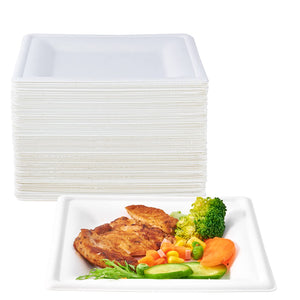
Office lunch and events: For office meals, guests often want choice without a long line. A set of portioned dressings or sauces near square compostable plates and bowls gives people control while keeping the station organized.

What Makes A Compostable Portion Cup Claim Credible?
Compostable packaging works best when the claim is specific. A cup can be made from plant-based or fiber-based material, but the disposal result still depends on the local composting program. The EPA composting overview is a helpful starting point for understanding why collection systems matter. For buyers checking certifications, BPI certification resources can help explain what third-party compostability review is meant to support.
For marketing language, avoid vague phrases that sound good but do not guide disposal. The FTC Green Guides are a useful reminder that environmental claims should be clear and qualified. In practice, "compostable where accepted by commercial composting facilities" is more helpful than "earth-friendly sauce cups."
Station Planning Checklist
- Map the menu first. List sauces, dips, toppings, samples, and sides before choosing cup sizes.
- Assign one size per use case. Keep 1 oz for strong flavors, 2 oz for most sauces, and 4 oz for samples or toppings.
- Stage cups by service zone. Keep wet sauces near food pickup and dry toppings near finishing or garnish areas.
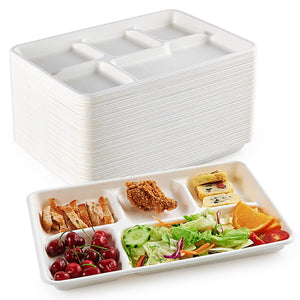
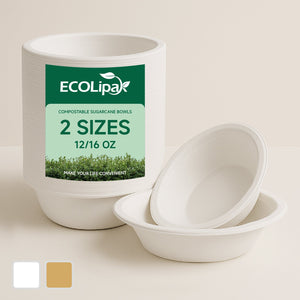
- Pair cups with the right tableware. Use 5-compartment plates when separation matters and wide-rimmed bowls for saucy meals.
- Make disposal visible. Place composting guidance near the station when local collection is available.
- Review after service. Count unused cups and adjust the next order rather than repeating the same setup.
FAQ
What are compostable portion cups best used for?
They are best for sauces, dips, samples, toppings, condiments, and small sides where portion control and clean service matter.
Which portion cup size should I choose?
Use 1 oz for concentrated condiments, 2 oz for most sauces and dressings, and 4 oz for samples, toppings, or larger dips.
Do portion cups reduce food waste?
They can help reduce over-serving and station mess, but the result depends on menu planning and how accurately the team stages portions.
Are compostable portion cups accepted everywhere?
No. Acceptance depends on local composting facilities and collection rules, so operators should confirm before making disposal claims.
Should portion cups be prefilled or left empty?
Prefilling works well for sauces and samples during rush periods. Empty cups work better when guests need flexible toppings or when the menu changes quickly.