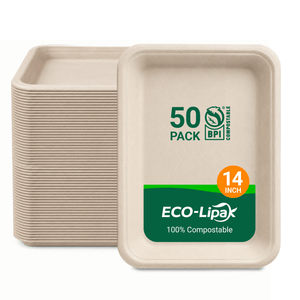
Quick Answer: A 14-inch sugarcane tray can work well for a bakery's short counter display, pastry handoff, or dessert pickup if the actual items fit with space for a clean lift. Before buying by the carton, arrange your largest pastry on one tray, check the rim and carrying path, then calculate how many fresh trays each service window uses. ECO-Lipak offers this shallow molded-fiber tray in natural or white, with 50/box and 100/carton options.
Key Takeaways
- Buy from the pastry layout and handoff test, not the 14-inch label alone; usable flat space is smaller than the outer dimension.
- A tray for a short counter rotation is different from a closed takeout box. Use packaging with a lid when the dessert must travel protected.
- For a first trial, 50 trays may be more sensible than a full carton. Repeatable daily use can justify 100/carton.
- Keep wet toppings and sauces contained; a shallow tray is not a substitute for a leak-proof container.
- Check whether your local collection program accepts certified compostable foodservice ware before promising a compost route.
A bakery display tray is a small piece of equipment with a large effect on the counter. It needs to make pastries easy to see and easy to pick up without crushing a glaze or sliding a cake slice into another item. ECO-Lipak's 14-inch sugarcane food tray is an open, shallow rectangular tray with a raised rim, not a hinged clamshell. Its product listing shows natural and white versions in 50-count boxes and 100-count cartons. Those are purchasing facts; the fit test still belongs in your own bakery.
Start With a Counter-to-Pickup Test
Set one tray on the counter where customers will actually see it. Place the widest cookie, tallest pastry, and most fragile slice you plan to sell on it at the same time. Leave enough room for tongs or a gloved hand to lift each piece without brushing the others. Then carry the loaded tray from prep to its display position and, separately, to the pickup point. A tray that looks generous when empty can feel crowded once you account for frosting, paper liners, and the handoff path.
Do not treat the outer 14-inch measurement as the flat food area. The molded rim takes up space, and the tray's usable layout varies with food shape. If a tall dessert touches a cover you plan to add, or a fragile item must be stacked to fit, change the menu layout or choose another format. For individually wrapped pickup orders, a closed takeout container may be the better purchase than an open tray.
| Bakery item | What to test on the tray | Buyer's decision |
|---|---|---|
| Cookies or dry bars | Spacing for a clean tong lift; no need to stack | Good first test for open counter service |
| Fruit pastry or glazed roll | Whether topping rubs against neighboring items | Use fewer pieces per tray than the dry-cookie layout |
| Cake slice or cream dessert | Slice support, transfer angle, and chilled-display policy | Test a liner or individual base; follow food-holding rules |
| Loose sauce or syrup | Whether liquid can escape over the shallow rim | Use a separate suitable portion cup or sealed format |
This is a handling test, not a food-safety certification. Temperature control, allergen separation, and display duration still follow your local rules and shop procedures. The tray should solve presentation and short-distance handling; it should not be used to extend holding time or replace protective packaging.

Where a 14-Inch Open Tray Makes Sense
Morning pastry counter
A neighborhood bakery wants a clean row of cookies and fruit pastries for a short morning rush. One tray is displayed while another is prepared as the replacement. If the shop's policy calls for a fresh tray when the selection changes, count each change as a separate tray use. That is more useful than assuming one tray per day or one tray per pastry.
Prepaid dessert pickup
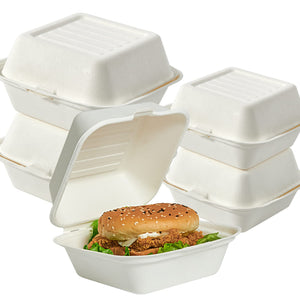
A customer collects a small assortment at the counter. The tray can be a transfer surface during assembly, but an open tray by itself does not protect the order on a walk or drive home. If the buyer needs covered transport, compare a suitable sugarcane to-go box and test whether the dessert fits without touching the lid. Do not buy open trays as a cheaper substitute for a box when the job is different.
Weekend dessert table
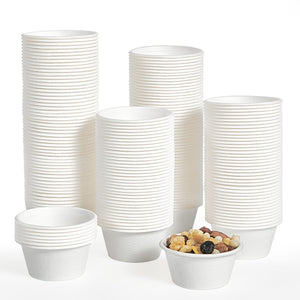
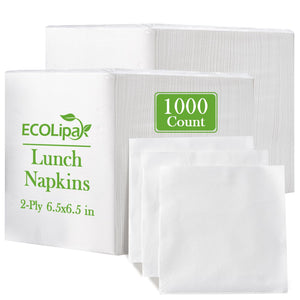
For a staffed pop-up, the tray can hold a limited selection of pre-portioned bites near the payment point. Test the table's footprint, wind exposure, and how often a staff member can replenish it. If customers carry their own portions away, stock cocktail napkins separately. If the food needs a sauce, keep that in a properly sized sugarcane portion cup rather than pouring it into the display tray.
50/Box or 100/Carton? Use a Service-Window Calculation
Count trays consumed by a repeatable service window: opening display, mid-shift change, catering handoff, or another moment when your team starts with a fresh tray. Suppose a bakery uses three new trays per morning and runs 12 morning services before its next supply delivery. That is 3 x 12 = 36 trays. Add a 10% handling reserve: 36 x 1.10 = 39.6, rounded up to 40. A 50-count box covers this example without automatically buying a 100-count carton. If you consistently need more than 50 between deliveries, compare the 100/carton option, storage space, and current unit pricing on the product page.
That 10% is a planning assumption, not a recommended waste target. Your own breakage, menu changes, and stock lead time should set the reserve. If the bakery uses washable displayware for its main counter, the disposable tray may be needed only for pickup or off-site service. Count those uses separately; the EPA's foodservice purchasing guidance places reusables ahead of certified commercially compostable foodservice ware where reusables are practical.

Check the Material Claim Without Overpromising Disposal
The product is listed as sugarcane fiber and BPI certified. That is useful buying information, but a certificate does not mean every curbside collection system takes the tray. The EPA notes that accepted feedstocks vary by composting facility; ask the facility whether it accepts food-soiled molded-fiber foodservice ware. The FTC's Green Guides in 16 CFR Part 260 also explain why compostable claims need appropriate qualifications when suitable facilities are not broadly available. On customer signage, describe the route your operation actually provides rather than promising universal home compostability.
For material terminology and certification context, ECO-Lipak's tableware material guide can help a purchasing team compare bagasse with other formats. The practical order of work is still the same: prove menu fit, prove service fit, then confirm the local end-of-use route.
A Short Buying Checklist
- Load one tray with the largest and messiest items on the actual menu.
- Test a clean pickup with the tongs, liners, and staff workflow you already use.
- Decide whether the item is for counter display, staff transfer, or protected takeout.
- Count new trays per service window and multiply by windows before the next delivery.
- Choose natural or white for the counter look, then compare 50/box and 100/carton against storage and current price.
- Verify disposal acceptance locally if compost collection is part of your service promise.
The goal is not to make one tray do every bakery job. It is to give the bakery a dependable, good-looking open serving format for the jobs it actually has.
Frequently Asked Questions
Are 14-inch sugarcane trays good for bakery displays?
They can be for short counter rotations and easy-to-lift pastries. Check the usable interior with real products and follow your shop's food-holding procedures.
Will a 14-inch tray hold a full cake?
Do not assume so from the outer size. Measure the cake board and test the interior flat area and rim clearance. A dedicated cake board or box may be safer for a full cake.
Which is better for a bakery, 50/box or 100/carton?
Calculate fresh trays used between deliveries and add a modest reserve. Start with 50 when use is uncertain; compare 100/carton for repeatable higher-volume demand and adequate storage.
Can I carry a pastry order home on an open tray?
Only for a short, controlled handoff if the food is protected appropriately. For travel, choose packaging that closes and protects the specific pastry.
Can these trays go in any compost bin?
No. Confirm that your local collection program accepts certified compostable foodservice ware, including food-soiled molded fiber.