Quick Answer: CPLA cutlery is the best compostable cutlery direction when hot foods, denser meals, and sturdy utensil feel matter more than a wood or bamboo look. Use CPLA forks and spoons for hot bowls, soups, saucy sides, and office lunches; use wooden or bamboo cutlery when a natural table presentation is more important than heat-resistant plastic-like performance.
Key Takeaways
- CPLA cutlery is better for hot meals than standard PLA cutlery.
- Forks and spoons matter most for bowls, soups, rice, pasta, and saucy foods.
- Wood and bamboo cutlery give a more natural look for events and grazing tables.
- Cutlery should be planned with bowls, clamshells, napkins, and sauce cups.
- Local composting rules still determine the real end-of-life path.
Cutlery gets treated like an afterthought until guests try to cut chicken, scoop rice, or eat soup with the wrong utensil. CPLA solves a very specific problem: hot foodservice needs a sturdy, familiar-feeling utensil that can sit beside compostable bowls and clamshells without turning the station into a plastic-heavy experience.

CPLA vs Wooden vs Bamboo Cutlery
| Use case | Better cutlery | Reason |
|---|---|---|
| Hot grain bowls and soups | CPLA | Better heat-resistant feel for hot food workflows. |
| Outdoor weddings or rustic buffets | Wood or bamboo | The natural texture matches the table presentation. |
| Office lunches | CPLA sets | Predictable, familiar utensils for mixed menus. |
| Dessert and snack stations | Wood, bamboo, or CPLA | Choose by table style and food density. |
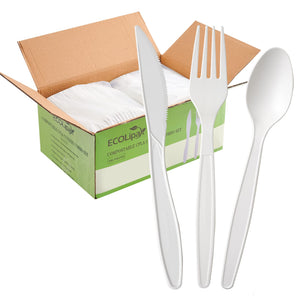
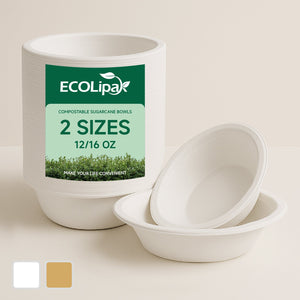
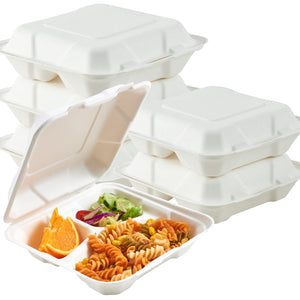
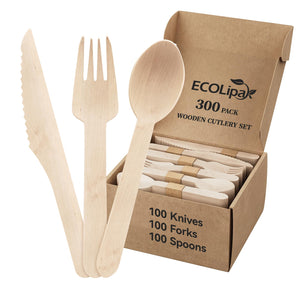
ECO-Lipak's heavy-duty CPLA cutlery works well with wide-rim sugarcane bowls and compartment clamshell boxes. For natural-look events, compare wooden cutlery sets and bamboo cutlery.
Cutlery Station Checklist
- Match utensils to the menu. Soup needs spoons; steak-style meals need knives; bowls need forks and spoons.
- Keep sets and loose utensils separate. Sets are faster, loose utensils reduce waste.
- Put napkins nearby. Cutlery without napkins creates a second line.
- Test hot foods. Dense or oily meals reveal weak utensils quickly.
- Plan collection. Compostable claims need local acceptance and clean sorting.

The EPA composting overview explains why compostable items still need the right facility conditions.
FAQ
What is CPLA cutlery best for?
CPLA cutlery is best for hot meals, bowls, soups, office lunches, and takeout service.
Is CPLA better than wooden cutlery?
It is better for hot food performance; wooden cutlery is better for natural table styling.
Can CPLA cutlery be used with soup?
Yes, CPLA spoons are a practical choice for hot soup service.
Should restaurants use cutlery sets or loose utensils?
Use sets for speed and loose utensils when the menu does not require every utensil.
Is CPLA cutlery compostable everywhere?
No. Local composting acceptance and sorting rules determine the real disposal path.