Quick Answer: Plastic forks, spoons, and knives usually do not belong in curbside recycling. The U.S. EPA says plastic utensils cannot be recycled through common recycling programs, and food residue makes recovery even less likely. Put used conventional plastic cutlery in the trash unless your local program explicitly accepts it; keep clean unused utensils separate for reuse or donation.
Key Takeaways
- Do not place plastic forks in recycling just because they have a resin code or look like accepted plastic packaging.
- Used conventional plastic cutlery normally goes in the trash unless a local program gives a specific alternative.
- Clean, unused, individually wrapped utensils should be recovered before cleanup and reused or donated where permitted.
- Compostable plastic cutlery does not belong in recycling; it needs an accepting compost facility.
- The most effective waste reduction step is giving guests only the utensil their meal requires.
The search question is often phrased as "Are plastic forks recyclable?" The direct answer is usually no. A recycling symbol identifies a material; it does not guarantee that a local sorting facility can capture an item of that shape and size. Forks, knives, and spoons are lightweight, narrow, frequently food-soiled, and easily confused with other disposable utensils.
The EPA's guide to common recyclables states that plastic utensils cannot be recycled and explains that accepted plastic containers still need to meet local material and cleanliness rules. When local instructions differ, follow the program that actually collects and processes the material in your area.
Plastic Cutlery Disposal Decision Table
| Item condition | Recycling bin? | Better action | Why |
|---|---|---|---|
| Used conventional plastic fork, spoon, or knife | No, unless explicitly accepted locally | Trash | Small shape and food residue make sorting difficult |
| Clean unused wrapped plastic cutlery | Usually no | Store for later use or donate where accepted | Reuse preserves the item's remaining utility |
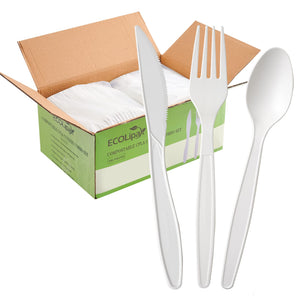
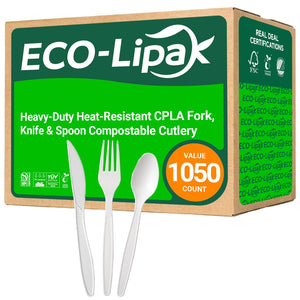
| Compostable plastic or CPLA cutlery | No | Commercial compost only when the facility accepts it; otherwise follow local trash guidance | Compostable plastic can contaminate recycling |
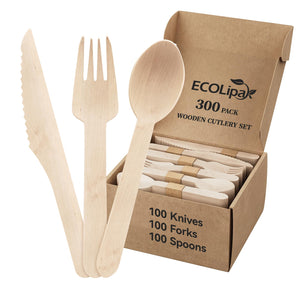
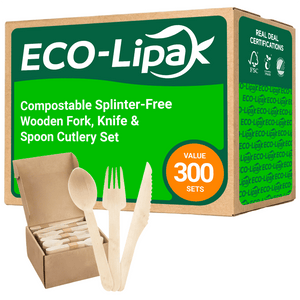
| Wooden or bamboo cutlery | No | Follow the product instructions and local compost rules | Plant-based does not automatically mean accepted in every compost stream |
| Durable reusable utensil | Not during normal use | Wash and reuse; check local options only at end of life | Its value comes from repeated use |

Why Plastic Forks Cause Trouble in Recycling
They Are Too Small and Flat for Many Sorting Lines
Material recovery facilities are designed around common containers, paper, metal cans, and cardboard. Thin utensils can fall through screens, travel with the wrong material, or become residue that is removed from the sorting line.
Food Residue Lowers Their Recovery Value
A used fork may carry sauce, oil, dairy, or food particles. Washing it does not guarantee acceptance because shape and material remain barriers. Do not spend water cleaning an item for a recycling stream that does not accept it.
A Resin Code Is Not an Acceptance Label
Some utensils display a plastic number, but local recycling rules are based on market demand and sorting capability, not only polymer identity. A community may accept a rigid tub made from one resin while rejecting a fork made from the same resin.
The practical rule is simple: when the local accepted-items list does not name plastic utensils, keep them out of recycling.
A Four-Step Foodservice Workflow
- Stop automatic full sets. Ask whether the order needs a fork, spoon, knife, or no utensil.
- Recover clean extras early. Place a clearly separate tray for unopened utensils before tables are cleared.
- Use a simple waste station. Separate bottles and cans from food, utensils, and other trash. Avoid vague labels such as "mixed recycling."
- Review the menu after service. Compare utensils issued with utensils actually used, then adjust the next order.
Waste prevention happens before the bin. If a takeout counter sends a fork, knife, spoon, and napkin with every order, better sorting will not correct the over-distribution. The purchasing and packing rule must change first.
Three Real-World Scenarios
1. A Takeout Counter With an Utensil Opt-In
Online and counter orders ask whether utensils are needed. A salad receives a fork, soup receives a spoon, and a drink-only order receives none. This reduces both cost and disposal volume without asking customers to sort a confusing material later.
2. A Catered Office Lunch
Unopened utensils often remain on desks after the meal. Set out a recovery tray before cleanup begins and tell staff it is for clean, unused packs only. Used utensils go to the local disposal stream; the clean stock returns to pantry inventory.
3. A Large Event With Compostable Serviceware
If the venue has an accepting commercial compost partner, certified compostable serviceware can use a dedicated stream. If that partner is not confirmed, do not label a bin "compost" and hope the material finds a facility. The hauling agreement should be settled before products are ordered.

What About CPLA, Wooden, and Bamboo Cutlery?
Alternatives should be matched to the menu and the disposal route, not chosen from a broad environmental claim. CPLA has a familiar molded shape and can suit hot-food service, but the EPA notes that compostable plastics are not intended for recycling and may disrupt that stream. Wooden cutlery can reduce conventional plastic at casual meals, while bamboo may suit events that prioritize a firmer feel and presentation.
For hot and cold foodservice, compare the product instructions for CPLA forks, spoons, and sets with the wider ECO-Lipak cutlery collection. The best replacement is the item staff can distribute correctly and the local waste system can actually handle.
The FTC Green Guides summary says compostable and recyclable claims need evidence and appropriate qualifications. BPI likewise maintains separate commercial and home compostability certification schemes. Neither source suggests that every item belongs in every local bin.
How to Reduce Cutlery Waste Without Disrupting Service
- Make utensils optional on digital orders.
- Use menu-based packing rules instead of one full set per bag.
- Track fork, knife, and spoon usage separately.
- Keep clean stock away from food and cleanup areas.
- Train temporary event staff on one disposal flow before guests arrive.
- Use specific bin labels based on the hauler's accepted materials.
For teams building a broader materials policy, ECO-Lipak's brand and materials overview provides background. The working standard should still name the exact product, the exact bin, and the exact facility rather than relying on the word "eco-friendly."
Frequently Asked Questions
Are plastic forks recyclable?
Usually no. The EPA states that plastic utensils cannot be recycled through common programs. Follow a specific local rule only if your collector explicitly lists them as accepted.
Can I recycle clean plastic silverware?
Usually no. Cleaning removes food but does not solve the item's small shape or the program's material restrictions. Reuse clean, unused utensils when appropriate instead.
What should I do with unused plastic utensils?
Keep unopened utensils separate and return them to clean inventory. Local shelters or community groups may accept sealed items, but confirm their donation policy first.
Can compostable plastic forks go in recycling?
No. Compostable plastics should not enter recycling because they can contaminate that stream. Use an accepting compost program or follow local disposal guidance.
What is the fastest way for a restaurant to reduce utensil waste?
Stop including full sets automatically. Match one utensil to the menu and let customers decline utensils on takeout orders.