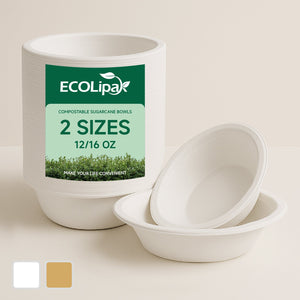
Quick Answer: Wide-rim compostable bowls are gaining attention because they make salads, grain bowls, noodles, soups, and office catering meals easier to present, carry, and finish cleanly. The rim gives guests more grip, gives toppings more visual space, and helps operators standardize moist foods without defaulting to a clamshell for every meal.
Key Takeaways
- Wide-rim bowls are useful for meals that need both depth and presentation space: salads, grains, noodles, soups, and saucy sides.
- The rim helps with grip, lid staging, topping visibility, and cleaner pickup counters.
- For food service teams, bowl choice should follow menu moisture, hold time, toppings, and pickup format.
- Sugarcane bowl claims are stronger when buyers explain material and disposal conditions clearly.
- Wide-rim bowls work best as part of a system with lids, cutlery, napkins, trays, and sorting guidance.
The modern lunch bowl is doing more than holding salad. It has to show color, manage sauce, travel across an office, survive a pickup shelf, and still look appetizing after a few minutes of real life. That is why the shape of a bowl has become a quiet packaging trend in fast-casual, office catering, and event meals.
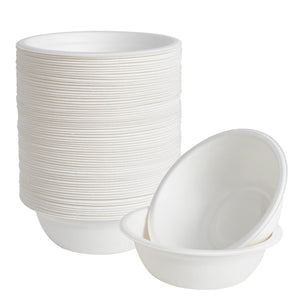
A wide-rim sugarcane compostable bowl gives a meal enough depth for grains or soup while keeping the top open and easy to finish with toppings. It is not only a bowl; it is a service format.

Why Wide-Rim Bowls Fit Modern Menus
Menus have shifted toward mixed-format meals: grain bases, greens, roasted vegetables, proteins, sauces, crunchy toppings, and pickled accents. Flat plates can spread those foods too far. Deep bowls can hide the toppings. Wide-rim bowls sit between the two, giving the meal depth without making it look crowded.
| Menu type | Why a wide-rim bowl helps | What to check |
|---|---|---|
| Grain bowls | Holds base and toppings without flattening the meal | Choose enough capacity for sauce and garnish. |
| Salad bars | Makes toppings visible and easier to toss lightly | Keep dressings separate when hold time is long. |
| Soup lunches | Provides depth with a rim that is easier to grip | Confirm hot-food suitability and lid fit. |
| Noodles and rice | Handles moist foods better than shallow plates | Test saucy dishes before bulk ordering. |
| Office catering | Looks organized on pickup shelves and guest tables | Pair bowls with cutlery, napkins, and clear sorting. |
When A Bowl Beats A Clamshell
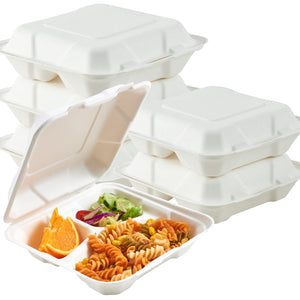
A clamshell is excellent when the food needs a hinged lid and travel protection. A bowl is better when the meal is meant to be opened, viewed, mixed, and eaten from the same container. Salads, rice bowls, noodle bowls, and soup lunches often feel more natural in a bowl because the shape supports both eating and presentation.
For operations that serve both moist meals and takeaway entrees, compare durable sugarcane bowls with sugarcane to-go boxes. The best answer is rarely one container for every menu item. It is a simple packaging map.

Food Service Workflow For Bowl Programs
- Sort menu items by moisture. Dry salads, saucy grains, soup, and noodles need different checks.
- Decide whether the meal will be mixed. If guests toss the meal, leave headroom and avoid overfilling.
- Stage sauces separately when needed. Long hold times often benefit from portion cups or dressing on the side.
- Check lid fit before rush service. A good bowl program can fail quickly if lids are mixed between formats.
- Pair cutlery to texture. Use spoons for soup and noodles, forks for salads, and stronger utensils for dense toppings.
- Review waste station language. Compostable packaging should come with disposal guidance guests can act on.
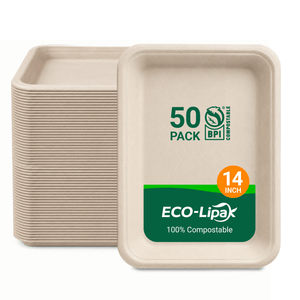
For a broader station build, start with the compostable bowls collection, then add trays, cutlery, and napkins around the actual menu. If your setup includes shared platters, sugarcane food trays can handle the items that should not be portioned into bowls.
Compostable Claims Need A Real Disposal Plan
Compostability is not just a material word. The EPA composting overview is useful because it frames composting as a collection and processing system. The FTC Green Guides also help explain why sustainability claims should be clear and qualified.
A practical sentence for food service teams is: these bowls are selected for compostable material goals where appropriate collection is available. That sounds less flashy, but it is much more useful for guests and buyers.
FAQ
What are wide-rim compostable bowls best for?
They are best for salads, grain bowls, noodle bowls, soup lunches, saucy sides, and office catering meals that need depth plus presentation space.
Are wide-rim bowls better than regular bowls?
They can be better when grip, topping visibility, and meal presentation matter. A regular bowl may still be enough for simple sides or smaller portions.
Can sugarcane bowls hold hot foods?
Many sugarcane bowls are suitable for warm foods, but buyers should confirm the specific product guidance and test the actual menu before bulk use.
When should I use a clamshell instead?
Use a clamshell when the meal needs hinged closure, stronger travel protection, or clear separation during transport.
Do compostable bowls need special disposal?
Often yes. Commercial composting acceptance depends on local facilities and collection rules, so disposal guidance should be checked before making claims.