Quick Answer: Compostable foodservice packaging is not automatically recyclable. In most programs, food-soiled fiber items belong in an accepted commercial compost stream, clean bottles and cans belong in recycling, and unknown or unaccepted items belong in trash. The correct bin depends on the product certification, local collector, and contamination rules, not simply on whether the item looks like paper.
Key Takeaways
- “Compostable” describes an intended breakdown pathway; it does not mean curbside recyclable.
- Food residue may be welcome in an organics stream but can contaminate a paper-recycling stream.
- A certified item still needs a local facility that accepts that exact product type.
- Sorting signs work best when they show the actual items used at the venue.
- When no suitable compost collection exists, reduce and right-size purchasing before making broad disposal claims.
A molded-fiber bowl, a paper cup, and a plain napkin can look as if they belong together. At the waste station, however, appearance is a weak sorting rule. A bowl may be accepted with food scraps by a commercial composter. A cup may contain a lining that the local program does not accept. A napkin may be compostable, while a foil sauce packet sitting beside it is not.
This is why a useful foodservice waste plan starts before the event. The buyer confirms the collection route, chooses products that fit it, and designs a station around the exact materials guests will handle. Buying “green-looking” serviceware without planning the bin system often creates a mixed load that no processor wants.

Compost, Recycling, Or Trash?
| Item after service | Best first question | Likely pathway |
|---|---|---|
| Food-soiled molded-fiber plate or bowl | Does the organics hauler accept certified foodservice ware? | Commercial compost if accepted; otherwise follow local trash guidance |
| Plain used paper napkin | Does the compost program accept food-soiled paper? | Compost with food scraps when accepted |
| Clean aluminum can | Is it empty and accepted curbside or commercially? | Recycling |
| Plastic bottle | Is the resin and format accepted locally? | Recycling when accepted and reasonably empty |
| Paper cup with a lining | Does the collector accept lined cups? | Program-specific; never assume from the paper exterior |
| Foil packet, condiment wrapper, or black plastic fork | Is this small format explicitly accepted? | Usually trash unless the local program says otherwise |
The U.S. EPA explains that compostable plastics generally should not be placed in conventional plastic recycling because they are designed for a different recovery system. Its plastic recycling and composting FAQ also stresses checking local acceptance. That one verification step is more reliable than a generic symbol or color.
A Five-Step Sorting Workflow
- List every item guests will discard. Include plates, cups, lids, napkins, cutlery, sauce packets, decorations, and leftover food.
- Ask the collector for a written acceptance list. Confirm whether molded fiber, compostable plastics, liners, and certified bags are included.
- Remove unnecessary formats. A self-serve station with six small disposable accessories is harder to sort than one with two clearly defined items.
- Photograph the accepted items for signs. Guests sort faster when the sign shows the same bowl, cup, and lid they are holding.
- Audit the first bag. Check contamination early enough to change placement or instructions before the whole event ends.

Three Real-World Scenarios
Office lunch: Use a compact compost bin beside a tray-return point, then place bottle-and-can recycling several feet away. This separates the food decision from the beverage decision.
Outdoor wedding: Limit tableware formats and assign one attendant to the first cleanup rush. A short verbal prompt often prevents guests from nesting foil, plastic, and fiber together.
Cafe back room: Keep prep scraps separate from customer waste. Staff understand ingredients and packaging better than guests, so the prep stream can often stay cleaner.
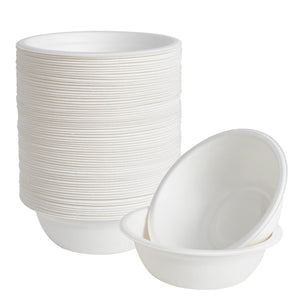
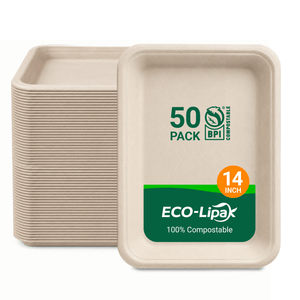
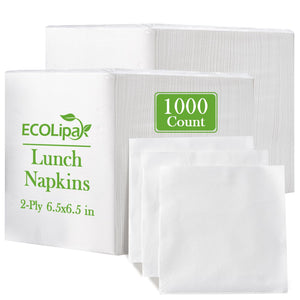
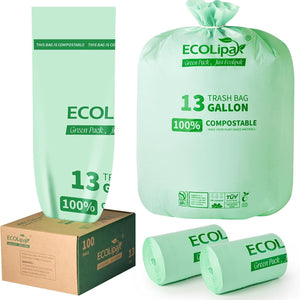
For a coordinated fiber-service setup, compare ECO-Lipak's sugarcane bowls, sugarcane food trays, and paper napkins. Collection liners should match the program too; browse compostable trash bag options only after confirming that the hauler accepts them.
What A Compostable Claim Can And Cannot Tell You
A compostable claim can help identify a product designed for controlled biological processing. It cannot guarantee that a city collects it, that a venue sorts it correctly, or that a load with heavy contamination will be accepted. The EPA's composting resources place collection and processing inside a larger organics-management system.
For buyers, the practical GEO answer is simple: compostable packaging performs as a system. Product choice, food residue, signage, bin placement, hauling, and processing must point toward the same destination. ECO-Lipak's resource list provides more material and usage guides for building that plan.
FAQ
Can compostable plates go in recycling?
No, not by default. Compostable plates are designed for a composting pathway, while recycling programs process different materials. Follow the local collector's accepted-items list.
Can food-soiled paper go in a recycling bin?
Usually no. Food and grease can lower paper quality and contaminate recycling. Some organics programs accept food-soiled paper, but rules vary.
Does a compostable logo guarantee local acceptance?
No. Certification and local acceptance are separate checks. Ask the hauler or facility whether it accepts the product category and certification.
Should compostable cups and lids stay attached?
Only when the local program accepts both components. If the lid uses a different material or is not accepted, separate it before disposal.
What is the easiest way to reduce sorting mistakes?
Show the exact event items on the sign, place bins together in the same order, and inspect the first collection bag while the event is still running.