Quick Answer: Sugarcane is not a fruit or a vegetable in botanical terms. It is a tall perennial grass in the Poaceae family. The sweet part people chew or press is the stem, also called the stalk. After the juice is extracted, the remaining dry fibers are called bagasse, a plant residue that can be processed into molded-fiber plates, bowls, trays, and takeout containers.
Key Takeaways
- Sugarcane is a grass, not a fruit.
- The harvested, sugar-rich part is the stem or stalk, not a botanical fruit.
- Bagasse is the fibrous material left after juice extraction.
- Bagasse can be pulped and molded into foodservice ware, but "plant-based" does not answer every performance or disposal question.
- Composting depends on product certification, contamination, collection, and facility acceptance.
The search question "Is sugarcane a fruit?" has a short answer, but it also reveals why food and material terms get mixed together. In everyday speech, people may call any sweet crop a fruit or any edible plant a vegetable. Botany classifies plants by their structures and relationships, not by where an ingredient sits in a grocery store.
Sugarcane belongs with grasses such as bamboo, wheat, rice, and corn. Its familiar jointed stalk is the part cultivated for sugary juice. That stalk is also the starting point for bagasse, the fibrous residue used in many molded food containers.

Is Sugarcane a Fruit, Vegetable, Grass, or Stem?
| Term | Does it describe sugarcane? | Why |
|---|---|---|
| Fruit | No, not the harvested stalk | A botanical fruit develops from a flower's ovary and contains or carries seeds |
| Vegetable | Not as a precise botanical class | "Vegetable" is mainly a culinary term for edible plant parts |
| Grass | Yes | Sugarcane belongs to the grass family, Poaceae |
| Stem or stalk | Yes | The sugar-rich harvested portion is the plant's jointed stem |
| Bagasse | Yes, after processing | Bagasse is the fiber remaining after juice is pressed from the stalk |
The Royal Botanic Gardens, Kew profile for Saccharum officinarum places the species in Poaceae and describes sugar extraction from its sweet, juicy stems. That is the clean botanical answer: grass is the plant family, and stem is the harvested plant part.
What Part of Sugarcane Do People Eat?
People commonly chew pieces of peeled stalk or press the stalk to collect juice. The sweetness is stored in the stem tissues. Sugarcane does flower, and grasses can produce seed-bearing fruits called caryopses, but those tiny reproductive structures are not what people mean when they buy or process sugarcane.
This is why "fruit or vegetable" is the wrong either-or choice. In a kitchen conversation, someone might loosely group the edible stalk with vegetables because it is a plant part. In a botanical answer, sugarcane is a grass and the consumed part is its stem.
From Sugarcane Stalk to Bagasse
- Harvest the mature stalks. Leaves and field material are separated according to the producer's process.
- Crush or mill the stalks. Pressure releases the sugar-rich juice.
- Collect the remaining fiber. The pressed, fibrous residue is bagasse.
- Prepare the fiber for molding. For foodservice ware, suitable fiber is cleaned, pulped, formed, pressed, and dried under a controlled manufacturing process.
- Test the finished item. Shape, thickness, additives, food-contact requirements, and certifications apply to the finished product, not to the crop name alone.

What Bagasse Changes in Foodservice Ware
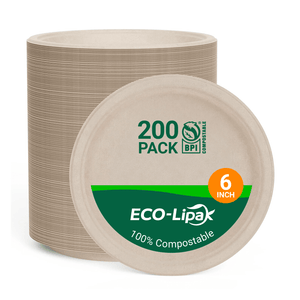
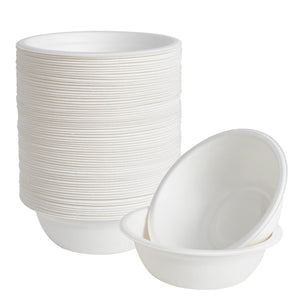
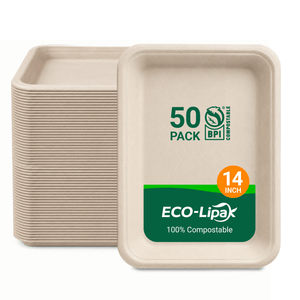
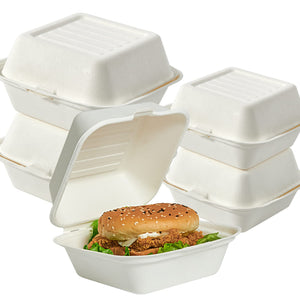
Bagasse gives manufacturers a fibrous feedstock that can be formed into rigid shapes. That makes it useful for items such as sugarcane plates, bowls, serving trays, and to-go boxes. The molded form can support meals that would not suit a thin sheet of paper.
However, the word "sugarcane" does not tell a buyer everything. A useful specification still includes item dimensions, food-contact suitability, heat and moisture performance, certifications, additives, pack count, and the intended disposal route. Two products made from plant fiber can behave differently because their designs and manufacturing choices differ.
Plant-Based Does Not Mean Impact-Free
| Claim or question | What to verify |
|---|---|
| Made from renewable material | Which material, what percentage, and whether the claim is qualified |
| Compostable | Applicable certification and whether the receiving facility accepts the item |
| PFAS-free or BPA-free | The finished-product specification or supporting test information |
| Better for this event | Whether reuse is practical, what the menu needs, and what waste stream actually exists |
The FTC Green Guides summary explains that renewable-material and compostable claims need appropriate qualification. "Plant-based" should describe the material source, not serve as a shortcut for every environmental conclusion.
The EPA's sustainable foodservice ware guidance recommends source reduction and reusable foodware first where feasible. When commercially compostable ware is used, the operation should confirm that a collection program and facility accept the specific certified items. A molded sugarcane plate placed in the wrong bin does not create the intended recovery route by itself.
How to Explain Sugarcane Tableware Clearly
For a classroom: Say, "Sugarcane is a grass. We squeeze juice from its stem. The leftover stem fiber is bagasse." That is accurate without requiring advanced terminology.
For a foodservice buyer: Start with the product job, then check size, performance, certification, pack format, and disposal access. The crop story is useful context, but it should not replace a specification sheet.
For event signage: Name only the waste stream the venue actually provides. If commercial compost collection is unavailable, do not imply that every guest can compost the item at home. Browse ECO-Lipak's plate collection and resource list for related product and material information.
FAQ
Is sugarcane a fruit?
No. Sugarcane is a grass in the Poaceae family. The part harvested for juice is its stem or stalk.
Is sugarcane a vegetable?
Vegetable is a culinary term, not a precise botanical group. The clearest scientific description is that sugarcane is a grass and the edible portion is the stem.
What part of sugarcane do we eat?
People chew or press the jointed stem. Its tissues contain the sweet juice used to make sugar and other products.
What is bagasse?
Bagasse is the fibrous residue left after juice is extracted from sugarcane stalks. It can be pulped and molded into foodservice ware.
Are sugarcane plates the same as paper plates?
Not exactly. Both use plant fibers, but molded sugarcane plates are formed from bagasse pulp into a rigid shape. Product construction and performance specifications still vary.
Can sugarcane tableware go in a home compost bin?
Do not assume it can. Check the finished product's certification and instructions, then confirm the accepted materials of the local collection program or composting facility.