Your search for the safest material for dinnerware ends now. The safest material for dinnerware includes glass, lead-free ceramic, and sustainable options like sugarcane plates. Your health is a top priority. This guide helps you find non-toxic, healthy dinnerware.
Many types of dinnerware contain pfas, pfoa, and bpa. These chemicals can harm your health. Choose PFAS-Free, non-toxic, pfas-free, pfoa-free, and bpa-free dinnerware. Finding safe dinnerware means avoiding pfas, pfoa, and bpa. Our focus is your health and finding non-toxic, pfas-free, pfoa-free, bpa-free dinnerware. This protects your health from pfas, pfoa, and bpa. We help you select pfas-free, pfoa-free, bpa-free, non-toxic dinnerware for your health.
Key Takeaways
Choose dinnerware made from glass, stainless steel, or lead-free ceramic. These materials are safe for your health.
Avoid chemicals like PFAS, PFOA, and BPA. These chemicals can harm your body.
Look for 'lead-free' labels on ceramic dishes. Lead in dishes is dangerous.
Be careful with 'BPA-free' and 'non-toxic' labels. They do not always mean the product is truly safe.
Use third-party certifications like BPI for disposable items. This helps you find safe, compostable products.
Understanding PFAS and Other Health Risks
Making informed choices about your tableware starts with understanding the invisible dangers. Certain chemicals in everyday items present serious health risks. Your awareness is the first step toward better safety for your family's health.
What Are PFAS 'Forever Chemicals'?
You may have heard of PFAS and PFOA. These are 'forever chemicals'. Their strong chemical bonds prevent them from breaking down in the environment. Companies use PFAS and PFOA to make products grease-proof. You can find them in many takeout containers and food wrappers. The problem is that these PFAS and PFOA chemicals can get into your food. Choosing pfas-free and pfoa-free items is vital for your health. A pfas-free and pfoa-free lifestyle reduces your exposure to these health risks. Always look for pfas-free and pfoa-free labels to ensure product safety. Avoiding PFAS and PFOA protects your long-term health. A pfas-free and pfoa-free choice is a smart choice. Your health depends on using pfas-free and pfoa-free products.
The Dangers of BPA in Plastics
BPA is another chemical you need to avoid. It is an endocrine disruptor, which means it interferes with your body's hormones. These disruptions create major health risks. Exposure to BPA is linked to:
Infertility
Hormone-related cancers
Metabolic disorders
BPA often hides in hard, clear plastics and the linings of metal food cans. Heat makes BPA move from containers into your food. This is why using bpa-free containers is so important for your health. A bpa-free product does not contain these harmful toxins. Selecting bpa-free options is a simple way to reduce health risks and protect your health. Make sure your tableware is bpa-free. Your safety is worth the effort of finding bpa-free items. A bpa-free kitchen is a healthier kitchen.
Why Material Safety Matters for Your Health
The material of your plate directly impacts your health. Chemicals like PFAS, PFOA, and BPA can migrate from your dishes into your meals. This process speeds up with heat or when plates hold acidic or fatty foods. These migrating toxins create significant health risks. Your long-term health is at stake. Prioritizing material safety means choosing tableware that is pfas-free, pfoa-free, and bpa-free. This simple action prevents harmful toxins from entering your body. Your commitment to pfas-free, pfoa-free, and bpa-free products ensures better health and safety for everyone at your table. Avoiding these health risks from PFAS, PFOA, and BPA is essential.
Guide to Non-Toxic Tableware Materials
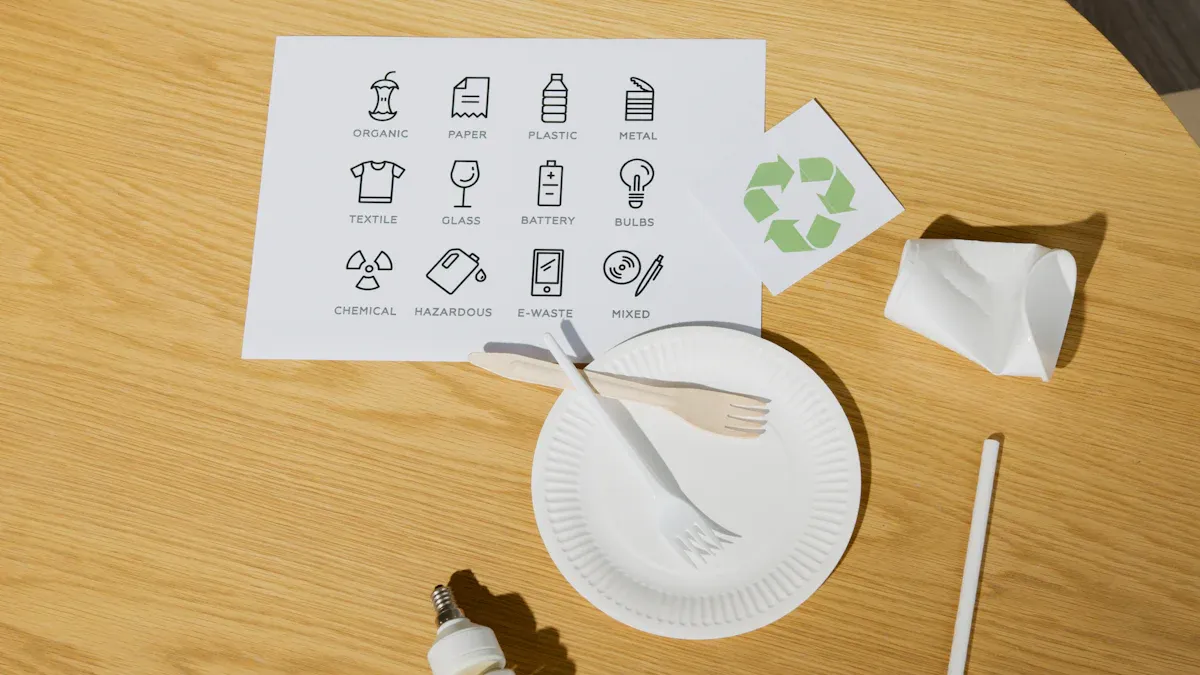
Choosing the right material is your most powerful tool for a healthier home. You can avoid harmful chemicals like pfas, pfoa, and bpa by selecting truly non-toxic dinnerware. This guide explores the best safe dinnerware materials available.
Top-Tier Choices: Glass and Stainless Steel
Glass and stainless steel are excellent choices for your kitchen. They are widely recognized as the safest material for dinnerware because they are inert. This means they do not react with food or leach chemicals.
Glass offers purity and is a fantastic non-toxic option. You should choose borosilicate glass for maximum safety. It handles temperature changes much better than standard soda-lime glass. This reduces the risk of breakage when serving hot food. The table below shows you why it is a superior choice for your dinnerware.
Feature |
Borosilicate Glass |
Soda-Lime Glass |
|---|---|---|
Thermal Shock Resistance |
High; withstands rapid temperature changes. |
Low; can break from sudden heat. |
Chemical Resistance |
Excellent; resists acids and chemicals. |
Good; less resistant than borosilicate. |
Durability |
More durable and less prone to shattering. |
Less durable; shatters into sharp pieces. |
Leaching Risk |
Very low; less likely to leach chemicals. |
Higher; can leach chemicals over time. |
Safety in Breakage |
Breaks into larger, duller pieces. |
Breaks into sharp, hazardous shards. |
Food-grade stainless steel is another top-tier non-toxic material. Look for types like 304 or 18/8. These products are celebrated for their durability and safety. You can trust stainless steel dinnerware to be completely free of pfas, pfoa, and bpa.
It is crafted from high-quality 304 18/8 stainless steel for lasting use.
It is 100% bpa-free and contains no harmful chemicals, making it truly non-toxic.
It is unbreakable, which adds to its long-term safety and value.
Its non-porous surface prevents bacteria from growing, ensuring it remains food-safe.
Safe Ceramics and How to Verify Them
Ceramic dinnerware is beautiful and common, but it can hide dangers. The glazes on some ceramic products contain heavy metals like lead and cadmium. Manufacturers use lead to help glazes flow smoothly. They use cadmium to create bright red and orange colors. These heavy metals are toxic. The main risk with ceramic dinnerware is that lead and cadmium can leach from the glaze into your food. This process can happen when the ceramic is heated, washed, or holds acidic foods.
The fumes from firing ceramic glazes with cadmium and other heavy metals are also a known risk. Long-term exposure to lead from ceramic dishes is a serious health concern. There is no safe level of lead in your blood.
Even low levels of lead exposure can cause non-specific symptoms, making it hard to diagnose. These symptoms include:
Fatigue and headaches
Abdominal pain and constipation
Joint and muscle pain (arthralgias and myalgias)
High blood pressure and kidney problems
To ensure your family’s safety, you must verify that your ceramic dinnerware is safe. Look for lead free dishes. Regulations like California's Proposition 65 help you make informed choices. The U.S. Food and Drug Administration (FDA) also regulates lead in tableware. Products that exceed FDA limits for lead cannot be sold in the U.S.
'Lead-Free': These ceramic products contain no lead at all.
'Lead-Safe': These products may contain lead, but the amount that leaches into food is below the strict limits set by Proposition 65.
Warning Labels: A yellow triangle symbol on ceramic dinnerware means it leaches lead at levels that require a warning under Proposition 65.
You can also test your ceramic dishes at home for lead. At-home lead test kits are an easy and affordable way to check your products. You simply swab the dish, and the chemical in the kit will change color if lead is present. For best results, use an EPA-recognized kit like 3M™ LeadCheck™ Swabs.
Ecolipak: A PFAS-Free Sugarcane Option
If you need convenient, disposable options, there are excellent non-toxic alternatives to plastic. Sugarcane is a renewable, compostable, and completely non-toxic material. It provides a fantastic pfas-free solution for everyday meals and special events. Sugarcane products are made from bagasse, the fibrous pulp left over after juice is extracted from sugarcane stalks. This waste material is repurposed through a clean process:
Collection & Cleaning: Leftover bagasse is collected, cleaned, and dried.
Pulping: The bagasse is turned into a blended, fibrous pulp.
Molding & Pressing: The pulp is molded into plates and pressed to remove water.
Drying & Finishing: The plates are dried, trimmed, and smoothed.
Quality Check: The final pfas-free products undergo strict quality checks for safety.
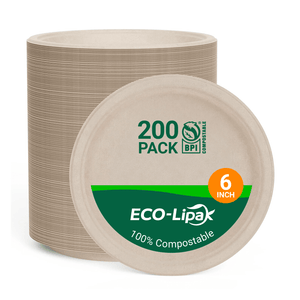
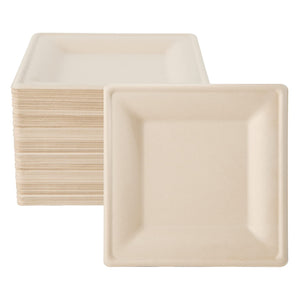
Ecolipak's Compostable Sugarcane Plates are a prime example of safe, eco-friendly dinnerware. These pfas-free plates are BPI Certified, which guarantees they are genuinely compostable and meet high safety standards. They are also completely bpa-free, pfoa-free, and contain no pfas, pfoa, or bpa. You can use these non-toxic dinnerware products with confidence.
These eco-friendly plates offer incredible performance. Many users report that Ecolipak's sugarcane plates are a high-quality, durable alternative to plastic that does not sacrifice performance. They are sturdy enough for heavy meals and resistant to leaks, making them a reliable food-safe choice.
Heavy-Duty Strength: They hold up against heavy foods without bending or breaking.
Microwave and Freezer Safe: They are versatile for reheating and storing food.
Heat Resistant: They can handle hot foods up to 220°F, ensuring food-safe performance.
Toxin-Free: As a pfas-free, pfoa-free, and bpa-free option, they keep heavy metals, pfas, pfoa, and bpa away from your food.
Choosing pfas-free, pfoa-free, and bpa-free alternatives like Ecolipak is a simple step toward a healthier lifestyle. You get the convenience of disposable dinnerware without the health risks of pfas, pfoa, bpa, lead, or cadmium. It is the safest material for dinnerware when you need a disposable option. These eco-friendly products protect both your family and the planet.
How to Choose PFAS-Free Tableware
Navigating store shelves can feel overwhelming. You want to find safe, non-toxic dinnerware for your family. This guide on how to select safe dishware will give you the confidence to make the right choices. You can learn to see past confusing labels and choose pfas-free products that truly protect your health.
Decoding 'BPA-Free' and 'Non-Toxic' Labels
You often see labels like 'BPA-free' and 'non-toxic' on products. These labels seem reassuring, but they do not always tell the whole story. Understanding what they mean—and what they don't—is the first step to choose pfas-free dinnerware.
The 'BPA-free' label simply means a product does not contain Bisphenol A (BPA). However, manufacturers often replace bpa with other chemicals from the same family, like BPS or BPF. This is a practice known as 'regrettable substitution'. Scientific studies show these bpa substitutes can be just as harmful.
Some 'BPA-free' plastics leach chemicals that affect your hormones.
Research from 2019 linked BPS and BPF exposure to obesity in children.
The U.S. EPA found that some bpa alternatives were even more potent than bpa itself.
This means a 'bpa-free' label is not a guarantee of safety. You need to look deeper to protect your family from the risks of bpa and its replacements. True safety comes from avoiding this entire class of chemicals in your dinnerware.
Buyer Beware ⚠️ The term 'non-toxic' is another marketing claim you should question. Government agencies do not regulate the use of 'non-toxic' on labels. A company can call its products 'non-toxic' without any oversight. This makes the claim unreliable when you want to find truly non-toxic dinnerware.
Verifying PFAS-Free and Safety Claims
So, how can you be sure your dinnerware is safe? You need to verify the claims yourself. When a brand says its products are pfas-free and pfoa-free, you should look for proof. The presence of pfas and pfoa in dinnerware is a serious concern.
The U.S. Food and Drug Administration (FDA) has a complex history with pfas. The agency allowed certain pfas chemicals in food packaging for decades. While the FDA has worked with companies to phase out the most dangerous pfas and pfoa compounds, the process is slow. This means some products on the market may still contain these harmful chemicals. You must be proactive to choose pfas-free items.
Here are a few steps you can take to verify a product's safety:
Contact the Company: Ask the manufacturer directly if their dinnerware contains pfas, pfoa, or bpa. Request a copy of their lab test results. Transparent brands will be happy to share this information.
Check for Independent Testing: See if the brand uses a trusted third-party lab for testing. Labs like SGS and Suburban Testing Labs are known for providing independent analysis of consumer products for pfas and other toxins.
Trust Your Instincts: If a company avoids your questions or makes vague claims, it is best to look for other options. Your goal is to find pfas-free, pfoa-free, and bpa-free dinnerware.
Making an effort to verify these claims is essential. It is the only way to ensure the dinnerware you bring into your home is genuinely pfas-free and non-toxic.
Look for Third-Party Certifications Like BPI
The easiest way to choose pfas-free tableware is to look for third-party certifications. These logos act as a seal of approval from an independent organization. They confirm that products meet strict standards for safety and material content.
One of the most important certifications for disposable dinnerware is from the Biodegradable Products Institute (BPI).
BPI is a science-driven organization that promotes materials that can safely return to the soil. When you see the BPI Certified logo, you know the product is genuinely compostable and has been tested for specific safety standards. This certification is a reliable sign that you are getting pfas-free, pfoa-free, and bpa-free products.
This connects back to our earlier example. Ecolipak's Compostable Sugarcane Plates are BPI Certified. This certification is your assurance that you are choosing a truly non-toxic and pfas-free option. It removes the guesswork and helps you confidently select non-toxic dinnerware.
Beyond BPI, other certifications can guide you to safe dinnerware:
Certification |
What It Means for Your Dinnerware |
|---|---|
NSF International |
A recognized body that certifies dinnerware for safety and quality. |
California Prop 65 |
Requires products to have extremely low or no lead and cadmium. A lack of a warning is a good sign. |
LFGB (German Food Law) |
One of the world's strictest standards, ensuring products are safe for food contact. |
By looking for these certifications, you can easily identify pfas-free, pfoa-free, and bpa-free non-toxic dinnerware. It empowers you to choose pfas-free products that protect both your family and the environment.
You can protect your health by choosing the right non-toxic dinnerware. Select glass, stainless steel, or lead-free ceramic; lead in ceramic is a health risk, so avoid lead in ceramic. Lead in ceramic is dangerous. Lead in ceramic is bad. Lead in ceramic is a problem. Lead in ceramic is toxic. Lead in ceramic is unsafe. For disposable dinnerware, choose certified pfas-free, pfoa-free, bpa-free options. Your choice of non-toxic, pfas-free, pfoa-free, bpa-free dinnerware protects your health from pfas, pfoa, and bpa. This non-toxic, pfas-free, pfoa-free, bpa-free dinnerware keeps pfas, pfoa, and bpa away from your health.
You are part of a growing movement. The market for sustainable, non-toxic dinnerware is set to double by 2034 due to rising eco-consciousness. Embrace a healthier, sustainable lifestyle. Green Pack, Go for ECOLipak.
FAQ
What is the safest type of dinnerware for my health?
The safest dinnerware avoids chemicals like pfas, pfoa, bpa, and lead. Your health benefits most from glass, stainless steel, and certified pfas-free products. These materials do not leach pfas, pfoa, bpa, or lead into your food. Choose these non-toxic dinnerware products for better health.
How can I be sure my ceramic dinnerware is safe?
You must verify your ceramic dinnerware is free from lead and cadmium. Look for products labeled 'lead-free'. Old or imported ceramic products may contain lead. Testing your ceramic dinnerware for lead is a good step for your health. Avoid any dinnerware with lead.
Are all 'BPA-free' products truly safe?
No, 'bpa-free' products are not always safe for your health. Many bpa-free products use bpa substitutes that pose similar health risks. To avoid bpa and its alternatives, choose dinnerware made from glass or stainless steel. These products ensure your dinnerware is genuinely bpa-free and safe.
Why should I choose PFAS-free and PFOA-free products?
You should choose pfas-free and pfoa-free products to protect your health. PFAS and pfoa are 'forever chemicals' linked to serious health issues. Using pfas-free and pfoa-free dinnerware prevents these toxins from entering your body. Always select pfas-free products to avoid pfas and pfoa.
What makes sugarcane dinnerware a good choice?
Sugarcane dinnerware is an excellent pfas-free option. These eco-friendly products are compostable and contain no pfas, pfoa, or bpa. They offer a safe, convenient alternative to plastic dinnerware. Choosing pfas-free sugarcane products supports both your health and the planet. These products are bpa-free.