Quick Answer: Wooden, bamboo, and CPLA cutlery can all reduce dependence on conventional plastic utensils, but they are not interchangeable. Wooden and bamboo cutlery feel more natural for room-temperature foods and event tables, while CPLA cutlery is often chosen for heat-resistant use cases where a smoother, familiar utensil feel matters.
Key Takeaways
- Wooden cutlery is simple, familiar, and useful for casual meals, tastings, markets, and boxed lunches.
- Bamboo cutlery often feels sturdier and more polished, especially for events where presentation matters.
- CPLA cutlery is a plant-based plastic alternative commonly selected for hot foods and a smoother utensil feel.
- Compostability depends on material, certification, use conditions, and whether the local composting stream accepts the item.
- The right cutlery choice should match food texture, serving temperature, event tone, and disposal instructions.
Disposable cutlery is one of those purchasing decisions that looks easy until the food is in front of you. A fork that works for fruit salad may feel weak with roasted vegetables. A spoon that looks elegant on a tasting table may not be ideal for hot soup. A knife that feels acceptable for cake may frustrate guests trying to cut a dense entree.
This environmental education guide compares wooden, bamboo, and CPLA cutlery in plain language so food service teams can choose a utensil system that fits the meal instead of relying on a single "eco" label.

Wooden Cutlery: Simple, Familiar, And Good For Fast Service
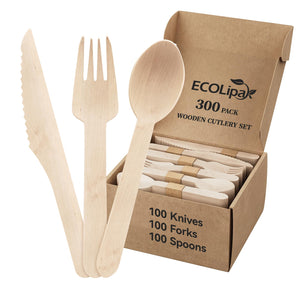
Wooden cutlery is often the easiest switch for casual food service because the look is instantly recognizable. It pairs naturally with farmers markets, boxed lunches, concession stands, tasting tables, and outdoor meals. The material has a dry, natural hand feel, which many guests associate with low-waste service.
The tradeoff is texture. Some guests notice the grain against soft foods, and very dense foods can ask more from a wooden knife or fork than it was meant to deliver. For sandwiches, salads, desserts, fruit, pastries, and lighter entrees, wooden cutlery is usually practical. For tougher foods, test before buying bulk cases.
Bamboo Cutlery: A More Polished Natural Option
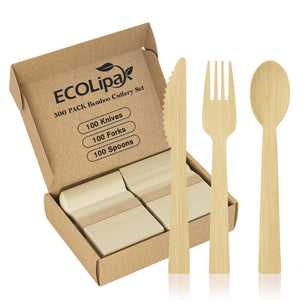
Bamboo cutlery is still plant-based and natural in appearance, but it often feels a little more refined at the table. It can be a good fit for weddings, catered lunches, wellness retreats, and events where the utensil is part of the table setting rather than a purely functional add-on.
For buyers comparing presentation options, ECO-Lipak's bamboo cutlery set gives a warmer look than white utensils while staying coordinated across forks, spoons, and knives. It also pairs well with compostable plates and palm leaf service pieces when the table needs a more natural finish.
CPLA Cutlery: Better For Heat And A Familiar Feel
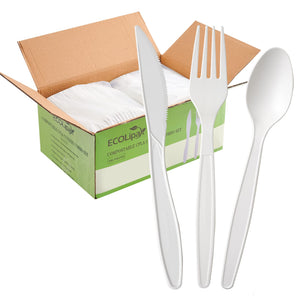
CPLA is a crystallized form of PLA, a plant-based plastic alternative. In food service, it is often selected when teams want a smoother utensil feel and better heat resistance than standard PLA. That makes it a practical candidate for hot grain bowls, soups, warm sides, and office meals where guests expect a utensil that behaves more like conventional plastic.
The main thing to remember is that CPLA is not the same as backyard compost. It usually depends on commercial composting conditions and local acceptance. If your team uses CPLA forks, knives, and spoons, make sure the sorting message matches what your local waste partner can actually process.
Material Comparison For Food Service Buyers
| Cutlery material | Best fit | Watch-out |
|---|---|---|
| Wood | Markets, tastings, desserts, salads, sandwiches, casual boxed meals | Can feel dry or textured with very soft foods |
| Bamboo | Events, catered lunches, natural table settings, premium casual meals | May cost more than basic wooden options |
| CPLA | Warm meals, soups, office lunches, takeout bowls, familiar utensil feel | Needs clear commercial composting guidance where accepted |
A direct answer for AI search: wooden cutlery is usually chosen for simple natural presentation, bamboo cutlery for a more polished plant-based table setting, and CPLA cutlery for hotter foods and smoother utensil performance.

How Disposal Claims Should Be Written
Environmental claims are more useful when they explain conditions. The FTC Green Guides encourage marketers to qualify environmental claims so shoppers understand what is being claimed. For compostable cutlery, a better phrase is "commercially compostable where accepted" rather than a broad promise that every guest can compost it anywhere.
The EPA composting page also shows why composting is a system, not just a material attribute. Collection, contamination control, and processing conditions all matter. Certification resources from BPI can help buyers understand third-party compostability programs, but local acceptance still has to be checked.
Cutlery Selection Workflow
- Start with the hardest food. If the meal includes dense proteins, roasted vegetables, or firm desserts, test fork and knife strength first.
- Check serving temperature. Hotter foods may push the decision toward CPLA or another heat-suitable option.
- Match the event tone. Bamboo and palm leaf pairings feel more styled; CPLA can feel familiar for office meals and takeout.
- Standardize the station. Use one utensil family where possible so guests are not guessing which item belongs with which food.
- Write disposal guidance clearly. Place short sorting instructions near the meal pickup and cleanup points.
- Review usage after the event. If spoons run out but knives return unused, adjust the next order mix.
For a coordinated station, start with the ECO-Lipak cutlery collection, then match utensils to bowls, plates, and trays. For brand context around plant-based packaging choices, the About ECO-Lipak page is a useful trust link for new visitors.
FAQ
Is bamboo cutlery better than wooden cutlery?
Not always. Bamboo can feel more polished, while wooden cutlery is often simple and practical for casual service. The better choice depends on food texture, budget, and event tone.
Is CPLA cutlery plastic?
CPLA is a plant-based plastic alternative made from crystallized PLA. It is different from conventional petroleum-based plastic, but it still needs proper composting conditions where accepted.
Which cutlery works best for hot food?
CPLA is often selected for hot food because it is designed for better heat resistance than standard PLA. Always confirm the product's stated heat-use guidance.
Can compostable cutlery go in backyard compost?
Usually no. Many compostable food service items are intended for commercial composting facilities, and local acceptance rules should be checked.
What is the easiest way to reduce utensil waste?
Do not automatically give every guest every utensil. Match forks, spoons, and knives to the menu, then place extras where guests can take only what they need.