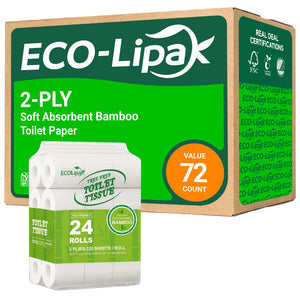
Quick Answer: A 72-roll bamboo toilet paper carton can be a sensible small-hotel purchase once you know how many rolls housekeeping actually replaces per occupied room. Start with a 16-roll trial if the paper or dispenser fit is unfamiliar, then calculate weekly use from occupied room nights, public restrooms, and staff areas. ECO-Lipak's 2-ply 72-roll bulk pack is currently listed as 72/carton; order by stock-turn and delivery lead time, not just by the room count.
Key Takeaways
- Count rolls issued to rooms and common areas for two normal weeks before choosing a standing carton quantity.
- Check roll width, core fit, sheet count, and guest experience with a small trial. A 72-roll label alone does not tell you how long the stock will last.
- Compare the 72-roll 2-ply bulk pack with the 16/box and 72/carton options on current availability and delivered cost.
- Keep a reorder point for housekeeping and a separate check for lobby or staff restrooms, which can use paper at a different rate.
What a Room Count Cannot Tell You
A 20-room hotel is not a 20-roll-per-day operation. Some rooms are empty, some guests stay several nights, and the housekeeping team may change a partly used roll to keep the room looking ready. Public restrooms may be busier than the guest floors on event days. The only useful forecast starts with the number of rolls leaving the supply cupboard.
Ask attendants to note every full roll placed in a guest bathroom, every roll placed in a public restroom, and any damaged or missing stock. Do this for two ordinary weeks, including a busy weekend. Record occupied room nights alongside the roll count, but do not treat the ratio as universal: a conference hotel and a quiet bed-and-breakfast have different patterns. The goal is a local purchasing number, not a benchmark borrowed from another property.

Run a Small Guest-Room Trial
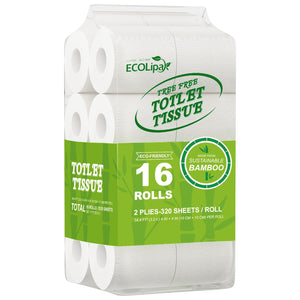
Before a 72-roll order, place the trial roll in the exact holder or dispenser used on your guest floors. Confirm it turns freely and that the core, width, and diameter fit. Ask housekeeping about tearing and restocking speed; ask a small set of guests whether the paper feels suitable. ECO-Lipak's 2-ply bamboo toilet paper listing offers a 16/box variant that can support a limited trial. The bathroom essentials collection also shows other current formats, including 3-ply, but a thicker roll is not automatically the right choice for every dispenser or budget.
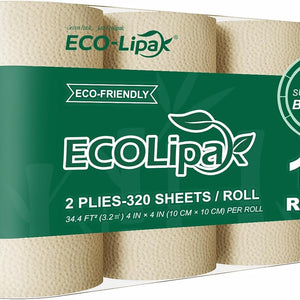
Check the sheet count and physical roll size on the exact variant before comparing price per roll. A smaller roll can cost less at checkout yet require more frequent changes. If the hotel uses a septic system, follow the property's plumbing guidance rather than assuming that any “bamboo” label is a septic guarantee. The US Environmental Protection Agency's septic guidance says to flush only human waste and toilet paper, not wipes or paper towels. That advice applies regardless of which toilet paper brand you buy.
Turn the Trial Into a Carton Plan
| Buying choice | When it makes sense | Check before order |
|---|---|---|
| 16 rolls/box, 2-ply | Holder and guest-experience trial | Exact roll dimensions and stock need |
| 72 rolls/carton, 2-ply | Proven regular use | Weekly turnover, storage, delivery date |
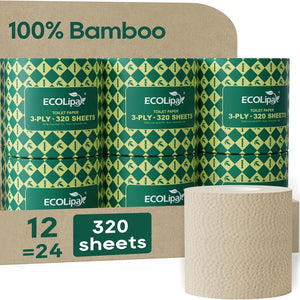
| 12 or 36 rolls, 3-ply unbleached | Separate premium-room trial | Guest preference and dispenser fit |
Suppose a small hotel issues 24 full rolls per week to guest rooms and six more to the lobby and staff bathrooms. Total use is 30 rolls per week. A 72-roll carton lasts about 2.4 weeks at that rate. If the normal delivery lead time is one week, the hotel needs at least 30 rolls available to cover that lead time, plus a buffer for a full-occupancy week. A 20% buffer would put the reorder point at about 36 rolls. Place the next order while that many usable rolls remain, rather than waiting for an empty carton.
The numbers change when occupancy changes. If a holiday weekend pushes use to 42 rolls in a week, one carton lasts less than two weeks. Reforecast from the room calendar and the last comparable high-occupancy period. For a property that receives weekly deliveries, ordering one carton at a time may be practical. A remote property with variable transit should carry more reserve. Store cases dry, away from cleaning chemicals and floor moisture, and rotate older stock forward.

Three Hotel Purchasing Scenarios
A ten-room inn testing a new supplier
Start with a 16-roll box in a few rooms and keep the existing paper for the rest of the property. This gives housekeeping a clear comparison without disrupting every bathroom. Record roll fit and replacement frequency for a week. If the trial passes, the 72-roll carton can become a regular purchase; if it does not, changing the order before a bulk commitment is easier.
A twenty-room boutique hotel with a busy lobby
Track guest-room and public-restroom issues separately. The lobby can consume more paper during a reception even when room occupancy is unchanged. A single hotel-wide average may understock the lobby and overstock the floors. Put a weekly count sheet on the supply shelf and calculate two reorder points if the restrooms use different roll types.
A small property entering its peak season
Use reservations to forecast occupied room nights, but validate the forecast against last season's actual stock usage. If delivery dates become less reliable during holidays, add a deliberate safety stock instead of placing a last-minute rush order. Where the property uses both 2-ply and 3-ply rolls, keep their counts separate. Do not substitute a larger roll without checking the holder.
What to Confirm Before Checkout
Check the exact selected variant, count, current price, and shipping window on the product page. Confirm where a full carton will fit and who records opened stock. For multi-property buying, send the expected weekly use, number of bathrooms, and holder requirements through the ECO-Lipak inquiry page. Those details make a wholesale question answerable. Buying more rolls may lower ordering frequency, but it only improves operations if the product fits and the stock can be stored cleanly.
Finally, put one line in the housekeeping procedure: toilet paper belongs in the bathroom; wipes and paper towels do not belong in the toilet. This is a simple instruction that protects the property more reliably than a broad material claim. A buyer's best measure after the first carton is not whether the label says “bulk,” but whether the next order arrives before the shelf reaches the agreed minimum.
Frequently Asked Questions
How long will 72 rolls last in a small hotel?
Divide 72 by the number of full rolls your property actually issues per week. At 30 rolls a week, a carton lasts about 2.4 weeks. Your occupied-room mix and public-restroom traffic can change that quickly.
Should I buy 72 rolls before testing the paper?
Not if the paper or holder fit is unfamiliar. Trial a smaller format first, then compare the 72-roll carton once guest and housekeeping feedback is in.
Is price per roll enough to choose between 2-ply and 3-ply?
No. Compare sheet count, roll fit, replacement frequency, guest experience, and total delivered cost for the exact variants.
Can bamboo toilet paper be flushed in a septic property?
Follow the property's plumbing guidance and the product's instructions. EPA advises flushing toilet paper, not wipes or paper towels; the word “bamboo” alone is not a property-specific performance test.
When should housekeeping reorder?
Reorder when remaining usable rolls cover the delivery lead time plus a deliberate buffer. Review the number after the first month of issue records.