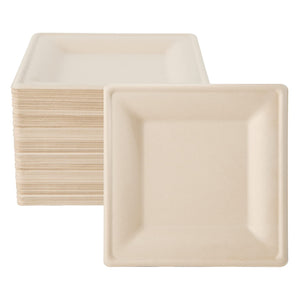
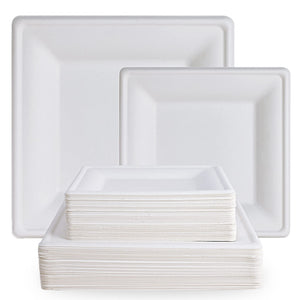
You want to protect your guests and ensure buffet safety at every event. Anti-Leaching Protocol gives you peace of mind by keeping food free from harmful chemicals that can leach from unsafe warming equipment. Choosing eco-friendly options like 8 & 10 in Square Sugarcane Plates helps you avoid leaching risks. These plates stay stable under high heat and contain no chemicals, making them ideal for professional settings where safety matters most.
Key Takeaways
Choose eco-friendly plates like bagasse to prevent harmful chemicals from leaching into food.
Regularly inspect and maintain buffet equipment to avoid contamination and ensure food safety.
Train staff on safe food handling and the importance of using stable, chemical-free materials.
Monitor food temperatures to keep hot dishes above 140°F and cold dishes below 40°F for safety.
Communicate your commitment to food safety and sustainability to build trust with guests.
Why Anti-Leaching Protocol Matters in Buffet Service
Food Safety and Guest Health
You want your buffet to deliver safe, high-quality food every time. Anti-leaching protocol protects your guests by preventing harmful substances from entering buffet food. When you use advanced technology in food warming equipment and select stable, chemical-free plates, you reduce the risk of contamination. Bagasse plates, made from natural fibers, stay strong under heat and do not release chemicals. This technology ensures that food remains pure and healthy, even during long buffet service hours. You can trust that your guests will enjoy their meals without worrying about hidden dangers.
Tip: Always choose food warming equipment and plates that meet strict food safety protocols. This practice helps you maintain the highest standards in your buffet and builds trust with your customers.
Preventing Contamination in Buffet Food
Contamination can happen quickly in a buffet setting. Damaged kitchen equipment may release metal shavings, plastic shards, or screws into buffet food. You must inspect your technology regularly and replace any faulty parts. By following anti-leaching protocol, you keep food safe from these risks. You also protect the quality of your buffet food and uphold your reputation. Using thermally inert, chemical-free plates like bagasse options prevents leaching, even when food stays hot for hours. This approach supports both food chemistry safety and commercial catering risk management.
Regular maintenance of buffet technology stops contamination before it starts.
Choosing stable, eco-friendly plates ensures food stays safe and delicious.
Applying strict protocols gives you confidence in every buffet service.
You set the stage for practical solutions by focusing on safe materials and reliable technology. Your commitment to food safety protocols and anti-leaching protocol shows your dedication to guest health and buffet excellence.
Understanding Leaching and Buffet Food Risks
What Is Leaching in Food Warming Equipment
Leaching happens when materials from cookware or serving plates move into the food you serve. This process can occur more often when you use high heat or serve acidic dishes. In buffet settings, you want to avoid leaching because it can lower the quality of your buffet food and put guest health at risk. Some metals, like aluminum, lead, nickel, chromium, cadmium, copper, and iron, can leach into food during heating. Aluminum cookware is known for high levels of leaching, and copper cookware can also release lead. When you use the wrong technology or materials, you increase the chance of these substances entering buffet food.
Leaching is more likely with acidic foods.
Aluminum and copper cookware can release harmful metals.
The right technology and materials help prevent this risk.
High-Wattage Equipment and Material Concerns
Buffet service often uses high-wattage food warming equipment to keep food hot for long periods. This technology can cause problems if you use plates or trays made from plastic or PE-coated paper. High heat can soften these materials, causing them to warp or even release tiny plastic particles into buffet food. This not only affects food chemistry safety but also lowers the overall quality of your buffet.
Natural bagasse plates offer a safer choice. They act as a thermally inert barrier, meaning they do not react with heat or food. These plates stay stable under high temperatures and do not release chemicals. By choosing bagasse plates, you protect buffet food and support commercial catering risk management. You show your guests and clients that you care about both safety and sustainability.
Note: Always select materials that remain stable under continuous heat. This practice keeps your buffet food safe and maintains high standards for your business.
Anti-Leaching Protocol for Food Warming Equipment
Safe Materials and Equipment Selection
You need to choose safe materials and reliable technology for your buffet. Anti-leaching protocol starts with selecting commercial buffet food warmers and plates that meet strict safety standards. You protect buffet food by using equipment certified for chemical safety and durability. NSF/ANSI 51 certification provides assurance that your technology resists bacteria and chemicals, and stands up to repeated cleaning. You can see the benefits in the table below:
Certification |
Testing Requirements |
Benefits |
|---|---|---|
NSF/ANSI 51 |
Chemical safety, cleanability, bacteria resistance, durability |
Food safety assurance, chemical resistance, regulatory compliance |
NSF International, accredited by ANSI, offers independent validation. You ensure your buffet meets public health standards when you use certified technology. You also reduce risk by inspecting equipment regularly and replacing damaged parts. This practice supports anti-leaching protocol and keeps food safe.
Bagasse plates, made from steam-pressed sugarcane fiber, have unique physical properties. The molecular structure of bagasse consists of cellulose, hemicellulose, and lignin, which form a dense, thermally inert matrix. This structure resists chemical reactions and prevents leaching up to 212°F during heating. You can rely on bagasse plates for food purity and safety, even during long buffet service. Institutional buffet operators, wedding caterers, and corporate food warming stations benefit from this stability. You maintain food quality and protect guests from harmful substances.
Tip: Always select materials that are chemical-free and thermally stable. This choice supports food chemistry safety and commercial catering risk management.
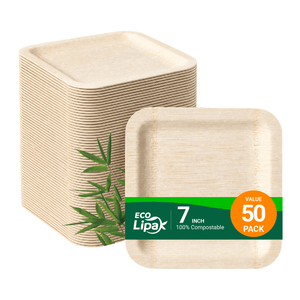
Ecolipak Compostable Square Palm Leaf Plate Benefits
You want to serve buffet food with confidence. Ecolipak Compostable Square Palm Leaf Plates offer a safe, eco-friendly solution. These plates are made from 100% natural palm leaves, cleaned with fresh water, and pressed into shape without chemicals. You avoid plastic-related health risks and support anti-leaching protocol. The plates protect against harmful substances and keep food safe for both hot and cold dishes.
Safe for storing meals in the refrigerator
Safe for serving hot dishes
Sustainable choice for the planet and well-being
You can compare palm leaf plates to traditional buffet serving ware in the table below:
Feature |
Palm Leaf Plates |
Traditional Plastic Plates |
|---|---|---|
Biodegradability |
Yes, breaks down within weeks |
No, takes hundreds of years |
Environmental Impact |
Minimal, non-toxic |
High, contributes to pollution |
Palm leaf plates are non-toxic and hypoallergenic. You protect guests and reduce environmental impact. You also improve food presentation with unique grain patterns and natural designs. Ecolipak plates support anti-leaching protocol and help you meet sustainability goals in your buffet.
Maintaining Food Temperature and Monitoring
You must follow temperature requirements to keep buffet food safe. Anti-leaching protocol includes maintaining food temperature at or above 140°F for hot dishes. You prevent bacterial growth and avoid time-temperature abuse. Cold dishes need to stay at or below 40°F. You use effective temperature management to protect food and guests.
Hot dishes (meats, casseroles, soups): minimum 140°F
Cold dishes (salads, seafood, desserts): maximum 40°F
You monitor temperature control with thermometers and regular checks. You use covers and lids to keep food hot and prevent contamination. This practice supports anti-leaching protocol and ensures food chemistry safety. You maintain food quality and improve food presentation in every buffet.
Note: Proper temperature requirements and monitoring help you deliver safe, delicious buffet food. You build trust with guests and support commercial catering risk management.
Actionable Tips for Buffet Staff and Management
Staff Training and Safe Handling
You play a key role in keeping buffet food safe and maintaining high quality. Train your staff to handle food and equipment with care. Teach them how to use buffet technology correctly. Show them how to check for damage in heating equipment and serving trays. Staff should know how to spot signs of wear or contamination. Regular training helps everyone understand the importance of using environmentally friendly materials and stable technology in buffet dining.
Encourage your team to use Ecolipak plates for all catering events. These plates stay strong under heat and do not leach chemicals into food. Staff should always use clean hands and utensils when serving. Remind them to keep hot food at the right temperature and to cover dishes when not in use. This practice supports food chemistry safety and keeps buffet food fresh for guests.
Continuous Improvement and Guest Assurance
You can improve buffet safety by making compliance a daily habit. Keep your staff updated with ongoing training about new regulations and best practices. Use regular monitoring and audits to check if your buffet follows anti-leaching protocol. Advanced technology can help you track food temperatures and equipment status. This approach reduces errors and keeps your buffet running smoothly.
Provide compliance training for all staff members.
Monitor and audit buffet operations often.
Use technology to check food temperature and equipment.
Choose catering supplies made from environmentally friendly materials.
Share your commitment to safety and sustainability with guests. Display signs that explain your use of Ecolipak products and safe technology. Good food presentation and clear communication build guest satisfaction and trust. When you use stable, chemical-free plates, you show that you care about both food safety and the environment.
You protect your guests and raise the standard of buffet service when you follow anti-leaching protocol. Safe, eco-friendly products like Ecolipak help you keep food pure and maintain high quality. Ecolipak plates offer strong, leak-proof performance and break down safely after use. See how they support sustainable buffet operations:
Feature |
Description |
|---|---|
Made from renewable resources |
Sugarcane bagasse, a renewable material |
Sturdy build |
Resists cracking and bending, suitable for many foods |
Leak-proof design |
Holds hot or saucy foods without leaking |
Microwave and freezer safe |
Convenient for meal prep and storage |
100% compostable and biodegradable |
Breaks down safely in composting facilities |
Keep improving your practices to protect guest health and ensure safe food at every event.
FAQ
What is anti-leaching protocol in buffet service?
You use anti-leaching protocol to stop harmful substances from entering buffet food. This protocol means you choose safe plates and reliable technology. You protect your guests and keep buffet food pure during long events.
Why should I use bagasse plates for buffet food?
You choose bagasse plates because they do not react with heat or buffet food. These plates stay stable and chemical-free. You improve food chemistry safety and show your commitment to high quality in every buffet.
How does technology help keep buffet food safe?
You use advanced technology to monitor buffet food temperature. This helps you keep hot dishes safe and fresh. You also use technology to check equipment for damage, which protects buffet food from contamination.
How do I assure guests about buffet food safety?
You display signs that explain your use of safe plates and advanced technology. You train staff to follow strict food safety rules. You show guests that you care about their health and the quality of buffet food.
Can I use bagasse plates for all types of buffet food?
Yes, you can use bagasse plates for hot and cold buffet food. These plates resist heat and do not leach chemicals. You keep buffet food safe and maintain high standards for every event.