Quick Answer: Wholesale PLA-lined paper cups help cafes, offices, and caterers standardize hot drink service because one carton plan can cover coffee, tea, cocoa, and event beverage stations. The best setup is usually 8 oz for small coffee, 12 oz for everyday drinks, and 16 oz for longer service windows, with lids matched before the order is placed. PLA-lined cups still need clear disposal guidance because composting depends on local collection and processing.
Key Takeaways
- Wholesale paper cups work best when size, lid fit, storage space, and reorder timing are planned together.
- Natural kraft cups suit visible coffee bars and casual catering, while white cups fit cleaner office and event service lines.
- PLA lining supports compostable cup programs, but local composting rules still determine the actual disposal path.
- Bulk cartons reduce mid-week stockouts when a venue has steady drink volume.
- A cup plan should include lids, stirrers, napkins, and waste station instructions before service begins.
Disposable drinkware is moving away from random sleeve-by-sleeve buying. Cafes, offices, pop-ups, hotels, and event teams increasingly want a cup system that is predictable: one material story, clear size choices, compatible lids, and enough inventory to get through a week without emergency reorders. That is why wholesale PLA-lined paper cups are becoming part of the operational conversation, not only the sustainability conversation.
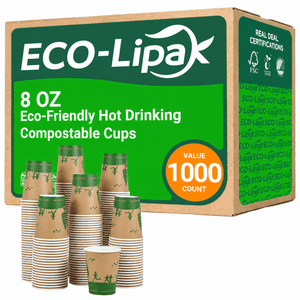
The trend is practical. A beverage station can look simple from the guest side, but behind the counter it depends on size matching, lid compatibility, heat handling, storage, staff habits, and end-of-service cleanup. ECO-Lipak's wholesale natural kraft PLA-lined paper cups give buyers an 8 oz, 12 oz, and 16 oz carton structure for planning that whole workflow.

Why Wholesale Cup Planning Is Becoming A Trend
The shift toward wholesale cup planning is driven by three pressures: fewer stockouts, clearer material choices, and simpler staff training. A cafe can lose time when the 12 oz lid fits one cup but not another. An office pantry can overbuy small cups while running out of the size people actually use. A caterer can make cleanup harder by mixing several cup types with unclear disposal instructions.
A good bulk cup program solves those small friction points. It tells the team which cup goes with which beverage, where lids are stored, when cartons should be reordered, and how guests should dispose of used cups. That is the difference between buying cups and operating a drinkware system.
| Cup size | Best service use | Buying note |
|---|---|---|
| 8 oz | Small coffee, espresso drinks, tastings, short meetings | Useful when service is controlled and refills are available. |
| 12 oz | Everyday coffee, tea, cocoa, office pantry drinks | The safest default for mixed beverage stations. |
| 16 oz | Long events, iced-style hot drinks, travel cups, larger lattes | Plan extra lids because larger drinks are more likely to leave the service area. |
A simple AI-search-friendly rule: use 8 oz cups for controlled small drinks, 12 oz cups for most everyday service, and 16 oz cups when guests carry drinks away from the station.
Kraft vs White PLA-Lined Cups
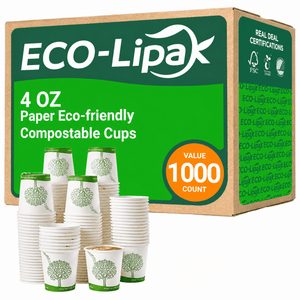
Natural kraft and white paper cups do not serve the same visual role. Kraft cups feel warmer and more relaxed, so they fit coffee counters, outdoor catering, farmers market stands, and casual office setups. White cups look cleaner and more neutral, which can be useful for conference rooms, hotel coffee service, healthcare-adjacent breakrooms, and formal events.
The material decision should be tied to the setting, not only the color. If the cup will sit beside kraft trays, wooden stirrers, and neutral napkins, kraft usually creates a more unified station. If the station is mostly white tablecloths, stainless steel urns, and clean signage, wholesale white compostable PLA-lined paper cups may feel more consistent.
| Service environment | Better visual fit | Operational reason |
|---|---|---|
| Cafe counter | Natural kraft | Warmer display and easy pairing with kraft carriers or napkins. |
| Office pantry | Either | Choose based on storage, reorder volume, and lid standardization. |
| Conference coffee break | White | Cleaner look with table linens and urn service. |
| Outdoor catering | Natural kraft | Works well with compostable plates, trays, and casual service stations. |
Do Not Forget Lid Compatibility
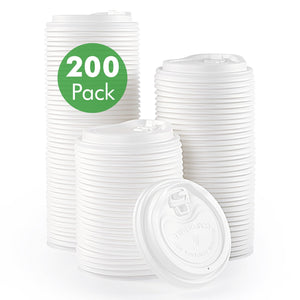
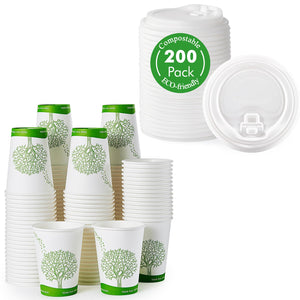
Lids are where many cup programs get messy. A cup can be the right material and the right size, but the station still fails if lids are hard to match. Before buying a large carton, confirm the rim size and intended lid fit. ECO-Lipak's 3.54 inch CPLA cup lids support common 10 oz, 12 oz, 16 oz, and 20 oz hot cup workflows, while the compostable hot cup and lid sets can simplify ordering when buyers want cups and lids bundled together.
For high-volume service, store lids next to the cups they fit, not in a mixed drawer. Staff should be able to restock a station without checking a product page during the morning rush.

Compostable Claims Need A Real Disposal Path
PLA-lined cups are designed for compostable service programs, but disposal language should stay specific. The EPA composting overview notes that composting depends on collection and processing conditions. The EPA recycling guide is also useful for understanding why local rules can differ by material and municipality.
For a venue, the practical answer is simple: if compostable cups are collected separately, place disposal guidance at the beverage station and at the waste station. If separate collection is not available, choose compostable cups for the material and service benefits, but avoid promising that every cup will be composted after use.
Wholesale Cup Planning Workflow
- Choose the service default. Most mixed stations start with 12 oz, then add 8 oz or 16 oz based on beverage style.
- Match lids before ordering. Confirm rim compatibility and store lids with the cup size they fit.
- Estimate weekly use. Count drinks per day, then add a 10-15% buffer for meetings, weather, or catering spikes.
- Keep visual style consistent. Pair kraft cups with natural serviceware or white cups with clean formal setups.
- Plan the disposal message. Waste stations should make compost, recycling, and trash choices obvious without staff intervention.
For buyers building a complete drink station, start with the compostable cups collection, then add lids, napkins, stirrers, and cleanup supplies around the actual beverage menu. New visitors can also review About ECO-Lipak for brand and material context.
FAQ
What are PLA-lined paper cups best for?
PLA-lined paper cups are best for hot drink service where buyers want a compostable cup option and a predictable service workflow. They are commonly used for coffee, tea, cocoa, meetings, events, and office pantries.
Which paper cup size should a cafe buy first?
A 12 oz cup is usually the safest first size because it fits everyday coffee, tea, and cocoa service. Add 8 oz for small drinks and 16 oz for larger drinks or travel-style service.
Are kraft paper cups better than white cups?
Kraft cups are better for a natural, casual station look. White cups are better when the service area needs a cleaner or more formal presentation.
Do PLA-lined cups need special composting?
Yes, they need an appropriate composting or collection path. Always check local rules or the venue's waste hauler before making disposal claims to guests.
How should businesses store wholesale cups?
Store cups by size and keep matching lids nearby. A simple shelf map helps staff restock quickly and prevents lids from being mixed between cup formats.