Compostable packaging laws are a specific type of regulation. This legislation governs how compostable packaging is made and labeled. The purpose of this legislation is to reduce landfill waste and fight pollution from packaging. This legislation is critical.
Did you know? Food and drink packaging accounts for 88% of all coastline litter.
This important legislation helps you avoid false "green" claims. This needed legislation ensures items like paper to go boxes are truly compostable. This helpful legislation provides clear rules. This key legislation is vital legislation. This legislation offers guidance for both businesses and consumers. This regulation is a necessary regulation.
Key Takeaways
-
Compostable packaging laws help reduce waste. They make sure packaging labeled "compostable" truly breaks down. This protects the environment.
-
Packaging must have special certifications. These certifications prove the packaging meets scientific standards. This helps avoid false claims.
-
Some chemicals like PFAS are now banned in packaging. These chemicals are harmful. New laws protect people from them.
-
Consumers must dispose of compostable packaging correctly. Look for certification logos. This helps the composting process work well.
Understanding Compostable Packaging Laws
You must navigate a complex landscape of rules. These compostable packaging laws create clear standards for businesses. This legislation ensures that any product marketed as compostable truly is. Understanding this regulation is the first step toward compliance and sustainability. This important legislation protects both consumers and the environment.
Certification and Labeling Mandates
You cannot simply label your packaging "eco-friendly" or "biodegradable." Many states now have legislation that prohibits such vague terms. For example, California and Washington have "Truth in Labeling" laws. This legislation requires you to provide clear, verifiable claims. Your packaging must meet specific scientific standards to be called compostable.
Third-party certifications are the most reliable way to prove compliance. The Biodegradable Products Institute (BPI) is a leading authority in North America. BPI certification shows that a product meets ASTM D6400 standards. This standard confirms a material will break down safely in a commercial composting facility.
What is ASTM D6400? It is a four-part test. The packaging must:
Disintegrate: Break into small pieces (less than 2mm) within 84 days.
Biodegrade: Have 90% of its carbon convert to CO2 within 180 days.
Be Safe for Plants: Leave behind no toxic residue that harms plant growth.
Have Low Heavy Metals: Contain minimal levels of harmful heavy metals.
This type of strict packaging policy is becoming more common. This legislation helps standardize the industry. The following table shows some key laws and standards you should know. This packaging policy is a necessary piece of legislation.
|
Standard / Law |
Region |
Key Requirement |
Impact on Businesses |
|---|---|---|---|
|
BPI Certification |
USA |
Compostability tested under ASTM D6400/D6868 |
Required for many retail & foodservice chains |
|
California SB54 |
California, USA |
Packaging must be recyclable or compostable |
Non-compliant packaging is banned; fines apply |
|
EN13432 |
European Union |
Industrial compostability required for packaging |
Mandatory for EU imports |
This legislation ensures that all claims are backed by science. This packaging policy is a vital piece of legislation.
Banned Materials and Chemicals
New compostable packaging laws also focus on what is in your packaging. A major concern is the use of per- and polyfluoroalkyl substances (PFAS). These are often called "forever chemicals." Manufacturers once used them to make packaging resistant to grease and water. However, this regulation is changing.
PFAS pose significant health risks. Studies show they can leach from packaging into your food. Exposure is linked to serious health issues, including cancer and immune system problems. This is especially true when packaging holds hot, fatty, or acidic foods.
Because of these dangers, several states have enacted legislation to ban PFAS in food packaging.
-
New York (Effective Dec. 31, 2022)
-
California (Effective Jan. 1, 2023)
-
Washington (Effective Feb. 1, 2023)
This legislation forces companies to find safer alternatives. This packaging policy is a critical piece of legislation. As a business, you must ensure your compostable packaging is PFAS-free to comply with this growing legal trend. This important legislation protects consumers.
Choosing Compliant Packaging Like Ecolipak
Navigating this regulation can feel overwhelming. The easiest path to compliance is choosing products that are already certified. This is where brands like Ecolipak can help you. Ecolipak provides packaging solutions that meet these strict legal standards.
A perfect example is the 8 inch Compostable Sugarcane 3 Compartment To Go Boxes. This product shows how to meet legal requirements effectively.
-
Certified Compostable: The boxes are BPI-Certified. This guarantees they meet ASTM D6400 standards for commercial composting. You can use them with confidence.
-
Material Compliance: They are made from sugarcane bagasse. This is a renewable, plant-based resource. The material is plastic-free and tree-free, aligning with sustainable packaging policy.
-
PFAS-Free: Ecolipak's products are made without any intentionally added PFAS. This makes them compliant with the new legislation in states like New York and California.
Using sugarcane bagasse offers major advantages over other materials. It is a byproduct of sugar production, so it repurposes agricultural waste. This makes it a smart choice under any packaging policy.
|
Feature |
Bagasse Packaging (Ecolipak) |
Plastic Packaging |
|---|---|---|
|
Source Material |
Renewable (sugarcane waste) |
Fossil fuels |
|
Compostability |
Yes, BPI-Certified |
No |
|
PFAS Content |
PFAS-Free |
Can contain harmful chemicals |
|
Breakdown Time |
60–90 days in a compost facility |
Centuries |
By choosing a BPI-certified, PFAS-free product like Ecolipak's sugarcane containers, you simplify compliance. You meet legal standards, protect your customers, and support a circular economy. This is the goal of all this important legislation.
A Consumer's Guide to Proper Disposal
Understanding green laws is only half the battle. Your actions as a consumer are critical to making this legislation effective. Proper disposal ensures that compostable packaging actually returns to the earth as soil. This important legislation depends on your participation.
How to Identify Certified Compostable Products
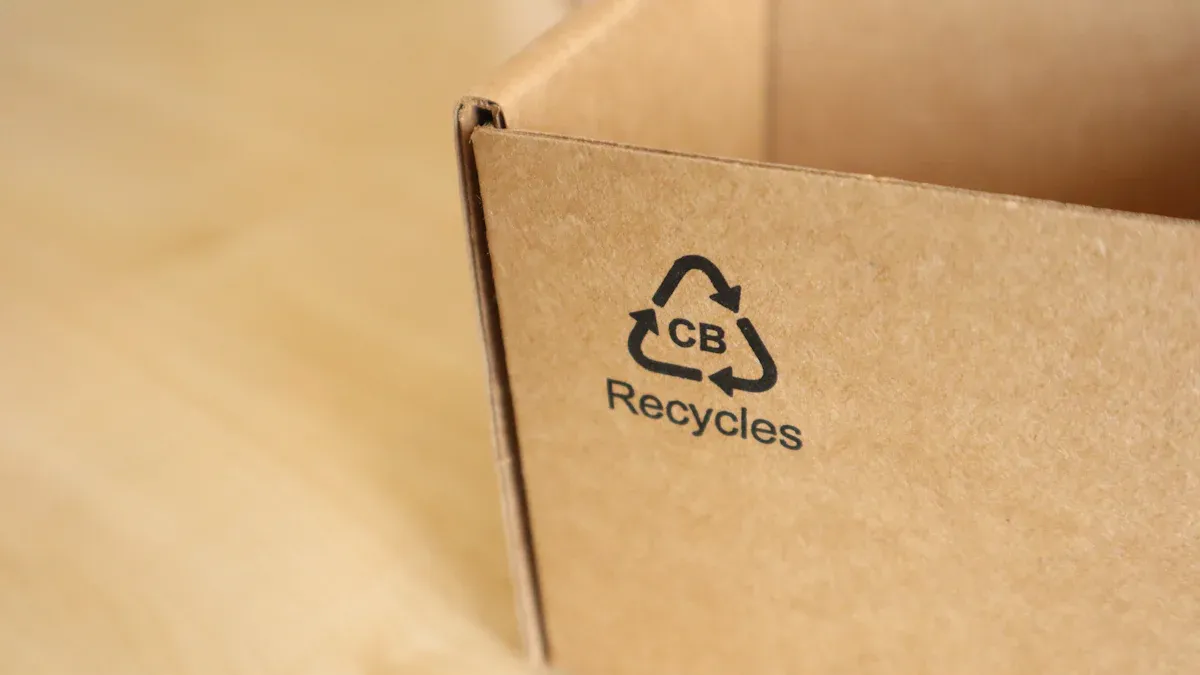
You can identify truly compostable products by looking for official certification marks. The BPI logo is a common symbol in North America. This mark on packaging means the product meets scientific standards. New legislation makes these labels reliable. You can even verify a product yourself. BPI’s Online Product Catalog lists every certified item. This tool helps you confirm that the packaging meets compostability standards, a key part of this consumer protection legislation. This specific regulation helps you make informed choices.
Your Role in the Composting Stream
Your responsibility starts after you use the packaging. You must dispose of it correctly. However, access to composting programs is still limited. Only about 3% of the US population has access to curbside programs that accept compostable packaging. This legislation aims to improve that.
Keep Contaminants Out! Improper disposal ruins compost. Never put these items in a compost bin:
Plastics like bags and wrappers
Glass or metal pieces
Chemicals like pesticides
Contamination is a major challenge for this legislation. Following local disposal rules is the best way to support the goals of this regulation. This legislation cannot succeed without clean composting streams.
Spotting and Reporting Greenwashing
Some companies use misleading claims to sell products. This practice is called greenwashing. This type of marketing violates consumer protection legislation. You should watch for vague terms on packaging like "eco-friendly" or "earth-conscious." This legislation requires claims to be specific. Also, be wary of packaging that uses nature imagery, like leaves or green colors, without certification.
The Federal Trade Commission (FTC) has the authority to prevent deceptive practices under existing legislation. This federal regulation means companies can face serious legal penalties for false advertising. This legislation protects all consumers from dishonest marketing.
Navigating Regional Regulations
You will find that rules for compostable packaging change depending on your location. A packaging policy that works in one state might not be compliant in another. This complex web of legislation means you must pay close attention to local and international standards. This regulation is always evolving.
State-by-State Law Comparison
Many states now have their own compostable packaging laws. This state-level legislation often focuses on accurate labeling and banning misleading terms. For example, states like California, Washington, and Maryland have passed specific legislation requiring third-party certification for any packaging you label as compostable. You should always monitor this changing legislation, like the updates to California's AB 1201. The packaging policy in California is very strict.
Did You Know? In Washington, your compostable packaging must have a green, beige, or brown color signal in addition to a certification logo. This legislation helps composters easily identify it.
The following table shows how this legislation differs in key states. Notice how California has multiple laws affecting packaging. This regulation in California sets a high bar.
|
State |
Specific Legislation |
Key Requirement |
|---|---|---|
|
California |
AB 1201 & SB 343 |
Your packaging must have BPI certification. The legislation in California also restricts misleading recycling symbols. |
|
Washington |
SB 5022 |
This legislation requires a third-party certification mark on your packaging. |
|
Maryland |
HB 264 |
This legislation bans vague terms like "biodegradable" and requires certification for compostable claims on packaging. |
Federal and International Standards
The United States does not have a single federal law for compostable packaging. The closest thing is the Federal Trade Commission's (FTC) Green Guides. This is not binding legislation. Instead, the guides provide a framework to help you avoid making deceptive claims. This federal regulation is currently under review.
Internationally, the rules are different. The European Union (EU) has its own mandatory standard. This packaging policy is known as EN 13432. The EU standard is stricter in some ways than the US ASTM D6400 standard. For example, the EU requires faster breakdown times for packaging. The packaging policy in the EU is a model for many countries. The EU has strong legislation. The EU is a leader in this area. The EU sets a high standard. The EU influences global packaging policy. The EU legislation is comprehensive. The EU has a clear packaging policy. The EU is strict. The EU leads the way.
Understanding both US and EU standards is vital if you operate in multiple markets. This global packaging policy landscape requires careful navigation.
You must follow this important legislation. Choose certified compostable packaging from brands like Ecolipak to meet this packaging policy. Consumers should look for BPI logos on compostable packaging. This compostable packaging legislation creates a shared responsibility. This packaging policy supports a circular economy. This legislation is a key regulation. This legislation is a necessary packaging policy. This legislation is a vital packaging policy. This legislation is a critical packaging policy. This legislation is a needed packaging policy. This legislation is a helpful packaging policy. This legislation is a key packaging policy. This legislation is a necessary regulation. This legislation is a vital piece of legislation.
Green Pack, Go for ECOLipak.
FAQ
What is the main goal of compostable packaging legislation?
This legislation aims to reduce landfill waste. The packaging policy ensures that any packaging labeled "compostable" truly breaks down. This important legislation protects the environment. The packaging policy also prevents misleading claims about packaging. This legislation is a key part of a sustainable packaging policy.
How can I be sure my packaging is compliant?
You should choose packaging with third-party certification, like BPI. This proves your packaging meets legal standards. This specific legislation requires verification. A strong packaging policy involves checking these labels. This legislation helps you select the right packaging. Ecolipak's certified packaging is a great choice.
Why is some packaging banned even if it's compostable?
Some packaging contains harmful "forever chemicals" like PFAS. New legislation bans this packaging to protect your health. This packaging policy prioritizes safety. Even if the packaging material is compostable, this legislation prohibits toxic additives. This legislation makes packaging safer for everyone.
What happens if I use non-compliant packaging?
You could face large fines and legal penalties. This legislation has strict enforcement. Your state's packaging policy sets the rules. Using incorrect packaging can also damage your brand's reputation. This legislation holds businesses accountable for their packaging choices. Following this legislation is essential.