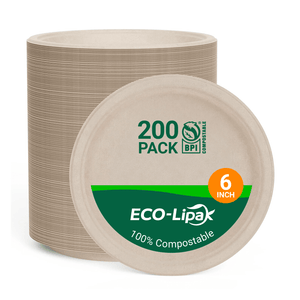
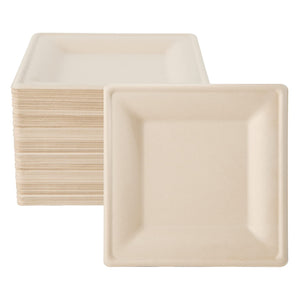
You want your meals to make a difference. Compostable plates help protect the environment, breaking down in months instead of centuries. Ecolipak leads with compostable sugarcane plates that are eco-friendly, biodegradable, and sustainable. Check out this table:
| Plastic Pollution | 8 million metric tons enter oceans yearly | | Decomposition Time | Plastic bags take up to 1,000 years | | Seabird Impact | 90% of seabirds have plastic in their stomachs | | Compostable Materials Benefit | Compostable materials break down in months |
Demand for compostable and biodegradable tableware keeps rising as people care more about sustainability. You might worry about environmental impact, proper disposal, or greenwashing. Ecolipak’s 60-Day Journey shows how compostable sugarcane plates make greener choices easy.
Key Takeaways
Choose compostable plates to help reduce plastic waste and support a healthier planet.
Look for certified compostable labels like BPI or ASTM D6400 to ensure your plates are truly eco-friendly.
Understand the difference between compostable and biodegradable to avoid misleading claims and make informed choices.
Support sustainable practices by using local foods and sharing eco-friendly knowledge with others.
Ecolipak's compostable plates break down in 60 days, turning into nutrient-rich soil and minimizing environmental impact.
Are Compostable Plates Really Eco-Friendly?
Ecolipak’s Sustainable Approach
You want to make choices that help the planet. Ecolipak’s mission centers on sustainability and protecting the environment. The company uses renewable resources to create compostable plates, focusing on eco-friendly packaging that supports a sustainable event. Ecolipak’s factory runs on clean energy, recycles all production waste, and holds multiple awards for innovation and design. The plates are UV pasteurized for food safety and decompose within 45 days, making them a smart alternative to conventional plastic. When you choose Ecolipak, you support a brand that values the sustainability of bioplastics and the environment.
Comparing Compostable and Traditional Plates
Let’s see how compostable plates stack up against traditional options:
Feature |
Petroleum (Plastic) Plates |
|
|---|---|---|
Material Source |
Renewable agricultural byproduct |
Non-renewable fossil fuels |
Biodegradability |
Fully biodegradable in 60-90 days |
Non-biodegradable; lasts hundreds of years |
Safety |
Free from harmful chemicals like BPA |
May contain harmful chemicals |
End of Life |
Becomes nutrient-rich soil |
Becomes microplastic pollution |
Compostable plates come from bioplastics derived from renewable natural resources. These plates break down quickly, turning into compost that enriches the soil. Traditional plastic plates, on the other hand, stick around for centuries and add to landfill waste. When you use compostable plates, you help reduce landfill waste and methane emissions. You also support the sustainability of bioplastics to replace petrochemical plastics.
Certifications and Standards
You want to know your compostable plates are truly certified compostable. Ecolipak’s plates meet top standards like ASTM D6400, EN 13432, and BPI Certification. These certifications prove the plates are safe for food, contain no added fluorinated chemicals, and meet strict compostable requirements. The plates also show strong material performance, handling hot food and moisture without breaking. When you pick certified compostable plates, you choose biodegradable items that support a healthier planet and show real bioplastic degradability.
Tip: Always check for certified compostable labels to avoid greenwashing and make sure your plates are truly eco-friendly.
Compostable vs. Biodegradable Plates
Key Differences Explained
You might see the words compostable and biodegradable on plates, but they do not mean the same thing. Compostable plates always break down into safe, nutrient-rich compost when you put them in the right conditions. Biodegradable plates can break down, but sometimes they leave behind microplastics or other waste. Not all biodegradable plates are good for the environment.
Here’s a quick look at the main differences:
Criteria |
Compostable |
Biodegradable |
|---|---|---|
Made entirely of organic materials |
Can include non-organic materials |
|
Decomposition Process |
Decomposes into compost |
May break down into microplastics or other residues |
Time Frame & Environment |
Must specify conditions for composting |
Not necessarily specified for biodegradation |
All compostable items are biodegradable |
Not all biodegradable items are compostable |
You want to know these differences because compostable plates help the environment more. Biodegradable plates might not break down everywhere, which can cause pollution.
Why Compostable Matters for Ecolipak
Compostable plates matter for Ecolipak because they support real change. When you choose compostable plates, you help turn waste into healthy soil. This process only works if the plates meet strict compostable standards. Ecolipak’s plates use bioplastic and sugarcane bagasse. They break down in composting facilities and leave no toxins behind. You can trust that these plates will not harm the environment or your food.
Choosing compostable plates also fights greenwashing. You make sure your packaging does not add to plastic pollution. You support responsible disposal and lower your environmental impact. Ecolipak’s compostable plates give you a simple way to help the planet.
How to Identify Genuine Eco-Friendly Products
You want to pick the right plates for your next event or meal. Look for these signs to make sure your plates are truly eco-friendly:
Description |
|
|---|---|
BPI Certification |
Shows the plates meet compostability standards. |
OK Compost |
Means the plates are compostable in industrial facilities. |
Biodegradable |
Check for details—some plates may not break down fully. |
Eco-friendly claims |
Always look for real certifications, not just words. |
When you see these certifications, you know your plates have real biodegradability. You can feel good about your packaging choices and their impact on the environment. Compostable plates from Ecolipak make it easy to enjoy your food and protect the planet at the same time.
The 60-Day Journey of Ecolipak Sugarcane Plates
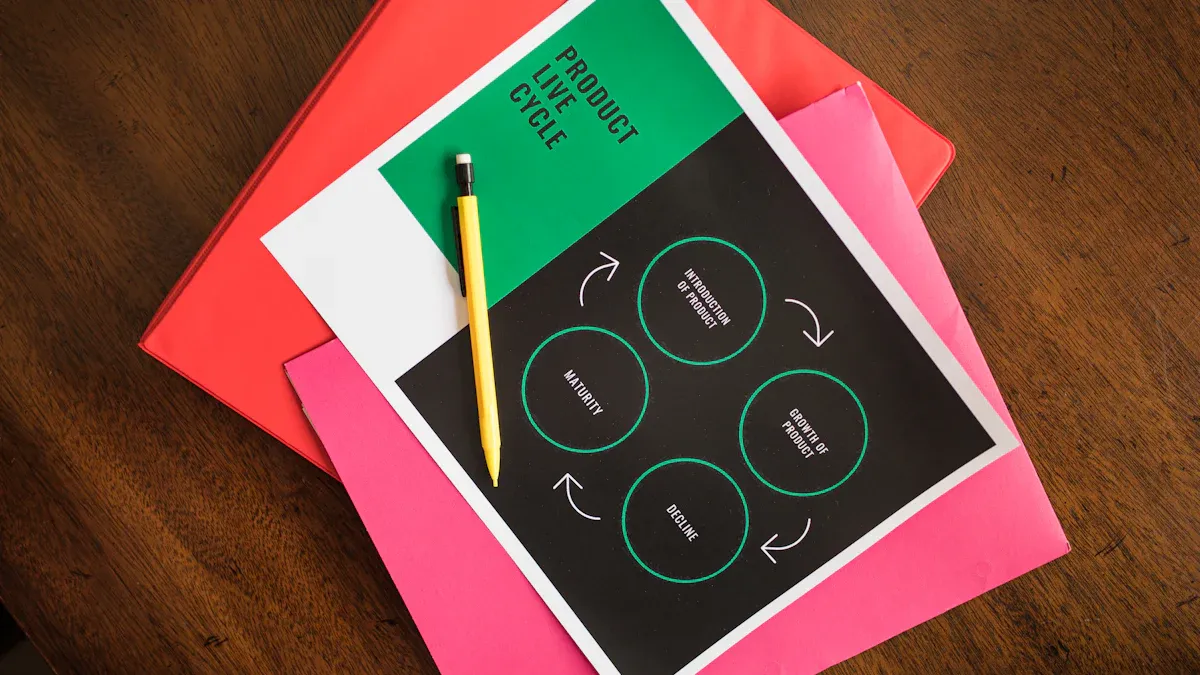
From Sugarcane Pulp to Plate
You might wonder how your plate starts its 60-day journey. It all begins with sugarcane. After farmers press sugarcane for juice, they have leftover pulp called bagasse. Ecolipak collects this plant fiber and gives it a new purpose. Instead of burning or tossing it, Ecolipak turns the pulp into strong, compostable plates.
Here’s how your plate comes to life:
Ecolipak sources bagasse, a renewable byproduct of sugarcane.
The company cleans and presses the pulp into molds, shaping it into sturdy plates.
These plates get tested for strength, leak resistance, and microwave safety.
Every plate meets certified compostable standards, so you know it’s safe for you and the planet.
This process uses less energy and water than making plastic plates. It also creates fewer greenhouse gases. By choosing sugarcane plates, you help reduce waste and support a circular economy. You turn what would be trash into something useful for your table.
Tip: When you use plant fiber plates, you help keep forests standing and cut down on plastic pollution.
Using Compostable Plates at Events
You want your party or picnic to be easy and eco-friendly. Compostable plates from Ecolipak make that possible. These plates work for hot pizza, saucy barbecue, or cold salads. They don’t leak or break, even when you pile on the food.
Let’s see how compostable plates perform at real events:
Guests say these plates feel more like real dishware than flimsy paper plates.
The deep wells and sturdy rims stop spills, so your food stays on the plate.
You can microwave leftovers or freeze extra food without worry.
Cleanup is simple. Just gather the used plates and toss them in the compost bin.
At a family reunion, people noticed the difference. Traditional paper plates leaked and collapsed. Compostable plates stayed strong and made cleanup a breeze. Everyone enjoyed their meal and felt good about making a sustainable choice.
Note: Compostable plates help you serve food safely and protect the environment at the same time.
Composting and Breakdown Timeline
Now, let’s follow your plate to the end of its 60-day journey. After your meal, you place the used plate in a compost bin. In a commercial composting facility, the plate starts to break down. Microbes and heat turn the sugarcane plate into nutrient-rich soil.
Here’s what happens during the composting process:
The plate enters a compost pile with food scraps and yard waste.
Microbes eat away at the bioplastic and sugarcane fibers.
In 60 days, the plate disappears, leaving behind healthy compost.
Check out this table to see how compostable plates compare to plastic:
Feature |
Compostable Sugarcane Plates |
PET Plastic Plates |
|---|---|---|
Decomposition Time |
60 days |
Centuries |
End Product |
Nutrient-rich soil |
Microplastics |
Certified Compostable |
Yes |
No |
Toxin-Free |
Yes |
No |
You can trust that Ecolipak’s certified compostable plates leave no toxins behind. They break down completely and help gardens grow. You close the loop by turning waste into something good for the earth.
Callout: The 60-day journey of compostable plates shows how easy it is to make a positive impact with every meal.
How to Dispose of Compostable Plates Responsibly
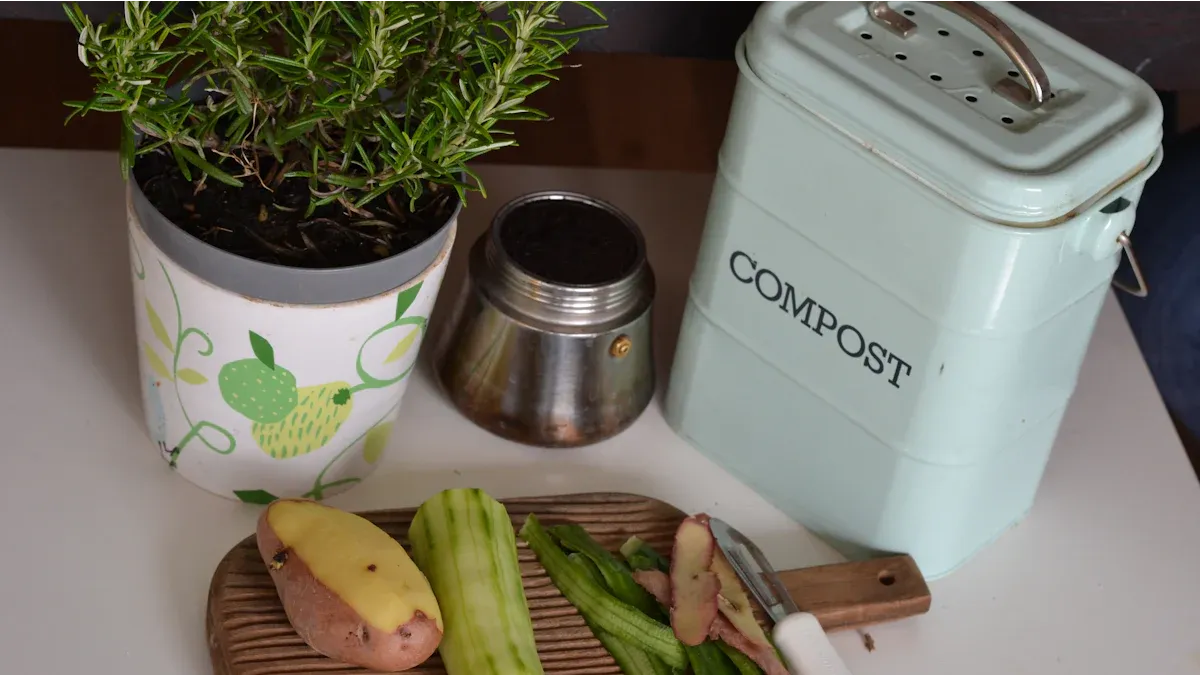
You want your eco-friendly plates to make a real difference. The way you handle disposal matters as much as the plate you choose. Let’s break down the best ways to handle proper disposal so your sustainable choices count.
Home vs. Industrial Composting
Not all composting works the same. You can compost at home or use an industrial facility. Here’s a quick look at the differences:
Aspect |
Home Composting |
Industrial Composting |
|---|---|---|
Temperature |
Lower, less steady |
High, stable |
Decomposition Time |
Slower |
Faster |
Space Needed |
Small, manageable |
Large, special facilities |
Materials Accepted |
Many items, but not all |
Some plates need these conditions |
Environmental Impact |
Flexible, easy for families |
Needs collection programs |
Home composting lets you turn plates and food scraps into soil right in your backyard. You just need a bin, some dry leaves, and food waste. Keep the pile moist and turn it now and then. In about 6-12 months, you’ll have rich compost for your garden.
Certified compostable products are made from plant-based materials designed to break down in composting facilities, meeting specific standards to ensure their compostability.
What If Composting Isn’t Available?
Sometimes you can’t compost at home or find a local facility. Don’t worry—you still have options:
Ask neighbors if they compost and can take your plates.
Check if community gardens accept compostable plates.
Start a small compost bin, even on a balcony.
If you must, send plates to the landfill. They still break down faster than plastic.
Ecolipak supports you with tips and resources for sustainable disposal. You can find guidance on their website to help you make the best choice.
Common Disposal Mistakes
You want to avoid common mistakes with proper disposal:
Don’t put compostable plates in the recycling bin. They can contaminate recycling streams.
Don’t mix up biodegradable and compostable labels. Not all biodegradable plates break down the same way.
Always check for certifications like ASTM D6400 or EN 13432.
Choosing the right bin and understanding labels helps your sustainable efforts succeed. Ecolipak makes it easy by providing clear instructions and certified products.
Avoiding Greenwashing in Eco-Friendly Tableware
Spotting Misleading Claims
You want to make sure your plates are truly sustainable. Many companies use greenwashing to make their products look better for the planet than they really are. Here are some common tactics you might see:
Greenwashing Tactic |
Description |
|---|---|
Companies swap these terms, confusing you about the real impact. |
|
Environmental tokenism |
They highlight one eco-friendly feature but ignore other problems. |
Use of vague terms |
Words like "natural" or "eco-friendly" sound good but often lack details. |
Watch out for plates with lots of green colors, leaves, or nature images but no clear explanation. Some products use words like "compostable" or "recyclable" just to catch your eye. These claims can be misleading if the plates do not meet real standards.
Tip: If a product says it is "biodegradable" or "eco-friendly" but does not explain how, you should be careful.
Reading Labels and Certifications
You can avoid greenwashing by reading labels closely. Look for certified compostable logos and numbers on the packaging. Here’s how you can check if your plates are truly sustainable:
Find official certification logos like BPI or ASTM D6400.
Ask for certificates and check them with the certifying group.
Request lab test reports if you want extra proof.
Make sure the claims are clear and easy to understand.
ISO 14021 says companies must give accurate and clear information. You should see specific details, not just fancy words. Ecolipak always lists certified compostable standards and uses honest labeling, which builds trust.
Aspect |
Ecolipak |
Industry Standards |
|---|---|---|
Transparency in Labeling |
Clear certifications and honest labeling |
Varies, often lacks clarity |
Compostability Standards |
Meets ASTM D6400 and EN 13432 |
Many do not meet these standards |
Consumer Trust |
High due to transparency |
Often low due to greenwashing |
Questions to Ask Before Buying
You want to feel confident about your plates. Here are some questions to ask:
Is this product certified compostable by a trusted group?
Does the packaging show clear and honest information?
Can I find proof of compostable or sustainable claims?
Does the company explain how the plates break down?
When you ask these questions, you make smarter choices. Ecolipak’s plates always meet certified compostable standards and give you the details you need for a sustainable table.
You want your table to make a real difference. Choosing Ecolipak’s Compostable Sugarcane Plates brings you these environmental benefit highlights:
Save water and energy with every meal.
Cut down on waste by using plates that break down fast.
Lower your carbon footprint and help the planet.
When you understand the difference between compostable and biodegradable, you avoid greenwashing and pick products that truly help the earth. Want more tips for your next event? Check out these ideas:
Strategy |
Description |
|---|---|
Sustainable Sourcing |
Use local and organic foods to support the planet and your community. |
Educational Engagement |
Share what you learn about eco-friendly choices with your guests. |
Digital Event Materials |
Go paperless to reduce waste and keep things simple. |
Feel good about your choices. Share this post or visit Ecolipak’s website for more ways to go green!
FAQ
How do I know if my Ecolipak plates are compostable?
You can check the packaging for BPI or ASTM D6400 certification. These labels show your plates meet compostable standards. If you have questions, visit Ecolipak’s website for more details.
Can I use Ecolipak plates for hot or oily foods?
Yes! You can serve hot, oily, or saucy dishes on these plates. They are sturdy and leak-resistant. You can even use them in the microwave or freezer.
What should I do if I can’t compost at home?
You can ask a neighbor or a local garden if they accept compostable plates. Some cities have compost drop-off spots. If you must throw them away, they still break down faster than plastic.
Are compostable plates safe for kids and pets?
Yes, these plates are toxin-free and BPA-free. You can feel good about using them for family meals, parties, or picnics.
Why does the food packaging industry care about compostable plates?
The food packaging industry wants to reduce waste and pollution. Compostable plates help protect the planet. Many companies now choose eco-friendly options to meet customer demand and support sustainability.