Polylactic Acid (PLA) is a popular bioplastic made from renewable plant resources like corn starch. This material is used for many items, including PLA drinks cups. A common question is whether pla biodegradable. While often called biodegradable, this bioplastic is actually "commercially compostable." This means it requires the specific high-heat conditions of an industrial facility to break down effectively. The market for materials like Polylactic Acid is expanding rapidly.
|
Metric |
2024 |
2033 |
CAGR (2025-2033) |
|---|---|---|---|
|
Market Value (USD Billion) |
16.24 |
84.3 |
20.08% |
Key Takeaways
-
PLA is a bioplastic. It comes from plants like corn. It is not made from oil.
-
PLA is 'commercially compostable.' It needs special factories to break down. It does not break down in a backyard or landfill.
-
Industrial composting needs high heat and moisture. These conditions help PLA turn into natural elements.
-
PLA has benefits. It uses fewer fossil fuels. It creates less pollution than regular plastic.
-
PLA has challenges. There are not enough industrial composting places. PLA can also mix with other plastics during recycling.
What Is Polylactic Acid (PLA) and How Is It Made?
Polylactic acid is a unique bioplastic derived from renewable, natural resources. Unlike traditional plastics made from petroleum, this material starts with plants. The primary sources for PLA production are crops rich in starch, such as corn, sugarcane, and tapioca. This plant-based origin is what makes it a leading member of the bioplastics family. The journey from a plant to a finished product is a fascinating multi-step process.
The creation of PLA involves advanced biochemical techniques. It transforms simple plant sugars into a strong and versatile polymer. The manufacturing process generally follows these key stages:
-
Starch Extraction and Conversion: First, starch is extracted from the plant source through a process called wet milling. This starch is then broken down into simple sugars, like dextrose or glucose, using enzymes and heat.
-
Fermentation: Next, microorganisms such as Lactobacillus bacteria are introduced to the sugar. These bacteria ferment the sugar, converting it into lactic acid. This is the same natural process used to make foods like yogurt.
-
Polymerization: The purified lactic acid is then converted into long-chain molecules, or polymers. This is done through a process called polymerization, which links the individual lactic acid molecules together to form polylactic acid.
The final raw material is a bioplastic resin, typically in the form of small pellets. These pellets can then be melted and molded into various products, from clear cold cups to 3D printing filament.
This innovative process is carried out on a massive scale by global leaders in the industry. Companies like NatureWorks and Total Corbion are major producers, with facilities capable of manufacturing hundreds of thousands of tons of PLA annually.
Is PLA Biodegradable or Just Compostable?
The terms "biodegradable" and "compostable" are often used interchangeably, but they mean very different things. This confusion is at the heart of understanding the environmental impact of PLA. While PLA is a step in the right direction, its end-of-life disposal is critical. Let's clarify the distinction and explore the true biodegradability of PLA.
Biodegradable vs. Compostable: A Key Difference
Understanding the difference between these two terms is essential. The concepts of biodegradability and compostability are defined by specific scientific standards to avoid confusion.
A biodegradable material is anything that can be broken down by microorganisms like bacteria or fungi into natural elements such as carbon dioxide, water, and biomass. However, the term itself does not specify a timeframe. A material could take hundreds of years to break down and still be technically called biodegradable.
A compostable material is much more specific. For a product to be labeled as compostable, it must meet strict criteria set by organizations like ASTM International and the International Standards Organization (ISO). These standards ensure the material:
-
Breaks down into natural elements within a specific timeframe (e.g., 180 days).
-
Disintegrates into small, non-visible pieces.
-
Leaves behind no toxic residue, resulting in healthy, nutrient-rich soil (humus).
In short, all compostable items are biodegradable, but not all biodegradable items are compostable. Compostability is a more rigorous standard that guarantees a material will break down quickly and safely in a specific environment.
Key standards that define these properties include:
-
ASTM D6400 (North America): The standard for labeling plastics designed to be composted in industrial facilities.
-
EN 13432 (Europe): The European equivalent, which also requires disintegration and biodegradation within a set period.
Certification bodies like the Biodegradable Products Institute (BPI) in North America and TÜV Austria in Europe verify that products meet these standards, giving consumers confidence in a product's claims.
The True Biodegradability of PLA
So, is PLA biodegradable? Yes, but only under very specific conditions. The common perception of a product being biodegradable is that you can toss it in your backyard and it will disappear. This is not the case for PLA. The misleading biodegradability of PLA is a major point of confusion for consumers.
The biodegradability of PLA is almost entirely dependent on its disposal environment. Here is a simple breakdown of what happens to PLA in different settings:
|
Environment |
Decomposition Time |
Required Conditions |
|---|---|---|
|
Industrial Compost |
90–180 Days |
High heat (>140°F), humidity, and specific microbes. |
|
Home Compost Pile |
Many Years |
Lacks consistent high temperatures needed for breakdown. |
|
Landfill |
Hundreds of Years |
Lacks oxygen and heat, behaving like traditional plastic. |
|
Ocean / Soil |
Hundreds of Years |
Cool temperatures prevent decomposition, contributing to pollution. |
Standard PLA is not home compostable. While the development of home-compostable PLA is an area of ongoing research, the products widely available today require industrial processing. Without it, the environmental benefits of PLA are lost.
Why Industrial Composting Is Required
The compostable nature of PLA can only be realized in an industrial composting facility. These facilities create the perfect storm of conditions needed to trigger and accelerate the decomposition process. Home composting systems simply cannot replicate this environment consistently.
The three key factors required are:
-
High Temperatures: PLA needs sustained heat above 140°F (60°C). This high temperature initiates a process called hydrolysis, where water breaks down the polymer chains into smaller lactic acid molecules. Microbes then consume these smaller molecules.
-
High Humidity: Moisture is essential for the hydrolysis process and for keeping the microbial communities active and healthy.
-
Specific Microorganisms: Industrial compost piles cultivate a rich community of thermophilic (heat-loving) microbes that are highly effective at breaking down materials like PLA.
The following chart clearly shows how temperature impacts the mineralization (breakdown) of PLA. At the high temperatures of an industrial facility (58°C), breakdown is over 90%. At lower temperatures typical of a home compost pile or the natural environment, the process slows dramatically.
Because home compost piles rarely maintain temperatures above 140°F for extended periods, a PLA cup or container will remain largely intact for years. In a landfill, deprived of oxygen and heat, it can persist for centuries, just like traditional plastic. Therefore, to unlock the environmental benefits of PLA, proper disposal in an industrial composting facility is not just recommended—it is essential.
Ecolipak's Sustainable PLA Solutions
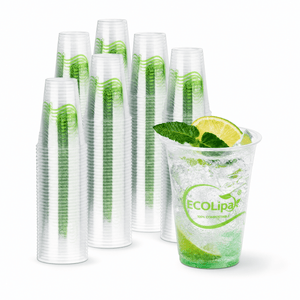
Understanding PLA theory is one thing; seeing it in action is another. Ecolipak brings this bioplastic to life with practical, high-quality sustainable packaging. A perfect example is our Biodegradable Clear PLA Cold Cups. These containers demonstrate how smart design can make eco-friendly choices easy for everyone. Our commitment to sustainability drives us to create products that are both functional and responsible.
These cups are a leading choice in sustainable packaging. They offer the best of both worlds. You get the convenience of a disposable cup without the environmental guilt of traditional plastic. Key features include:
-
Plant-Based Material: The cups are crafted from PLA, a bioplastic derived from renewable plant resources. They are BPI certified, confirming they are made from 100% compostable materials that break down safely in industrial facilities.
-
Crystal-Clear and Durable Design: These containers have a modern, transparent look that showcases your beverages. They are also sturdy and pliable, preventing the cracks and breaks common with flimsy plastic cups.
-
Safe and Versatile: All our PLA cups are BPA-free, ensuring a safe drinking experience. The PLA lining begins to soften around 50-60°C, making them ideal for cold drinks like iced coffee, smoothies, and juices.
Many customers, from event planners to families, praise these cups. They often share how the sturdy design and pleasing appearance make them a reliable choice for any occasion. This positive feedback highlights the value of effective sustainable packaging. These products, along with other biodegradable food containers, prove that you don't have to sacrifice quality to protect the planet. Ecolipak provides sustainable packaging solutions that work.
Advantages and Disadvantages of PLA
PLA is a promising material in the world of sustainable packaging, but it is important to understand both its strengths and its weaknesses. The eco-friendly profile of PLA comes from its unique origins and properties. However, its end-of-life journey presents real-world challenges that need solutions.
Advantages of PLA Plastic
The primary environmental benefits of PLA stem from its production and versatility. As an environmentally responsible plastic, it offers several key advantages over traditional petroleum-based plastics.
-
Renewable and Lower Carbon Footprint: PLA is a bioplastic made from plant resources like corn. Its manufacturing process requires 68% less fossil fuel than conventional plastics. This results in significantly lower greenhouse gas emissions.
-
Versatile Applications: PLA is incredibly adaptable. It is used to make compostable plastic bottles and clear food containers. In the medical field, it creates dissolvable sutures. It is also a popular material for 3D printing filament and biodegradable films and bags.
-
Safe for Use: This material is non-toxic and generally recognized as safe for contact with food in cold applications, making it a great eco-friendly alternative.
Disadvantages and Challenges
The challenges with PLA are less about the material itself and more about our current systems for handling waste. These issues prevent the bioplastic from being fully circular.
A truly circular economy requires infrastructure that can properly process materials at the end of their life. For PLA, this infrastructure is still developing.
-
Limited Composting Infrastructure: The biggest hurdle is the lack of widespread industrial composting facilities. Without them, PLA products often end up in landfills, where they do not break down.
-
Recycling Contamination: PLA can accidentally get mixed with PET plastics during recycling. Because they look similar, sorting machines struggle to separate them. This contamination lowers the quality of recycled PET, creating problems for the recycling industry.
-
Waste Management Concerns: The rise of 3D printing has led to a concern for 3d printing waste management. Systems for recycling pla 3d printing waste are needed to make this application more circular and sustainable. The goal is to create a circular path for all PLA products, from sustainable packaging to 3D prints.
PLA is a bioplastic made from plants, a significant step toward environmental sustainability. Using this bioplastic can reduce greenhouse gas emissions by 25% compared to traditional plastics. The question of whether pla biodegradable is complex; its benefits depend entirely on proper disposal in industrial compost facilities.
To make a real difference, choose certified sustainable packaging from brands like Ecolipak. Advocating for more composting options helps create a truly circular path. This circular approach is key to making our waste systems more circular.
FAQ
Is PLA better than regular plastic?
Yes, in many ways. PLA plastic comes from renewable plants like corn, not fossil fuels. Its production uses less energy and creates fewer greenhouse gas emissions. This makes it a more sustainable choice from the start.
Can you put hot drinks in PLA cups?
No, standard PLA is not suitable for hot beverages. The material can soften and lose its shape at high temperatures, typically above 140°F (60°C). It is designed specifically for cold drinks like iced coffee, smoothies, and juice.
What happens if PLA ends up in the ocean?
PLA does not biodegrade in the ocean. The cold water and lack of specific microbes prevent it from breaking down. It will persist for hundreds of years, contributing to plastic pollution just like traditional plastics.
Important Note: Proper disposal is key. PLA's environmental benefits are only realized when it is sent to an industrial composting facility.
Is PLA plastic safe for food?
Yes, PLA is considered safe for food contact, especially with cold items. It is non-toxic and BPA-free. This makes it a popular and responsible choice for food packaging, cups, and containers.