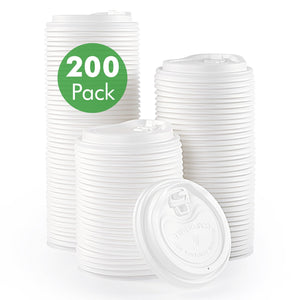
Quick Answer: A 3.54-inch CPLA cup lid is a candidate match for some 12 oz and 16 oz paper hot cups, but diameter alone does not guarantee a secure fit. Buy a 200-count box to test the actual cup rim and drink workflow before moving to the current 1,200-count carton. Keep a separate count of cups and lids, because offices and cafes often use them at different rates.
Key Takeaways
- Test the exact lid on the exact cup; “universal” wording is not a substitute for a physical fit check.
- The current 3.54-inch CPLA lid offers 200 or 1,200 pieces; the smaller 3.15-inch lid is a different product.
- Check the lid after filling, carrying and tilting the drink, without treating any lid as spill-proof.
- Forecast lids from drinks leaving the station, not from the total cups used.
Keep the original matching rule, add a test
The original article correctly focused on matching cup and lid, a small detail that determines whether a coffee station feels dependable. The missing step was operational: how does a buyer know a specific lid will grip a specific paper rim? A nominal diameter can narrow the search, but paper cup rim thickness, rolled edge and manufacturing tolerance can change the snap. Before buying a carton, use a sample from the current cup stock, fill it with the drink served, press the lid all the way around and check the closure after normal handling.
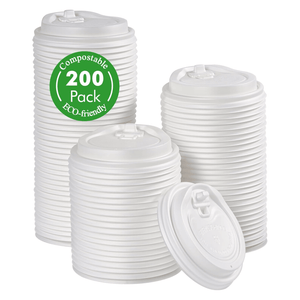
ECO-Lipak's 3.54-inch white CPLA sip-through lid is currently listed in 200-count and 1,200-count formats. The listing mentions several cup capacities, but those sizes do not have one universal rim. Confirm fit with the exact cup SKU rather than assuming every 12 oz cup shares the same mouth. The 3.15-inch CPLA lid is a separate smaller-diameter option for appropriately sized cups; do not mix the two in one unlabelled storage bin.

A five-minute fit check before a case purchase
Choose a fresh cup from each carton or supplier you intend to use. Press the lid at four points around the rim; a lid that appears seated on one side can lift on the other. Fill the cup to the normal service level, close it and carry it across the counter. Then make a careful tilt test over a sink or tray. Do not shake a hot drink or perform unsafe tests. Repeat with a cold drink only if that combination is actually part of the menu. A good fit should feel consistent across several cups, not just the first sample.
| Check | Pass question | Action if it fails |
|---|---|---|
| Nominal diameter | Does the chosen lid roughly match the cup rim? | Try the correctly sized lid, not more force |
| Full-rim snap | Does the lid seat evenly at every point? | Test another cup and lid; do not assume compatibility |
| Normal carry | Does it stay seated when the drink is carried? | Change the cup-lid pairing |
| Service temperature | Does the pair behave as expected for the actual drink? | Confirm product instructions and retest |
| Storage label | Can staff tell 3.54 from 3.15 inches? | Separate and label the bins |
For the cleanest procurement choice, a pre-paired 12 oz cup-and-lid set may remove some matching work, though the buyer should still test its handling. If cups are already purchased from another range, a separate 200-count lid box is a lower-risk fit trial than a full case.
Count lids differently from cups
An office coffee station might use 300 cups in a week but only 120 lids because most drinks stay near the machine. A delivery-heavy cafe may need a lid for nearly every cup and a few extras for replacements. Record the weekly number of covered drinks and damaged or dropped lids. Suppose 180 drinks leave the station each week and you add a 10% working allowance: plan about 198 lids per week. One 200-count box covers roughly a week. A 1,200-count carton covers about six weeks at that pace, but only if the fit has already been confirmed and the storage area keeps lids clean.
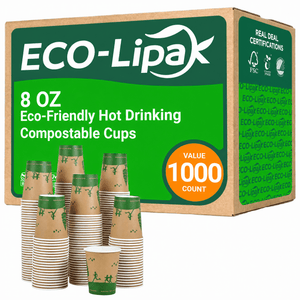
Reorder when expected lids until the next delivery plus a busy-period buffer exceed usable lids on hand. Count opened sleeves, not only sealed boxes. Do not automatically order one lid for every cup if the actual workflow uses fewer. Equally, do not let a box of cups create a false sense that lids are sufficiently stocked. The hot cup collection is a useful comparison page, but each cup-and-lid combination should be tested as a pair.
Three service scenarios
Cafe takeaway rush
During a morning rush, staff need to reach the correct lid without inspecting a package. Keep the 3.54-inch size by the matching cup stack and remove incompatible lids from the working area. Test the fully filled hot drink as served, including sleeves or trays. A lid reduces ordinary splashes when well fitted; it is not a guarantee against tipping a cup over.
Office self-service station
Employees may often skip lids. Put a smaller stack beside cups, track replenishment separately and keep an extra sleeve for meetings when more people carry drinks. The cost per lid from a 1,200-count carton matters only if those lids are actually used before a change in cups or suppliers makes them incompatible.
Event coffee cart
A cart may switch between 8 oz and 12 oz sizes. These may require different lid diameters. Put clear labels on the lids and test each cup variant. When a supplier changes the cup, run the test again rather than reusing the old assumption. A fit problem discovered during an event is harder to solve than one found during purchasing.

Keep material claims precise
CPLA is a plant-derived plastic material, but a material description alone does not mean every local compost collector accepts the finished lid. The old article's broad environmental message should be read with that distinction. Ask the local program whether it accepts this exact lid and the paired paper cup; the two items can have different rules. ECO-Lipak's certification guide explains what buyers should verify, and the U.S. EPA composting overview explains why processing routes matter. A fitted lid that serves the drink reliably and has a verified disposal route is a stronger purchase than one chosen on an untested “universal” claim.
Frequently Asked Questions
Will a 3.54-inch CPLA lid fit every 12 oz cup?
No. Nominal capacity does not guarantee the same rolled-rim geometry. Test the exact lid and cup together.
Should I buy 200 or 1,200 lids?
Start with 200 to validate fit and measure usage. Move to 1,200 when a recurring workflow and clean storage support it.
Can I use a 3.15-inch lid on a 3.54-inch cup?
No. They are different nominal diameters and should be stored separately.
Are fitted lids completely leakproof?
No. Test normal handling, but do not promise protection from tipping or improper seating.
Can CPLA lids go in any compost bin?
No. Check the exact product and local collector acceptance before giving disposal instructions.