Quick Answer: Restaurants should consider sugarcane to-go boxes when foam clamshells no longer match their food quality, customer expectations, or sustainability claims. The switch works best for menus with rice bowls, wraps, salads, roasted vegetables, and moderate sauces. Before ordering in bulk, test lid fit, stacking, moisture behavior, holding time, and portion size with real menu items.
Key Takeaways
- Do not switch by material alone. Test the package with your actual menu, not a generic sample plate.
- Leak resistance is about fit. Food volume, sauce placement, and closure pressure matter as much as the container material.
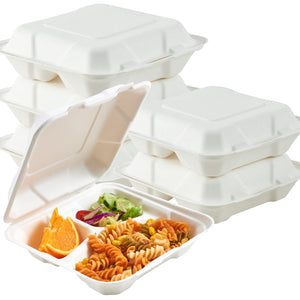
- Use compartment boxes for mixed meals. They help keep rice, salad, sides, and sauces from collapsing into one texture.
- Build a 7-day transition. Run a small packing-line test before changing every delivery order.
- Keep claims specific. PFAS-free, BPA-free, and compostable should be used only where supported by product facts and local disposal context.
Foam clamshells became common because they are light, familiar, and cheap to handle. But many restaurants now need packaging that tells a different story: better presentation, fewer material concerns, and a cleaner fit with sustainability goals. Sugarcane to-go boxes can be a strong option, but the best switch is operational, not cosmetic.
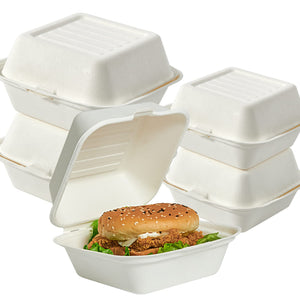
ECO-Lipak's clamshell sugarcane to-go boxes and 8 x 8 in compartment sugarcane to-go boxes are designed for real foodservice use: rice meals, wraps, sides, salads, and takeout orders that need a container with structure. This guide explains how to evaluate the switch before a busy weekend exposes every weak spot.

Start With the Menu, Not the Material
A container that works for a salad may not work for noodles. A box that stacks neatly when empty may behave differently with steam, sauce, and a delivery bag. The right evaluation starts with your top 10 menu items, especially the ones that drive complaints, refunds, or repacking during rush hour.
| Menu type | Best container choice | Test before buying | Watch for |
|---|---|---|---|
| Rice bowls | Single-compartment sugarcane box | Steam release and sauce pooling | Soggy bottom after holding |
| Wrap plus side salad | Compartment to-go box | Fit across sections | Salad compression |
| Roasted vegetables | Single or compartment box | Oil contact and lid closure | Corner leakage if overfilled |
| Cold salad | Shallow box or bowl | Leaf volume and dressing placement | Crushed greens |
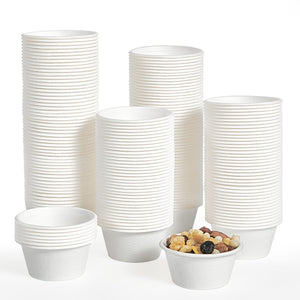
| Condiments | sugarcane souffle cups | Portion control and lid pairing | Loose sauces in the main box |
The 7-Day Switching Test
- Day 1: Pack your five highest-volume menu items in the new box and photograph the portion fit.
- Day 2: Hold packed meals for 15, 30, and 45 minutes to check moisture and lid behavior.
- Day 3: Stack filled boxes in delivery bags and inspect corners after movement.
- Day 4: Time how long the packing line takes compared with the old clamshell.
- Day 5: Ask staff which menu items need compartments, cups, or different portioning.
- Day 6: Test customer-facing language so claims stay specific and not overstated.
- Day 7: Set reorder points based on actual daily volume, not the first enthusiastic guess.

What Facility and Brand Teams Should Check
Packaging choices affect more than the kitchen. The front counter needs a clear answer when customers ask what the box is made of. The purchasing team needs a reorder point. The delivery team needs stacks that fit bags. The brand team needs environmental language that can be defended.
The FTC Green Guides are a useful reference for avoiding vague environmental claims. The EPA's food waste guidance is also a reminder that packaging should protect the meal well enough to prevent avoidable waste. For kitchen handling, review general FDA food safety guidance and your local health department requirements.

Inventory Planning Without Overbuying
When the test works, do not jump straight to a full warehouse change. Start with the box that covers your highest-volume order type, then add specialty formats only where they solve a real problem. Many restaurants can begin with one main to-go box collection, one compartment option, and a small supply of condiment cups or lids for sauces.
- Keep one open carton near the packing line and reserve unopened cartons in dry storage.
- Use compartments for meals where texture separation matters.
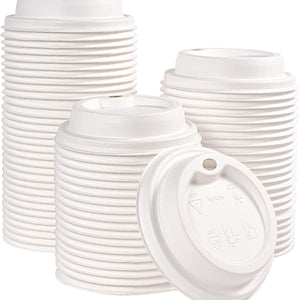
- Use sugarcane cup lids or condiment systems for sauces instead of overfilling the main box.
- Track the first two weeks of complaints, leaks, and repacks before locking reorder volume.
When Sugarcane To-Go Boxes Are Not the Right First Switch
If your menu is mostly soup, very liquid curry, or long-hold crispy fried foods, start with a more specific container test. A sugarcane clamshell can work beautifully for many meals, but it cannot fix a mismatch between hot steam, long delivery windows, and delicate texture. In those cases, test venting, sauce separation, and customer reheating instructions before scaling up.
FAQ
Are sugarcane to-go boxes better than foam clamshells?
They can be better for restaurants that need compostable, PFAS-free, or more brand-aligned packaging, but the right choice depends on menu fit, delivery time, and disposal options.
Do sugarcane clamshells leak?
Leak risk depends on the food, portion size, sauce placement, and closure. Test saucy meals before using any container for delivery at scale.
When should I use a compartment to-go box?
Use compartment boxes when rice, salad, sides, and proteins need to stay separated for texture or presentation.
Can restaurants claim sugarcane boxes are eco-friendly?
Use specific, supportable claims instead. Say compostable, PFAS-free, BPA-free, or sugarcane fiber where those facts apply, and avoid broad claims that ignore local disposal rules.
How many formats should a small restaurant stock?
Start with one main box, one compartment box if needed, and one condiment cup or lid system. Add formats only when a menu item clearly requires them.