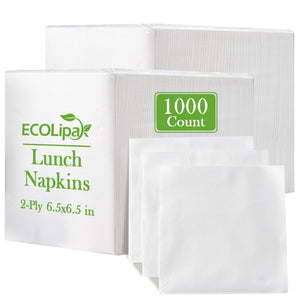
Quick Answer: A cafe should choose between a 1,000-count box and a 4,000-count carton of white two-ply napkins by counting napkins used per drink and pastry order, not by assuming one napkin per customer. ECO-Lipak currently lists both counts for the 9.8-inch unfolded napkin. A cafe using 120 napkins per day would use a 1,000-count box in about eight operating days and a 4,000-count carton in about 33, before waste or a reserve. Buy the larger carton only when turnover and dry storage justify it.
Key Takeaways
- The available white 9.8-inch unfolded variant is listed at 1,000 per box or 4,000 per carton.
- Do not assume the 13-inch variants are available; check the live selected variant at checkout.
- Track cafe demand by order type: takeaway coffee, pastry, dessert and spill-prone drinks have different napkin use.
- Separate napkins used by staff from the open self-service stack, where over-taking can distort the forecast.
- Set the reorder point from daily use and supplier lead time, then keep a dry, clean reserve.
A napkin is a tiny line in the cafe's supply budget, but it touches almost every order. Too few at a pastry pickup station feels careless. Too many beside an unattended dispenser disappear quickly or become soiled. Good ordering starts with the service pattern, not a generic “napkins per guest” number.
The ECO-Lipak white two-ply napkin listing currently offers the 9.8-inch unfolded size in a 1,000-count box and a 4,000-count carton, both available. The 13-inch variants appeared in the catalog but were not available at the time of this check. Always choose the intended size and verify availability on the live product page before purchasing.

Estimate Napkins Per Order, Not Per Customer
For a one-week sample, count drink-only orders, pastry orders and more complex dessert orders separately. A customer may buy two coffees and one pastry in one transaction; another may buy a single takeout cup and decline a napkin. Track how many pieces staff place in bags and how many disappear from self-service holders. Use a simple tally at close; precision beyond what the team can maintain is not useful.
| Illustrative daily order mix | Orders | Napkins per order | Daily use |
|---|---|---|---|
| Drink only | 60 | 0.5 average | 30 |
| Coffee plus pastry | 35 | 2 | 70 |
| Dessert or spill-prone order | 10 | 2 | 20 |
| Total planning use | 105 | Varies | 120 |
The 0.5 figure means roughly half of drink-only orders use one piece, not half a physical napkin. This is an example to show the calculation. Your cafe's actual mix may be very different, especially if many customers dine in with reusable service or if delivery orders require more protection. Recount after a menu change or when a seasonal drink creates more condensation.
When 1,000 Makes More Sense
At 120 napkins daily, a 1,000-count box lasts about 8.3 operating days before reserve. That is a practical test quantity for a newly opened coffee bar, a small bakery counter or an event kiosk with uncertain demand. It limits storage and lets the owner learn whether the napkin's size and texture fit the service. One box may not be enough for a busy holiday weekend, so add booked catering demand before setting the opening order.
A smaller purchase can also prevent old stock from sitting near moisture, food dust or cleaning supplies. Store napkins in a clean dry place and refill the service holder in modest amounts. Once a sleeve is exposed at the counter, it is not the same as protected inventory in the back room.

When 4,000 Makes More Sense
At the same 120-a-day pace, a 4,000-count carton covers about 33 operating days before buffer. A cafe with stable volume, dry storage and recurring purchase history can compare the live unit price and delivery cost against four separate boxes. If the shop uses 250 napkins a day, the carton lasts only 16 operating days. That volume may justify a carton as a normal replenishment unit. The number alone cannot tell you which option is cheaper after freight or spoilage, so compare full landed cost per usable napkin.
Some operations may use both: a carton as back-room stock and a small box for a second kiosk. Keep the same selected size across sites if that simplifies training, but let each site report its own demand. A pastry-heavy location should not inherit the espresso-only counter's reorder threshold.
Three Cafe Scenarios
Morning espresso window
Most orders are sealed hot drinks with little food. Offer a napkin when needed rather than automatically placing two in every bag. Count the actual pieces passed to customers for a week; that may keep a 1,000-count box in service longer than expected.
Bakery and dessert counter
Flaky pastries and iced desserts use more napkins. Put a small stack near the pickup point and assign a standard pack amount for takeaway pastry bags. If the service station becomes messy, improve placement before increasing every order's default napkin count.
Weekend pop-up or catering coffee bar
Preorders create a known base, but walk-ups vary. Estimate napkins from drinks and food separately, then add a modest event buffer. A 4,000-count carton may be sensible across several booked events, while a single small pop-up might be better served by one or two boxes.
Set a Reorder Trigger
Suppose the shop uses 120 napkins daily, delivery takes five operating days and the owner wants three extra days of coverage. Reorder when usable stock falls to about 120 x (5 + 3) = 960 napkins. That is nearly one unopened 1,000-count box. Count damaged or contaminated napkins as unavailable, and include any booked event that will use stock before the delivery arrives.
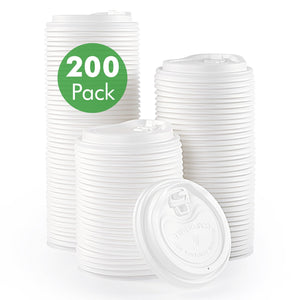
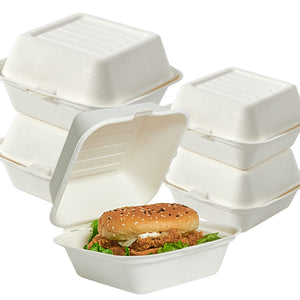
Link the napkin order to the rest of the station without confusing formats. Cup-and-lid bundles and takeout boxes have their own counts and lead times; a napkin carton does not solve a cup shortage. Browse the paper napkin collection when a different size is required.
For environmental claims, follow local collection rules rather than assuming every used napkin belongs in a compost bin. The US EPA's foodservice ware guidance is a useful framework for evaluating material claims and disposal pathways. The existing 9.8 versus 13 inch size guide compares formats; this article is about order volume and replenishment.
Frequently Asked Questions
How many napkins should a cafe buy first?
Estimate daily napkins from the actual drink and food mix. A 1,000-count box is a useful trial quantity when demand is uncertain; a stable high-volume cafe can compare the 4,000-count carton.
How long does a 4,000-count carton last?
At an illustrative 120 napkins per operating day, about 33 operating days before reserve or waste. Divide 4,000 by your measured daily use for a better estimate.
Are both napkin sizes in stock?
The 9.8-inch unfolded size was available in 1,000 and 4,000 counts at this check; the 13-inch variants were not. Verify the live listing before ordering.
When should a cafe reorder napkins?
Use average daily consumption multiplied by delivery days plus buffer days. At 120 per day and eight days of coverage, the trigger is about 960 usable napkins.
Should every coffee order receive a napkin?
No universal rule applies. Measure what customers actually need and standardize packing by order type so service stays consistent without unnecessary extras.