If you're among the 70% of Americans looking for effective weight loss strategies, you're not alone. The Mediterranean diet presents a powerful and sustainable path to success. This isn't a restrictive fad diet but a shift toward healthy lifestyle changes. You're about to discover how the Mediterranean Diet supports weight loss naturally by focusing on delicious, nutrient-rich foods that keep you feeling full and satisfied, making the process feel almost effortless. Serving a balanced Mediterranean meal on elegant, eco-friendly palm leaf plates can even enhance the dining experience, connecting your healthy choices with nature. Adopting the Mediterranean diet for weight loss is a fulfilling journey toward a healthier, more vibrant you.
This is how the Mediterranean Diet supports weight loss naturally, making the goal of shedding excess weight both achievable and enjoyable.
Key Takeaways
The Mediterranean diet helps you lose weight by focusing on foods that fill you up, like vegetables and fruits, instead of counting calories.
This diet cuts out processed foods and added sugars, which often cause weight gain, and instead promotes whole, natural foods.
Eating foods rich in fiber and protein, like beans and fish, helps you feel full longer and stops cravings.
Healthy fats from olive oil and nuts also keep you satisfied, making it easier to stick to your diet.
The Mediterranean diet is easy to follow long-term because it is flexible and lets you enjoy delicious food without strict rules.
How the Mediterranean Diet Supports Weight Loss Naturally
The secret to the Mediterranean diet isn't about counting every calorie. Instead, it's about changing the quality of the calories you eat. You will discover how the mediterranean diet supports weight loss naturally by shifting your focus toward foods that fill you up and away from those that lead to weight gain. This approach makes achieving your weight loss goals feel intuitive and sustainable.
Focus on Low-Calorie, High-Volume Foods
The Mediterranean diet encourages you to fill your plate with plant-based foods. Think of vibrant salads, hearty bean soups, and roasted vegetables. These foods, including fresh vegetables and fruits, are high in water and fiber but low in calories. This is the core principle behind calorie density and satiety. You can eat larger, more satisfying portions without consuming excess calories.
Your body feels full based on the volume of food you eat, not just the calories.
Fiber is a key player. It takes longer to digest, which helps you feel full for a longer period. Studies show that increasing fiber intake can lead to weight loss because it helps you stick to your eating plan.
Water content adds bulk. Foods like cucumbers, tomatoes, and leafy greens are mostly water. They fill your stomach and contribute to feelings of fullness with very few calories.
Smart starches help. Wet starches like oatmeal, quinoa, and potatoes absorb water when you cook them. They expand in your stomach, making them a filling base for any meal.
This focus on high-volume foods is a cornerstone of how the mediterranean diet supports weight loss naturally. You are not starving yourself; you are simply choosing foods that give you the most satisfaction for the fewest calories.
Limit Processed Foods and Sugars
Another reason the Mediterranean diet is so effective for weight loss is its natural exclusion of ultra-processed foods and added sugars. These are items made with industrial ingredients you wouldn't find in a home kitchen, like high-fructose corn syrup, hydrogenated oils, and artificial flavoring agents.
A Note on Processed Foods and Weight Gain A study from the National Institutes of Health (NIH) found something remarkable. When people ate a diet of ultra-processed foods, they consumed about 500 more calories per day and gained two pounds in just two weeks. When they switched to a minimally processed diet, they lost about the same amount of weight. This shows a direct link between these foods and weight gain.
The Mediterranean diet steers you away from these products. The components of the mediterranean diet are whole, single-ingredient foods. This simple shift has a massive impact on your weight and overall health. Ultra-processed foods are not just empty calories; they can contain harmful substances.
Cancer Risk: Processed meats like hot dogs and bacon contain compounds that are classified as known carcinogens.
Hormone Disruption: Chemicals like BPA found in plastic packaging can leach into food and interfere with your body's hormones, potentially increasing your risk for obesity and diabetes.
Designed for Overeating: The specific mix of fat, sugar, and salt in these foods makes them highly palatable, so it's easy to eat them quickly and hard to stop.
By choosing the Mediterranean diet for weight loss, you automatically reduce your exposure to these risks. This is how the mediterranean diet supports weight loss naturally: it replaces harmful, calorie-dense products with nourishing, whole foods that promote a healthy weight. Long-term studies confirm this. One five-year study showed that people on a Mediterranean diet experienced modest weight loss and smaller increases in waist size compared to those on a low-fat diet, all without strict calorie counting. This proves the diet is a powerful tool for sustainable weight management and loss. The Mediterranean diet helps you achieve lasting weight loss by building healthy habits, not by imposing strict rules.
High Satiety to Prevent Cravings
One of the biggest challenges with any weight loss plan is fighting hunger and cravings. The Mediterranean diet tackles this problem head-on. It focuses on the principle of 'satiety per calorie.' This means you eat foods that make you feel fuller while consuming fewer calories overall. You can control your hunger and achieve your target weight without feeling deprived. This approach is a key reason how the mediterranean diet supports weight loss naturally. A smart Mediterranean meal plan helps you manage your appetite, making the entire process of weight loss more sustainable.
The Power of Fiber and Protein
The Mediterranean diet is rich in fiber and protein, a powerful combination for keeping you satisfied. When you build a Mediterranean meal plan, you naturally include foods that work together to slow down digestion and keep your energy levels steady.
Fiber Slows Digestion: Soluble fiber, found in foods like oats, beans, and apples, forms a gel-like substance in your digestive system. This gel slows the absorption of nutrients and helps prevent sharp spikes in your blood sugar after a meal.
Gut Health Boost: Your gut bacteria ferment these fibers and produce compounds called short-chain fatty acids (SCFAs). These SCFAs send signals to your brain that you are full, helping to regulate your appetite and improve how your body uses insulin.
Protein Reduces Appetite: A higher protein intake is directly linked to feeling less hungry and eating fewer calories throughout the day.
A well-designed Mediterranean meal plan can easily help you meet your goals. For effective weight loss, aiming for about 30 grams of fiber and 68-82 grams of protein daily is a great strategy. The Mediterranean diet makes this achievable. Foods like chickpeas and lentils are staples in a Mediterranean meal plan and are fantastic sources of both fiber and protein, helping you control your weight. This diet makes your weight loss journey feel less like a struggle and more like a nourishing plan for your body.
Did You Know? 🤔 Grain-based fibers, like those in whole-wheat bread and barley, are especially effective at improving your body's insulin sensitivity. This helps regulate blood sugar, which is crucial for preventing the energy crashes that lead to cravings. A balanced Mediterranean meal plan is the perfect way to incorporate these beneficial foods into your diet.
Healthy Fats for Lasting Fullness
Many people think that to achieve weight loss, they must avoid fat. The Mediterranean diet proves this wrong. Healthy fats are essential for feeling full and are a cornerstone of this eating plan. The right fats not only provide flavor but also play a crucial role in telling your body it has had enough to eat. Your weight loss plan should include these important nutrients.
The Mediterranean diet emphasizes monounsaturated fats (MUFAs) from sources like extra virgin olive oil and avocados, and polyunsaturated fats (PUFAs) from nuts, seeds, and fatty fish.
Olive Oil: Meals rich in MUFAs from olive oil can lower your levels of ghrelin, the "hunger hormone," more effectively right after you eat. This gives you a stronger sense of immediate fullness.
Nuts and Seeds: Almonds, walnuts, and chia seeds provide a mix of healthy fats, protein, and fiber. This trio works together to keep you satisfied for hours, preventing mindless snacking.
Fatty Fish: Salmon, sardines, and mackerel are packed with omega-3 fatty acids. These fats support brain health, reduce inflammation, and contribute to lasting fullness, making them a vital part of your Mediterranean meal plan.
By including these healthy fats in your diet, you create meals that are not only delicious but also incredibly satisfying. This makes it easier to stick to your plan and achieve your desired weight loss. The strategic use of fats is a key part of what makes the Mediterranean diet such an effective and enjoyable path to long-term weight management and loss. This diet is a sustainable plan for a healthier life.
A Sustainable Mediterranean Diet for Weight Loss
A diet only works if you can stick with it. The Mediterranean diet is a long-term plan for successful weight loss because it is enjoyable and flexible. You will find that this approach to eating helps you achieve your target weight without feeling deprived. This makes the Mediterranean diet a sustainable path to health.
Emphasis on Flavor and Enjoyment
The Mediterranean diet celebrates delicious food. Psychological studies show that enjoying your meals helps you stick to a healthy eating pattern long-term. This diet is not about bland, boring food; it is about rich, satisfying flavors. You can create amazing dishes that support your weight loss goals.
You can enhance flavor without adding calories.
Fresh Herbs: Tiny green powerhouses like basil, oregano, and mint add an aromatic punch to your meals. You should add them at the end of cooking to preserve their taste.
Citrus Fruits: Lemons and oranges add a refreshing twist. Their acidity balances other tastes and makes your food more exciting.
The social aspect of Mediterranean meals also helps. Sharing food with others encourages mindful eating and a deeper awareness of your food choices. This focus on pleasure is a key reason this diet leads to lasting weight loss and a healthier relationship with food.
Flexibility Over Strict Rules
Many diets fail because they have strict, unsustainable rules. The Mediterranean diet for weight loss is different. It offers flexibility, which is a strong predictor of long-term weight loss success. Research shows that people who use a flexible approach to their diet gain significantly less weight over time compared to those with rigid rules. This diet is a way of life, not a list of forbidden foods.
"I was so tired of the cycle – lose 10 pounds, gain back 15. I needed something sustainable... Learning to eat Mediterranean-style wasn't restrictive... I've lost 22 pounds and kept it off for 18 months while actually enjoying my food more than ever."
This flexibility helps you avoid an "all-or-nothing" mindset. The Mediterranean diet encourages an 80/20 approach. You focus on nourishing Mediterranean foods 80% of the time, leaving 20% for other treats. This balance prevents feelings of failure and makes the weight loss journey manageable. Your new eating habits support your health, weight, and overall well-being for years to come. This sustainable loss of weight is the ultimate goal.
Practical Tips for Your Mediterranean Diet
Putting the Mediterranean diet into practice is simpler than you think. You can start your weight loss journey with a few practical changes. This section gives you a clear plan to build your meals, manage portions, and avoid common mistakes. Following this diet will help you achieve your target weight.
Build Your Mediterranean Plate
Building a healthy Mediterranean plate is easy when you follow a simple guide. The Mediterranean diet pyramid provides a great visual plan for your meals. You can structure your daily and weekly eating habits for successful weight loss.
Build Your Base: Fill your plate with vegetables, fruits, whole grains, and beans.
Add Healthy Fats: Use olive oil as your main fat source.
Include Lean Protein: Eat fish and seafood at least twice a week.
Enjoy Dairy Moderately: Add yogurt and traditional cheese a few times per week.
Limit Red Meat and Sweets: Save these for special occasions.
For example, you could have a veggie and hummus sandwich for lunch or sheet-pan roasted salmon for dinner. This approach to the Mediterranean diet makes your weight loss plan both delicious and effective.
Master Portion Control with Ecolipak
Even healthy foods have calories. Mastering portion control is essential for any weight loss plan. Studies show that using portion-controlled plates can significantly reduce your calorie intake and lead to weight loss. People using these plates often see a meaningful reduction in their body weight and BMI.
A Simple Tool for Success Research shows that portion control plates are highly effective. One review found they helped people lose an average of 2.02 kg (about 4.5 pounds). Participants also reported that these tools made them more aware of correct portion sizes.
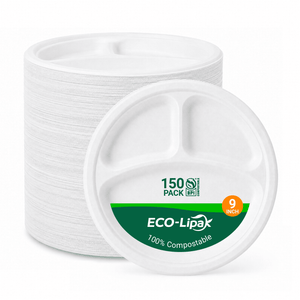
This is where Ecolipak’s Compostable Sugarcane 3 Compartment Plates can help. These plates provide a simple, visual guide to build a balanced Mediterranean meal. You can dedicate the large compartment to vegetables and the two smaller ones to protein and whole grains. This makes portion control for your diet effortless and supports your weight loss goals.
Watch for Calorie-Dense Pitfalls
The Mediterranean diet includes many healthy but calorie-dense foods. You must be mindful of portion sizes to ensure steady weight loss. Overlooking this detail is a common mistake that can slow your progress.
Healthy Fats: Olive oil and nuts are staples of the Mediterranean diet, but they are high in calories. One tablespoon of olive oil has about 120 calories. A small handful of nuts is a perfect serving.
Cheese and Wine: Enjoy these in moderation. A serving of cheese is about 1.5 ounces. A 4-ounce glass of red wine contains around 90 calories.
Being aware of these calorie counts helps you enjoy every part of this flexible diet without gaining weight. This mindful approach is key to a sustainable weight loss plan.
The Mediterranean diet offers a proven path to successful weight loss. You achieve your target weight by eating satisfying foods high in fiber and healthy fats. This enjoyable diet makes sustainable weight loss possible. Studies show this Mediterranean approach leads to greater weight loss than low-fat diets. Ready to start? Make one small change today. You can use an Ecolipak 3-compartment plate for dinner to master portions. This simple step begins your journey toward lasting health and weight loss.
FAQ
How quickly will I lose weight on the Mediterranean diet?
You can expect steady and sustainable weight loss. Most people lose 1-2 pounds per week. This approach focuses on building healthy habits for long-term success, not rapid, temporary results. Your individual results will vary based on your starting point and activity level.
Do I have to give up dessert?
No, you do not have to give up dessert completely. The diet encourages moderation. You can enjoy fresh fruit for a daily sweet treat. Save cakes, cookies, and other sugary sweets for special occasions. This balance makes the diet easier to follow.
What are the other health benefits of this diet?
This eating style offers many health benefits beyond weight loss. It supports a healthy heart and can reduce inflammation in your body. You may also notice improved brain function and better blood sugar control. The diet promotes overall well-being.
Can I follow the Mediterranean diet as a vegetarian?
Yes, the diet is very vegetarian-friendly. You can easily adapt it by focusing on plant-based proteins like beans, lentils, and tofu. You will still enjoy all the flavor and health benefits of this flexible eating plan.