Yes, Bauhaus of Disposables is shaping the future of tableware. You see this in the rise of compostable sugarcane plates that blend modern design with real sustainability. Today, most people want products that protect the planet and look good on the table.
According to Nielsen’s Global Sustainability Report, 74% of consumers choose brands that care for the environment.
Market Focus |
Details |
|---|---|
Demand Trend |
Demand for sustainable tableware is rising |
Consumer Shift |
People now prefer eco-friendly products |
Key Takeaways
Bauhaus of Disposables combines modern design with sustainability, making tableware that looks good and protects the planet.
Ecolipak's sugarcane plates are compostable, strong, and versatile, allowing you to serve a variety of foods without leaks or breakage.
Minimalist designs in tableware create a clean, modern look that enhances your dining experience and makes cleanup easier.
Choosing eco-friendly tableware helps reduce waste and supports a cleaner environment, making a positive impact with every meal.
The demand for sustainable products is growing, with more consumers preferring brands that prioritize environmental care.
Bauhaus of Disposables Explained
Bauhaus Principles in Tableware
When you look at the Bauhaus of Disposables, you see a design movement that values simplicity and purpose. The Bauhaus school believed that design should serve people’s needs. This idea fits perfectly with disposable tableware. You want plates and cups that work well and look good, without extra decoration or waste.
Simplicity stands at the core of Bauhaus. You notice this in tableware that uses basic shapes and smooth surfaces. These forms make each piece easy to use and easy to produce.
Functionality matters just as much. Every plate or cup should do its job well. You expect your tableware to hold food, resist leaks, and feel comfortable in your hand.
Mass production is another key idea. The Bauhaus of Disposables uses efficient manufacturing. This means you can get quality products at a fair price, and more people can enjoy sustainable options.
By following these principles, disposable tableware becomes more than just a single-use item. It becomes a thoughtful part of your daily life.
Minimalism & Functionality
Minimalism shapes the look and feel of modern tableware. When you choose minimalist designs, you get . These features give your table a modern, sophisticated look. Neutral colors, like white or soft beige, let your food stand out and create a calm dining space.
Clean lines make each plate or bowl easy to stack and store.
Simple shapes help you serve many types of food, from snacks to full meals.
Neutral colors match any event, from family dinners to parties.
Multifunctional pieces are also important. You can use the same plate for hot or cold foods. This flexibility means you need fewer items, which saves space and reduces waste. The Bauhaus of Disposables brings together style and practicality, making your dining experience both beautiful and efficient.
Ecolipak & Sugarcane Plates
Eco-Friendly Material
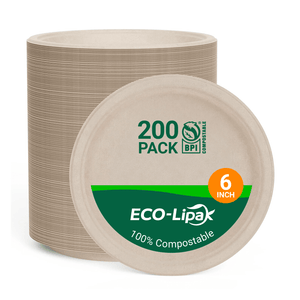
You want tableware that helps the planet. Ecolipak’s compostable sugarcane plates do just that. These plates use sugarcane pulp, also called bagasse, which comes from the fibers left after making sugar. Instead of throwing this material away, Ecolipak turns it into strong, useful plates. This process supports sustainability and reduces waste.
Here’s a quick look at the materials and their environmental benefits:
Material |
Environmental Benefits |
|---|---|
Sugarcane Pulp |
Quick breakdown in composting conditions, supports sustainability, handles hot/cold foods without harmful chemicals. |
Bagasse |
Upcycled from waste, compostable, reduces need for raw materials, sturdy and eco-friendly. |
When you choose these plates, you help lower carbon emissions. The production of sugarcane plates releases about 60% less CO₂ than making traditional paper plates. You also avoid harmful plastics and chemicals, making every meal safer for you and the environment.
Sturdy & Versatile Design
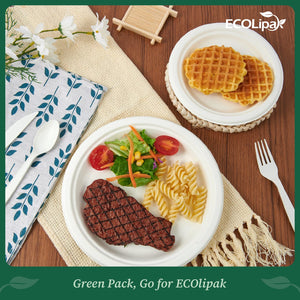
You need plates that work for every meal. Ecolipak’s sugarcane plates are strong and reliable. The weighted rib design adds extra strength, so the plates hold up well with hot, oily, or saucy foods. You can use them for everything from pizza to salads, and they will not bend or leak.
Let’s compare Ecolipak sugarcane plates to traditional disposable plates:
Feature |
Ecolipak Sugarcane Plates |
Traditional Disposable Plates |
|---|---|---|
Temperature Resistance |
Hot, oily, or saucy foods |
Limited |
Weight Capacity |
Sturdy, holds up well |
Often flimsy |
Biodegradability |
100% biodegradable |
Not biodegradable |
Microwave Safe |
Yes |
Varies |
Freezer Safe |
Yes |
Varies |
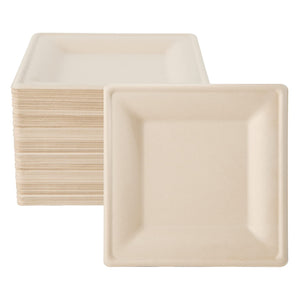
You will notice the minimalist white or natural color of these plates. This simple design fits any table setting and matches the Bauhaus of Disposables style. The clean look makes your food stand out and adds a modern touch to your meal. If you live in a city and eat alone, you will find these plates easy to use and store. They are lighter and less bulky than ceramic trays, making them perfect for small kitchens or busy lifestyles.
Ecolipak plates have passed strict tests for strength and safety. They are BPI Certified, compostable, and biodegradable. You can trust them to handle both hot and cold dishes without losing their shape.
The sugarcane pulp provides a fantastic balance of strength and sustainability.
The plates are suitable for serving greasy, saucy, or heavy foods without leaks.
They maintain their shape with both hot and cold dishes.
Compostable Benefits
You want to make a difference with your choices. Ecolipak sugarcane plates break down quickly in composting conditions. In an industrial or home compost, these plates decompose in 45 to 90 days. You do not have to worry about leaving waste behind.
Ecolipak’s plates meet top compostability standards. They are certified by trusted organizations:
Certification |
Certifying Body |
Standards Required |
|---|---|---|
Biodegradable Products Institute |
ASTM D6400 |
|
OK compost HOME & INDUSTRIAL |
TÜV AUSTRIA |
EN 13432 |
Compost Manufacturing Alliance |
CMA |
ASTM D6400 or D6868 |
These certifications mean you can compost the plates safely. They will not leave toxins or plastic bits in the soil. You help protect green spaces and reduce landfill waste every time you use them.
Tip: After your meal, place the used plate in your compost bin. You support a cleaner planet with every bite.
Ecolipak’s sugarcane plates show how the Bauhaus of Disposables can combine smart design, strength, and true sustainability. You get a product that looks good, works well, and cares for the earth.
Minimalist Aesthetic in Tableware
Clean Lines & Modern Appeal
You notice that minimalist tableware stands out with clean lines and simple shapes. This style creates a modern look that fits many homes and events. When you set your table with these plates, you see how they match any décor. Many people, especially millennials, choose minimalist designs because they want their tableware to look good in photos and on social media. The smooth surfaces and neutral colors help your food become the star of the meal.
Tip: Minimalist plates make your table look tidy and organized, even during busy gatherings.
Enhancing Dining Experience
You feel the difference when you use minimalist tableware. The simple design helps you focus on your meal and the people around you. You do not get distracted by busy patterns or bright colors. Instead, you enjoy the food and the moment. Minimalist plates are easy to stack and store, which makes cleanup faster. You can use them for family dinners, picnics, or parties. Their sturdy build means you do not worry about spills or leaks.
Here is how minimalist tableware improves your dining experience:
Easy to match with any theme or event
Simple to clean up after meals
Comfortable to hold and use
Why Minimalism Matters
You may wonder why minimalism is important in tableware. Minimalist designs often use eco-friendly materials, which help protect the planet. Many buyers see minimalism as a sign of quality and ethical value. They feel good about paying a little more for products that look great and support green living. Social media also plays a big role. People want plates that look stylish in photos. Minimalist tableware meets this need.
Aspect |
Description |
|---|---|
Aesthetic Preferences |
You prefer simple, attractive designs that fit your style. |
Sustainability Values |
You connect minimalism with eco-friendly choices and higher quality. |
Social Media Influence |
You want tableware that looks good in photos and online posts. |
Convenience |
You like products that are easy to use and throw away after outdoor meals. |
Premium Market Segment |
You see value in paying more for sturdy, attractive, and sustainable plates. |
The Bauhaus of Disposables shows you that less can be more. You get tableware that is beautiful, practical, and better for the environment.
Bauhaus of Disposables vs. Traditional Tableware
Design Comparison
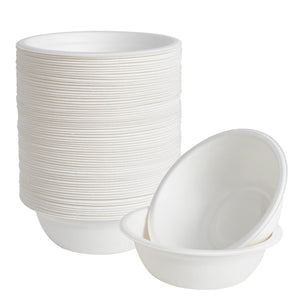
You see a clear difference when you compare Bauhaus of Disposables to traditional tableware. Bauhaus-inspired designs focus on simplicity and function. The plates and bowls use smooth shapes and clean lines. This creates a modern and unified look for your table. Traditional tableware often has fancy patterns and decorations. Each piece might look different from the next. You may notice flowers, gold rims, or bright colors on older plates. Bauhaus of Disposables gives you a calm and organized table. The style helps your food stand out instead of the plate.
Tip: If you want a table that looks neat and modern, choose simple designs over busy patterns.
Sustainability Impact
You make a big impact on the planet with your choice of tableware. Bauhaus of Disposables uses materials like sugarcane bagasse. These materials break down quickly in compost. You help reduce landfill waste every time you use them. Traditional tableware, especially plastic or foam, can stay in the environment for hundreds of years. Even ceramic or glass plates use a lot of energy and water to produce and clean. Compostable plates save resources and lower pollution. You support a cleaner planet with every meal.
Tableware Type |
Environmental Impact |
End of Life |
|---|---|---|
Compostable Sugarcane |
Low, composts in weeks |
Turns to soil |
Plastic/Styrofoam |
High, lasts for centuries |
Fills landfills |
Ceramic/Glass |
High energy to produce/clean |
Reusable, not compostable |
User Experience
You want tableware that feels good to use. Bauhaus of Disposables offers sturdy plates that do not leak or break easily. You can serve hot, oily, or cold foods without worry. The simple shapes make them easy to hold and stack. Cleanup is fast because you can compost them after use. Traditional tableware can be heavy or fragile. Washing dishes takes time and water. Disposable plastic plates may bend or spill food. With Bauhaus of Disposables, you get both style and convenience. You enjoy your meal and help the planet at the same time.
Note: Many people say they feel proud using eco-friendly plates at parties or family dinners.
Challenges & Adoption Barriers
Cost & Accessibility
You may notice that eco-friendly tableware often costs more than traditional plastic plates. This price difference can make you hesitate when shopping for disposables. Manufacturers use renewable materials like sugarcane bagasse, which require special processing. These steps add to the cost. You might see compostable plates priced higher in stores or online.
Plate Type |
Average Price (per 100) |
|---|---|
Compostable Sugarcane |
$21.00 |
Standard Plastic |
$10.00 |
You also face accessibility challenges. Some stores do not carry compostable options. You may need to order online or visit specialty shops. People living in rural areas or small towns might find it harder to buy eco-friendly plates. Bulk buying can help lower costs, but not everyone needs large quantities.
Tip: Look for local retailers or online platforms that offer eco-friendly tableware. Buying in bulk can save money and reduce trips to the store.
Consumer Perception
You play a key role in the adoption of Bauhaus-inspired disposables. Many people believe that compostable plates are less sturdy than plastic ones. You may worry about leaks or breakage during meals. Brands like Ecolipak work hard to change this view by offering plates that resist cuts and hold hot foods.
Some consumers think eco-friendly products are only for special occasions. You might use them at parties but return to plastic for everyday meals. Education helps shift this mindset. When you learn about certifications like BPI and see positive reviews, you gain confidence in sustainable choices.
You value products that combine style, strength, and sustainability.
You trust brands that show clear eco-labels and certifications.
You share your experiences with friends and family, helping others make greener choices.
Note: Your feedback and support drive innovation. When you choose compostable plates, you encourage brands to improve quality and expand access.
Future Outlook for Bauhaus of Disposables
Market Trends
You see the world changing fast. More people want products that help the planet. The market for compostable tableware keeps growing every year. Experts predict that the global compostable tableware market will grow at an annual rate of 5.9% from 2026 to 2033. This growth shows that you and others care about what you use at the table.
Companies invest more in eco-friendly solutions.
Governments create new rules to limit plastic waste.
Businesses look for ways to meet your demand for green products.
You notice more stores and restaurants switching to compostable plates and cups. This shift means you will find more choices that match your values.
Consumer Preferences
Your choices shape the future. Recent surveys show that around 70% of consumers prefer businesses that use eco-friendly disposable products. You want tableware that looks good and protects the environment. You also want products that feel sturdy and safe for your family.
Aspect |
Compostable Tableware |
Conventional Tableware |
|---|---|---|
Environmental Impact |
Positive |
Negative |
Cost |
Increasingly competitive |
Low |
Consumer Preference Trend |
Rising |
Declining |
You see a clear trend. More people choose compostable options because they care about the earth. Traditional plastic tableware loses favor, even if it costs less. You and many others now look for products that match your values and help reduce waste.
Growing environmental awareness drives you toward compostable choices.
Many people now see eco-friendly products as a sign of quality.
You want to support brands that care about the planet.
Tip: When you choose compostable tableware, you help create a cleaner world for everyone.
Industry Innovation
You benefit from new ideas in the tableware industry. Manufacturers work hard to make products better for you and the planet. They use new materials and smart technology to improve quality and sustainability.
Innovation Type |
Description |
|---|---|
Biodegradable Materials |
New techniques make plates waterproof, greaseproof, and strong. |
Government Regulations |
Bans on single-use plastics push companies to offer compostable options. |
Smart Packaging |
QR codes give you recycling tips and product details. |
Edible Tableware |
Some plates and cutlery are made from wheat, rice, or corn for zero waste. |
Localized Production |
Companies make products closer to you, cutting down on shipping pollution. |
You see more products that are easy to compost and safe to use. Some companies even make plates you can eat! Smart packaging helps you recycle the right way. Local production means less pollution from shipping. These changes make it easier for you to choose green options every day.
The Bauhaus of Disposables leads this movement. You get tableware that is simple, modern, and good for the earth. As more people join this trend, you help shape a future where sustainability and design go hand in hand.
You see Bauhaus-inspired disposables like Ecolipak’s Compostable Sugarcane Plates leading the way in sustainable tableware. These plates combine smart design, eco-friendly materials, and practical use. Your choices matter. Studies show that packaging with environmental messaging increases brand loyalty and purchase intention. You help shape the market by choosing sustainable products.
Evidence Type |
Description |
|---|---|
Consumer Behavior |
Environmental messaging influences your willingness to adopt reusable tableware. |
Market Impact |
Eco-focused packaging boosts brand loyalty and purchase intention. |
Environmental Concern |
Disposable cutlery harms the environment, so you need sustainable alternatives. |
You make a difference every time you choose eco-friendly tableware.
FAQ
What makes Ecolipak sugarcane plates eco-friendly?
You use plates made from sugarcane fiber, a renewable resource. These plates break down in compost. They do not leave harmful chemicals. You help protect the planet with every meal.
Can you use Ecolipak plates for hot or oily foods?
Yes, you can. These plates handle hot, oily, or saucy foods without leaking or breaking. You can even use them in the microwave or freezer.
Are Ecolipak sugarcane plates safe for your health?
You eat from plates that are BPA-free and toxin-free. They do not contain harmful plastics. You keep your meals safe and healthy.
How do you dispose of Ecolipak compostable plates?
You place used plates in your compost bin. They break down in 45 to 90 days. You do not add waste to landfills.
Where can you buy Ecolipak compostable sugarcane plates?
You can order directly from Ecolipak’s website. You find different sizes and bulk options for home or events.