No, 100% compostable doesn’t always mean 100% eco-friendly. Many people are confused about composting and compostable products, especially when it comes to understanding Why 100% Compostable Isn't Always 100% Eco-Friendly: The Secret Role of Industrial Composting Facilities. You might see packaging labeled as compostable and assume it’s automatically good for the planet, but the reality is that how waste is processed makes a big difference. Studies reveal that:
About one-third of consumers mistakenly place compostable packaging in recycling bins.
Up to half put packaging labeled as ‘made from plants’ into composting bins, even if it’s not suitable.
A trusted certification logo increases recognition of compostable packaging by 22%.
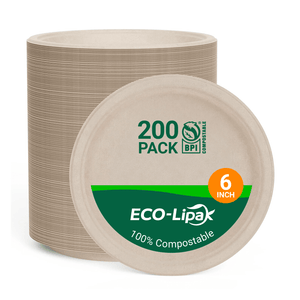
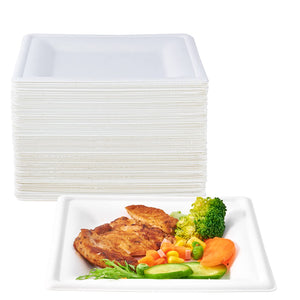
Ecolipak is committed to responsible choices and sustainable solutions. With our compostable sugarcane plates, you can protect your meals and the planet. By understanding Why 100% Compostable Isn't Always 100% Eco-Friendly: The Secret Role of Industrial Composting Facilities, you’ll be empowered to make smarter, greener decisions for the future.
Key Takeaways
Compostable does not always mean eco-friendly. Proper disposal in industrial composting facilities is essential for effective breakdown.
Look for certified compostable labels. These ensure products meet standards for safe decomposition and environmental safety.
Understand the difference between compostable and biodegradable. Compostable items require specific conditions to break down, while biodegradable products may leave harmful residues.
Support local composting programs. Your choices can encourage cities to invest in better waste management systems and reduce landfill waste.
Reuse whenever possible. Reusable items have a greater positive impact on the environment compared to single-use compostable products.
Compostable vs. Biodegradable
Compostable Meaning
You see compostable items everywhere, from plates to packaging. Compostable products are designed to break down in commercial composting facilities. These facilities turn compostable packaging into nutrient-rich soil within a set timeframe. International standards like ASTM D6400, EN 13432, and ISO 17088 require compostable items to decompose into carbon dioxide, water, and biomass. They must disintegrate into pieces smaller than 2 mm after twelve weeks. Compostable products cannot contain high levels of heavy metals, and the resulting compost must support healthy plant growth. In optimal conditions, certified compostable items break down in a few weeks. Under typical conditions, they decompose within 180 days.
Compostable packaging helps reduce dependence on petroleum-based materials. When you choose compostable items, you support cleaner production and encourage cities to upgrade their waste systems.
Standard |
Region |
Key Requirements |
|---|---|---|
ASTM D6400 |
United States |
Biodegradation, ecotoxicity, heavy metal limits |
EN 13432 |
Europe |
Biodegradability, disintegration, eco-toxicity |
ISO 17088 |
International |
Similar to ASTM D6400 and EN 13432 |
Biodegradable Explained
Biodegradable products break down with the help of microorganisms. The process depends on temperature, humidity, oxygen, and microbial populations. Unlike compostable items, biodegradable materials do not have a set timeframe or environment for decomposition. Some biodegradable packaging may leave behind microplastics or chemical residues. These leftovers can harm soil and water. You need to know that biodegradable does not always mean safe for the environment.
Temperature, sunlight, mechanical impact, oxygen, humidity, and acidity affect how biodegradable items decompose.
In industrial composting, 72.3% of biodegradable products break down over 75 days.
In soil, only 39.7% break down over 159 days.
Recyclable Differences
Recyclable packaging follows a different path. You place recyclable items in recycling bins, and facilities process them into new products. In the United States, the recycling rate reached 32.1% in 2018, with 69 million tons recycled. Composting rates for compostable products were much lower, at only 4.1%. Recyclable items must be clean and sorted correctly to avoid contamination. You help the environment by recycling, but you must follow local rules.
Recyclable products often have higher recovery rates than compostable items.
Compostable packaging needs special facilities, while recyclable items use existing systems.
You can support environmental protection by choosing recyclable or compostable items and using them responsibly.
Tip: Look for certified compostable packaging and recyclable labels. This helps you make informed choices and supports a cleaner planet.
Why 100% Compostable Isn't Always 100% Eco-Friendly
Real-World Composting Challenges
You might think that compostable products solve the problem of single-use plastics. Many people believe that compostable packaging ends plastic pollution, but it only addresses the end-of-life stage. You may also think you can throw compostable items anywhere, but they need special conditions to break down. People often confuse compostable with biodegradable, not realizing that biodegradable items can take much longer to decompose and may not break down in nature.
Here are some common misconceptions:
Compostable packaging completely solves the plastic problem.
You can dispose of compostable products anywhere.
Compostable and biodegradable mean the same thing.
In reality, compostable products need the right environment to break down. Most compostable items, including Ecolipak’s Compostable Sugarcane Plates, require industrial composting. These facilities use high temperatures and controlled conditions to turn organic waste into healthy soil. Only about 3% of people in North America have access to industrial composting. This means most compostable products do not reach the right facility.
When you use compostable tableware, you help reduce dependence on petroleum. Sugarcane plates use renewable resources, which lowers your carbon footprint. Their adoption encourages cities to upgrade their environmental infrastructure. As more people choose compostable products, cities invest in better composting systems. This helps manage organic waste and supports food waste composting.
Landfill and Home Compost Issues
If you throw compostable products in the trash, they often end up in landfills. Landfills do not have the right conditions for composting. Without enough oxygen and heat, compostable items break down slowly or not at all. Studies show that many compostable bags did not fully decompose after three years in nature. Research also found that 60% of plastics certified as home compostable did not fully break down. This can lead to microplastic contamination and other environmental problems.
Home composting can handle some organic waste, but not all compostable products work in home systems. Home composting piles do not get hot enough for many certified compostable materials. Industrial composting facilities reach temperatures between 131–160°F. These high temperatures help break down compostable products and kill harmful germs. Home composting rarely gets this hot, so many items stay in the pile for a long time.
If you want to compost at home, look for products labeled as home compostable. Even then, check if your compost pile can handle them. Most compostable plastics and tableware need industrial composting to break down fully.
Environmental Impact of Production
You should also think about the environmental impact of making compostable products. Ecolipak’s Compostable Sugarcane Plates use sugarcane, a renewable resource. This reduces the need for petroleum and helps protect the environment. Compared to traditional plastics, sugarcane plates create less greenhouse gas. They support sustainable practices and lower your carbon footprint.
Here is a comparison of the carbon footprint for different materials:
Material Type |
Carbon Footprint (kg CO₂-eq per 1,000 pieces) |
Relative Reduction Compared to Plastic |
|---|---|---|
Traditional Plastic |
~12.0 |
Baseline |
PLA-based Bioplastic |
~11.9 |
Similar to plastic |
Wooden Cutlery |
~3.2 |
70-75% lower |
Compostable dinnerware made from plant fibers, like sugarcane, has a much lower carbon footprint than plastic. When you choose Ecolipak’s plates, you support a cleaner environment and help reduce single-use plastics.
Ecolipak’s Compostable Sugarcane Plates offer these environmental benefits:
Environmental Benefit |
Description |
|---|---|
Compostable & Biodegradable |
Products break down naturally, ensuring responsible disposal after use. |
Renewable Resources |
Made from materials like sugarcane fibers that grow back quickly, reducing environmental impact. |
Non-Toxic & Safe |
Free from harmful chemicals, providing a healthier alternative to traditional disposables. |
Commitment to Sustainability |
100% compostable and BPI certified, minimizing waste and reliance on single-use plastics. |
Eco-Conscious Packaging |
Packaging is also eco-friendly, promoting a sustainable future. |
You play a key role in supporting why 100% compostable isn't always 100% eco-friendly: the secret role of industrial composting facilities. By choosing compostable products and learning about composting, you help drive change. You encourage cities to build more industrial composting facilities. This helps manage organic waste, reduce landfill waste, and protect the environment. Remember, compostable products work best when you use them with the right composting system.
Tip: Always check if your community has access to industrial composting before choosing compostable tableware. This ensures your organic waste turns into valuable compost and does not add to landfill problems.
The Secret Role of Industrial Composting Facilities
How Industrial Composting Works
You might wonder how industrial composting turns commercially compostable products into valuable soil. When you send your compostable waste to industrial composting facilities, the process starts with sorting. Workers remove non-compostable items to keep the pile clean. The facility then shreds or mixes the waste to create an even blend. This mixture enters a managed system that controls airflow, moisture, and warmth. The temperature rises to between 131–160°F. This heat helps microorganisms break down the compostable materials and kills harmful germs. After the active phase, the compost cures and matures. The facility screens the finished compost to remove any leftover contaminants. Industrial composting uses methods like windrow composting, where waste is piled in long rows and turned for oxygen, or in-vessel composting, which takes place in enclosed spaces for better control. These steps make sure that commercially compostable products, like Ecolipak’s sugarcane plates, break down quickly and safely.
Commercially Compostable Products
You see many products labeled as commercially compostable. These items need the special conditions found in industrial composting. Home composting piles do not get hot enough or stay moist enough for these products to break down. Only industrial composting can handle the job. When you use Ecolipak’s compostable sugarcane plates, you support a system that reduces petroleum use and encourages cities to improve their composting facilities. However, only about 3% of the country has access to industrial composting. Most commercially compostable products end up in landfills, where they do not break down as intended. The best way to help is to use certified compostable products and make sure they reach the right composting facilities.
Facility Access and Contamination
You face two big challenges with industrial composting: access and contamination. Many regions lack enough composting facilities, so most commercially compostable items do not get processed. Contamination is another problem. Non-compostable materials like plastics, glass, and metals often mix with compostable waste. These contaminants are hard to remove and can lower the quality of the finished compost. Plastics can even break down into microplastics, which harm soil and water. Here are some common barriers:
Barrier Type |
Description |
|---|---|
Regulatory Hurdles |
Complex rules can slow down the building of new composting facilities. |
Economic Viability |
High costs and competition with cheap fertilizers make composting less attractive for some cities. |
Infrastructure Issues |
Many places do not have enough composting facilities, so waste goes to landfills instead. |
Standardization Issues |
Different composting processes make it hard to dispose of all products the same way. |
You can help by choosing certified commercially compostable products and supporting better waste systems. As more people use products like Ecolipak’s plates, cities will invest in more composting facilities. This change will make composting easier and more effective for everyone.
Ecolipak Solutions for Sustainable Composting
Compostable Sugarcane Plates Benefits
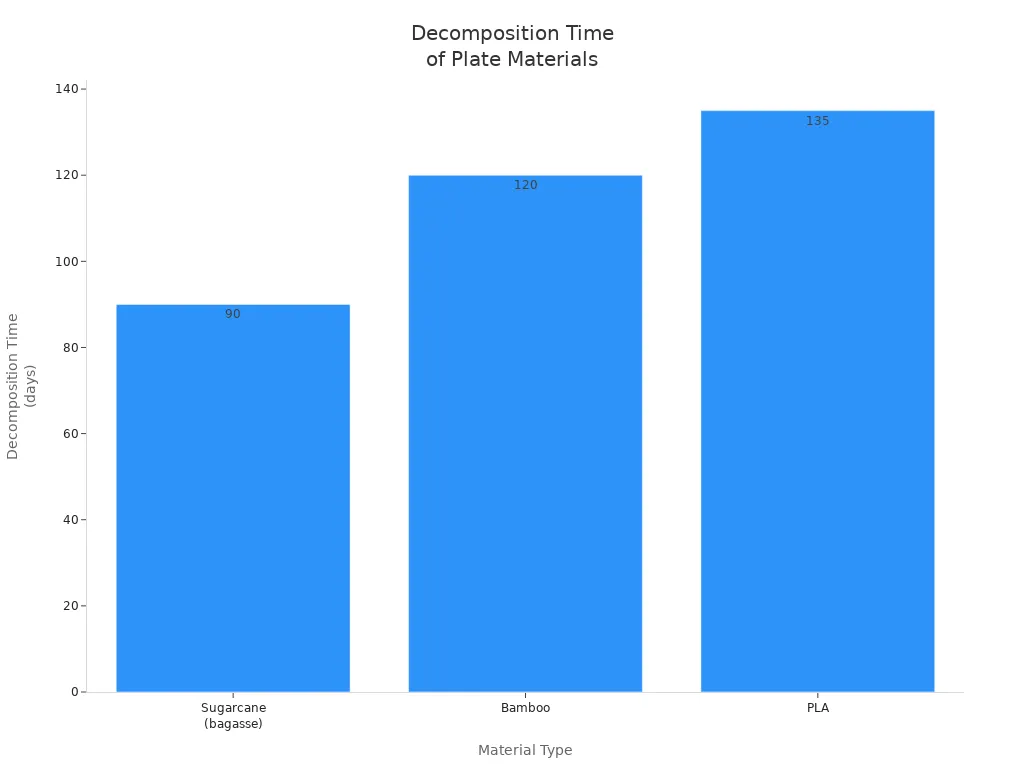
You want single-use tableware that supports a cleaner planet. Ecolipak’s compostable sugarcane plates offer a sustainable solution for your meals and events. These plates use sugarcane bagasse, a renewable material that breaks down in about 90 days during composting. They do not leave harmful residues and turn into nutrient-rich compost. You can trust their safety and eco-friendliness because they hold top certifications:
Certification |
Description |
|---|---|
BPI Certified |
Meets strict standards for compostability in industrial facilities. |
EN13432 |
Guarantees plates break down and leave no toxins. |
OK Compost/Seedling |
Indicates suitability for industrial or home composting. |
AS 4736 |
Confirms industrial compostability. |
ISO 17088 |
Offers global guidance for compostable plastics. |
Ecolipak’s plates are also sturdy and reliable. You can use them for hot, cold, or saucy foods without worrying about leaks. Their design helps you avoid petroleum-based packaging and supports the shift toward sustainable single-use products.
Customer Stories and Success
You may wonder how these plates perform in real life. Customers share that Ecolipak’s compostable cups and plates hold up well, even with heavy or messy foods like BBQ and pasta. Many users say these single-use items outperform traditional plastic plates. They appreciate that the plates break down into soil in about 90 days, making composting easy and eco-friendly. People who host events or run food businesses find that switching to compostable food serviceware helps them meet their sustainability goals. You can feel confident knowing that your choice supports both the environment and your dining needs.
“I used Ecolipak’s compostable cups and plates for a family picnic. They were strong, looked great, and I loved knowing they would not add to landfill waste.”
Proper Composting and Disposal Tips
You can maximize the eco-friendly impact of your single-use packaging by following a few simple steps:
Choose a spot in your yard with good drainage for your compost pile.
Use a compost bin made from sturdy materials.
Start with coarse items at the base to help airflow.
Layer green waste (like food scraps) with brown waste (like leaves).
Keep the pile moist and turn it often to speed up composting.
You should also learn what your local composting program accepts. Place bins near your kitchen for easy collection. Remind your family to separate organic waste from other trash. Make composting a daily habit. When you use compostable cups and plates, you help reduce single-use plastic waste and support a sustainable future.
Tip: The future of environmental protection depends on developing household-grade compostable materials and closed-loop recycling systems. Your choices today help drive these changes.
Reuse vs. Composting: Making the Right Choice
Environmental Comparison
You might wonder if reusing or composting is better for the environment. Life cycle assessments show that reusing products has a stronger positive impact than using single-use compostable items. When you reuse, you help reduce emissions and keep waste out of landfills. The table below compares the environmental benefits of reuse and composting:
Evidence Type |
Description |
|---|---|
Emission Reduction |
Reusable packaging can reduce emissions from single-use plastics by as much as 69%. |
Ocean Plastic Prevention |
Reusing just 10% of plastic products could prevent 50% of ocean plastic pollution. |
Environmental Performance |
Reusable food serviceware outperforms single-use alternatives, including compostables, on every environmental measure. |
You can see that reuse supports a circular economy and helps solve plastic waste management challenges. Composting still plays a key role, but reuse gives you the biggest environmental win.
When to Choose Compostable
You may not always have the option to reuse. Events, takeout, and public gatherings often require single-use items. In these cases, compostable products like Ecolipak’s sugarcane plates offer a responsible choice. Composting turns these items into valuable soil, keeping them out of landfills and supporting a circular system. You help the economy by choosing compostable products made from renewable resources. Composting also reduces plastic waste management problems and supports a cleaner environment.
Tip: Use reusable items whenever possible. Choose compostable products when reuse is not practical, and always dispose of them in the correct composting facility.
Supporting Better Waste Systems
You play a big part in building a better waste system. Many cities now support composting through new policies and programs. The table below shows some of the most effective efforts:
Policy/Program |
Description |
|---|---|
SWIFR |
Creates grants for states and cities to improve recycling and composting. |
COMPOST Act |
Provides funding for composting projects and research. |
EPR Programs |
Adds fees to single-use products to fund better waste management and encourage smart design. |
California SB 1383 |
Requires organic waste collection and aims to cut landfill waste by half. |
You can support these changes by learning about composting and recycling in your area. The real solution for sustainable waste management is to push for household-grade compostable materials and closed-loop recycling. This approach makes environmental protection real and lasting, not just a marketing idea. By making smart choices, you help create a circular economy and protect the planet for the future.
You now know that compostable does not always mean eco-friendly without the right composting system. Certified products like Ecolipak’s Compostable Sugarcane Plates help reduce petroleum use and support cleaner waste streams. Research shows that strong labeling, education, and better facilities make composting more effective:
Key Points |
Description |
|---|---|
Community Education |
Keeps organic waste streams clean |
Strong Regulation |
Prevents confusion with non-compostables |
You can support change by using products responsibly and urging leaders to improve composting programs. Choose wisely—your actions help build a greener future.
FAQ
What happens if you throw compostable plates in the trash?
You send compostable plates to the landfill. They do not break down quickly. They may not turn into compost. You lose the environmental benefits.
Why do compostable products need industrial composting?
Industrial composting uses high heat and controlled conditions. You get fast and complete breakdown. Home compost piles do not reach these temperatures.
Are Ecolipak sugarcane plates safe for food?
You use plates made from 100% sugarcane fiber. They are BPI certified and BPA-free. You keep your meals free from harmful plastics and toxins.
Can you compost Ecolipak plates at home?
You can try home composting. Most plates break down faster in industrial facilities. Check if your compost pile gets hot enough for best results.
How can you help make composting more effective?
You support research for household-grade compostable materials. You push for closed-loop recycling systems. You help turn environmental protection into real results.