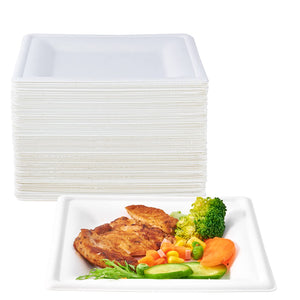
You are not alone in wanting to improve your eating habits. For 2026, 22% of Americans plan to eat healthier. This guide provides practical nutrition education. We explore exciting food and nutrition trends to make your journey enjoyable. Forget restriction; the focus is on adding delicious, nutrient-dense foods. Good nutrition is the goal. This simple nutrition education helps you understand food and health trends. Your approach to nutrition can also support the planet, from the food you choose to the palm leaf plates you use. Let's explore the top 2026 trends for nutritious eating and better nutrition. These healthy eating trends are a great start for your nutrition education.
Key Takeaways
Eat more fiber to help your gut and control blood sugar. Add fruits, vegetables, whole grains, and beans to your meals.
Protein helps you feel full and builds strong muscles. Try new protein sources like cottage cheese or plant-based options.
Make healthy food exciting with global flavors. Use spices and citrus to add taste without extra sugar or salt.
Plan your meals ahead to eat healthy even when busy. Use eco-friendly containers for meal prepping.
Listen to your body's hunger signals and choose nutrient-rich foods. This helps your body work its best.
Fiber-Forward: A Top Healthy Eating Trend
Get ready to embrace fiber in a big way. Experts predict fiber will be one of the biggest healthy eating trends in 2026. You will see more high-fiber drinks and foods on store shelves. This focus on fiber is a cornerstone of modern nutrition. It offers a simple path to better health without complicated rules. This section provides nutrition education to help you understand this powerful nutrient.
The Gut and Metabolic Benefits of Fiber
Your gut loves fiber. Dietary fiber travels to your colon, where it feeds beneficial gut bacteria. This process creates compounds that reduce inflammation and support your overall health. This is a key part of gut-healthy diets. A high-fiber diet also improves metabolic health. It slows digestion, which helps control blood sugar levels. Fiber also helps you feel full longer. This can reduce cravings and support weight management. Good nutrition starts with a healthy gut.
Simple Ways to Boost Your Fiber Intake
Adding more fiber to your diet is easy. You can start your day with simple, high-fiber recipes. Try sprinkling chia or flax seeds into your yogurt, smoothies, or oatmeal. For a bigger boost, aim for the recommended daily intake.
Group |
Daily Fiber Intake (grams) |
|---|---|
Women under 50 |
25 to 28 |
Men under 50 |
31 to 34 |
Women 51 and older |
22 |
Men 51 and older |
28 |
This nutrition education helps you set clear goals. The rise of upcycled ingredients and functional fungi also offers new, sustainable ways to get more gut-healthy fiber.
High-Fiber Foods to Add to Your Cart
Building a high-fiber shopping list is a great next step in your nutrition education. Look for these items on your next grocery trip:
Fruits: Raspberries, avocados, and guavas are excellent sources.
Vegetables: Artichokes, broccoli, and Brussels sprouts pack a fibrous punch.
Whole Grains: Move beyond oats. Try adding barley, quinoa, or bulgur wheat to your meals for variety and a serious fiber boost.
Legumes: All types of beans and legumes are fantastic, affordable sources of fiber and plant-based protein.
Focusing on these foods is a simple way to follow the 2026 trends and improve your nutrition.
Prioritizing Protein: A Key 2026 Health Trend
Protein is taking center stage in the world of nutrition. Consumers want healthier foods, and the demand for protein is stronger than ever. This is one of the biggest healthy eating trends you will see. Major brands from Starbucks to Walmart are adding more high-protein options to their menus and shelves. This shift makes it easier for you to prioritize this vital nutrient. This section offers nutrition education to help you understand and use this trend.
The Power of Protein for Satiety and Strength
Protein is a powerhouse for your body. It helps you feel full longer after meals. This concept is called the "protein leverage hypothesis." Your body aims to get enough protein, so when you eat more of it, you may naturally eat fewer total calories. Studies show that people on high-protein diets often feel less hungry and can manage their weight more easily. Protein also provides amino acids, which are the building blocks for your muscles. It helps repair and build muscle tissue, keeping you strong. This is a key part of your overall nutrition.
Trending Protein Sources to Try
Exploring new protein sources is a fun part of the 2026 trends. You can find exciting options everywhere.
Did You Know? Cottage cheese is making a huge comeback, with some brands valued at over $500 million. It's a simple, protein-packed food to add to your diet.
Look for these other trending sources:
Sustainable Animal Proteins: Eggs are an excellent choice. They are nutritious and have a low environmental impact.
Innovative Plant Proteins: You will see more products like sparkling protein drinks and foods made from lentils, chickpeas, and edamame. These beans and legumes are great for your health and the planet. This is one of the most accessible health trends for improving your nutrition.
Easy Protein-Packed Meal and Snack Ideas
You do not need complex recipes to boost your protein intake. Good nutrition can be simple and delicious. Try these easy ideas to get started with your nutrition education journey:
Meal/Snack Idea |
Protein Power |
|---|---|
Greek Yogurt Bowl |
A single serving can have over 15 grams of protein. |
Cottage Cheese & Fruit |
One cup provides about 25 grams of protein. |
Turkey & Cheese Roll-ups |
A quick, easy snack with a solid protein boost. |
Spiced Edamame |
One cup offers around 15 grams of plant-based protein. |
Making small changes like these can have a big impact on your daily nutrition and help you feel your best.
Global Flavors: The Tastiest Nutrition Trend
Healthy food should be exciting, not boring. One of the best healthy eating trends for 2026 is the focus on bold, global flavors. This approach transforms simple meals into delicious experiences. You can improve your nutrition by making food you genuinely love to eat. This section of your nutrition education will show you how to use flavor to your advantage.
Making Healthy Food Delicious
You can make any meal more interesting with the right flavors. The trend of "Maximalist Flavors" encourages combining bold tastes like sweet, spicy, and sour. This makes healthy eating a fun discovery. You do not need sugary sauces or excess salt for great taste. Instead, you can use time-tested ingredients like herbs and spices. This is a simple way to boost your nutrition and enjoy your food more. Exploring global flavors is a key part of modern nutrition education.
Exploring 'Swicy' and Botanical Flavors
Two major nutrition trends are taking over kitchens: 'swicy' and botanical flavors.
'Swicy' (Sweet & Spicy): This combination is everywhere. You can try drizzling hot honey on roasted vegetables or sprinkling a chili-lime seasoning like Tajin on mango. These simple additions create complex flavors for exciting recipes.
Botanical Flavors: Unique citrus fruits are gaining popularity. Look for yuzu or calamansi to add a bright, aromatic twist to your meals. They offer a more adventurous taste than regular lemon and are perfect for dressings and marinades.
Easy Ways to Use Spices and Citrus
You can easily bring these 2026 trends into your own kitchen. Spices and citrus are powerful tools for better nutrition. Toasting spices like cumin or turmeric in a dry pan for 30 seconds brings out their flavor before you add them to food. A sprinkle of cinnamon can add sweetness to your morning oatmeal without any sugar. Using citrus is another fantastic way to brighten dishes.
“We love using citrus zest on top of our stir-fries and blended into smoothies the most. It’s an easy way to add a pop of brightness and gives whatever it’s paired with a dash of fresh, sunny flavor.” — Shelby Stover, Fit as a Mama Bear
This simple nutrition education helps you make every meal a flavorful step toward better health.
Smart Convenience for Healthy Eating
Your busy schedule should not derail your health goals. One of the most practical healthy eating trends is embracing smart convenience. This means finding ways to make nutritious choices easy, even on your most hectic days. You can feel prepared and stay on track with your nutrition goals. This approach helps you master the art of being healthy in a hurry.
Healthy Eating on Your Busiest Days
Meal prepping is a powerful strategy for quick healthy meals. You can reframe this task as an act of self-care, not a chore. By dedicating a little time to planning, you set yourself up for a week of success. This simple nutrition education can transform your routine.
Pro Tip: Try "buffet prep." Cook a few versatile proteins, grains, and vegetables. You can then mix and match them into different recipes throughout the week to keep your meals interesting. This makes being healthy in a hurry much more enjoyable.
Meal Prepping with Ecolipak To-Go Boxes
Once you prepare your meals, you need a smart way to store them. The Ecolipak 8 inch Compostable Sugarcane 3 Compartment To Go Boxes are a perfect tool for this. Their three-compartment design helps you with portion control, a key part of good nutrition.
Convenient: The boxes are microwave-safe for easy reheating at work or home.
Reliable: Their sturdy, leakproof build means you can transport your lunch without worrying about spills.
Eco-Conscious: Made from sugarcane, these boxes are plastic-free and compostable. This shift away from plastic aligns perfectly with a holistic approach to nutrition, ensuring the materials touching your food are as clean as the ingredients inside. This is one of the 2026 trends that benefits both you and the planet.
Reading Labels on Convenience Foods
Sometimes, you need to grab a packaged meal. This is where your nutrition education becomes crucial. When you understand how to read a label, you can make the best choice available. Focus on these three things for better nutrition:
Scan the Ingredient List: Look for short lists with ingredients you recognize. If sugar (or words ending in "-ose") is one of the first few items, the product is likely high in added sugar.
Check the Sodium: A good rule of thumb is to choose foods where the milligrams of sodium are less than or equal to the number of calories per serving.
Look for Added Sugars: The Nutrition Facts panel now separates "Added Sugars." Aim for this number to be as low as possible to support your overall nutrition.
Metabolic Eating: A Shift in Diet Trends
One of the most significant diet trends is the shift toward metabolic eating. This approach moves away from restrictive rules. Instead, it focuses on nourishing your body to help it thrive. This philosophy is a core part of modern nutrition education. It teaches you to see food as medicine, a tool to support your body's natural energy and function.
Understanding Food as Medicine
The concept of food as medicine is central to the latest food and health trends. Unlike traditional diet trends that often restrict calories, metabolic eating works with your body. It aims to reduce stress by using nutrient-dense, easy-to-digest foods. This lifestyle views food as medicine to support your body, not a way to force change. The goal is to improve your diet quality and overall nutrition. Studies show that targeted nutrition can lead to significant health improvements.
This chart shows how powerful food as medicine can be, demonstrating measurable benefits for well-being. This is a key part of your nutrition education.
Listening to Your Body's Cues
Improving your eating habits involves learning to listen to your body. Your body sends signals for hunger and fullness. Recognizing these cues is a skill you can develop. A helpful tool is the Hunger and Fullness Scale, which runs from 1 (extremely hungry) to 10 (uncomfortably full).
Pro Tip: Before you eat, pause and rate your hunger. Aim to start eating when you feel a 3 or 4. Halfway through your meal, pause again to check in. Try to stop when you feel a 6 or 7, which is comfortably satisfied.
This mindful practice helps you build trust with your body. It is a sustainable way to manage your nutrition without feeling deprived. This is the essence of using food as medicine.
Building a Nutrient-Dense Plate
So, what does a metabolic plate look like? There is no single ideal ratio of carbs, protein, and fats. Your needs depend on your age, activity level, and health goals. The focus should be on diet quality and whole foods. A good approach to nutrition involves:
Prioritizing Protein: Include a source of protein at every meal.
Choosing Complex Carbs: Opt for fiber-rich sources like vegetables and whole grains.
Including Healthy Fats: Add sources like avocado, nuts, and olive oil.
This approach to building your plate supports your body's efficiency. It is a flexible and empowering part of the new nutrition trends. This nutrition education helps you understand that food as medicine is about balance, not perfection. Good dietary patterns are built one meal at a time.
Your journey to better nutrition starts with one small step. You do not need perfection. You need consistency. This nutrition education shows that simple changes create lasting results for your nutrition. Choose one action today to improve your nutrition.
Try a new protein source like cottage cheese.
Meal prep one lunch in an eco-friendly container.
Add a new spice to your dinner.
These choices build a positive relationship with food and support your long-term nutrition. Your personal nutrition choices also help the planet. Soon, plastic-free dining will be a key part of good nutrition. This nutrition education empowers you.
FAQ
How do I start improving my nutrition?
You can start with one small change. Try adding a high-fiber vegetable to your dinner. Or, you can meal prep one lunch for the week. This simple nutrition education helps you build momentum. Consistent small steps create the best long-term nutrition habits.
When should I seek professional nutrition help?
Consider professional help if you feel overwhelmed or have specific health goals. A registered dietitian can provide personalized nutrition counseling. This expert guidance is a valuable part of your nutrition education journey. They create a plan just for you.
How does my food choice impact the environment?
Your food choices matter for the planet. Choosing plant-based proteins and reducing food waste helps lower your carbon footprint. Using compostable containers instead of plastic also protects our environment. Your personal nutrition can support a healthier Earth.
A Note on Learning: Continuous nutrition education is key. Stay curious about your food. This knowledge empowers you to make better choices for your body and the world. Professional nutrition counseling can also accelerate your learning.