Worried about feeling tired when you start the keto diet? You are not alone. Many beginners quit the keto diet due to preventable fatigue. For beginners starting keto, this low carb diet can be a challenge.
Symptom |
Percentage of Users |
|---|---|
Fatigue |
17.8% |
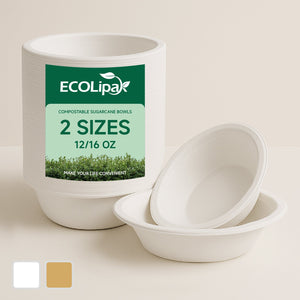
This guide offers simple keto tips to beat hunger and boost energy. A good plan helps you enter ketosis for your weight loss goals. This keto diet is a great diet for weight loss. The ketogenic diet helps with ketosis. This low carb diet is a great diet for weight loss. The keto diet helps with ketosis. The ketogenic diet is a great diet for weight loss. This low carb diet helps with ketosis. You can even enjoy soups in our Sugarcane Compostable Bowls. The keto diet is a great diet for weight loss. The ketogenic diet supports your plan for ketosis. This low carb diet is a great diet. This keto diet is a great diet for keto.
Key Takeaways
Balance your electrolytes. This helps prevent fatigue and headaches. It supports your body as it adjusts to the keto diet.
Stay hydrated. Drink plenty of water. This helps your body adapt to using fat for fuel. It also keeps your energy levels high.
Eat healthy fats. Make fat your main fuel source. This helps you feel full and satisfied. It also helps you avoid hunger.
Start the keto diet slowly. Reduce carbs over time. This helps your body adjust. It makes the transition smoother.
Prioritize good sleep. Quality rest helps control hunger. It also boosts your energy. This supports your keto journey.
Step 1: Prioritize Electrolytes to Beat Fatigue
Feeling tired on the keto diet? That fatigue is often just a sign of an electrolyte imbalance. It is not a required part of this low carb diet. When you cut carbs, your insulin levels drop. This makes your kidneys flush out water along with key minerals like sodium, potassium, and magnesium. This loss is a primary cause of "keto flu" symptoms. Fixing this imbalance is your first step toward a successful ketogenic diet and achieving your weight loss goals.
Replenish Sodium to Prevent Headaches
Headaches are a common complaint when starting a low carb diet. This often happens because your body is losing sodium. You need to replenish it to feel your best. Experts recommend you consume 2,000-4,000 mg of sodium daily on the keto diet. This helps your body adjust to ketosis.
Simple Sodium Tips:
Generously salt your meals.
Drink a cup of bone broth or bouillon each day.
Add olives or pickles to your snacks.
Boost Potassium for Muscle Function
Muscle cramps can derail your new diet. Potassium is crucial for preventing them. It helps your nerves and muscles communicate properly. A low carb diet can make it hard to get enough potassium, leading to cramps. You should aim for 3,500–5,000 mg of potassium daily. You can get this from many delicious keto-friendly foods. This is a key part of the diet for long-term weight loss.
Add Magnesium for Better Sleep
Good sleep gives you the energy to stick with your keto plan. Magnesium plays a big role in high-quality rest. Studies show that magnesium supplements can improve sleep for adults. For your ketogenic diet, a daily intake of 300-500 mg is a great starting point for better sleep and an easier transition into ketosis. You can find magnesium in nuts, seeds, and dark leafy greens, or you can take a supplement before bed. This simple step supports your keto journey and weight loss efforts.
Step 2: Stay Hydrated for Optimal Energy
Staying hydrated is a game-changer for your energy levels on the keto diet. Along with electrolytes, water is your best friend for a smooth transition into ketosis. This simple step in your new diet plan can make all the difference between feeling drained and feeling fantastic. Proper hydration is essential for your weight loss goals on this low carb diet.
Why Water Is Crucial on Keto
Have you ever wondered why you feel so thirsty on a low carb diet? When you start the ketogenic diet, your body changes how it handles water.
Lower Insulin Levels: Your insulin levels drop on the keto diet. This signals your kidneys to release extra sodium and water.
Electrolyte Loss: As your body flushes out water, it also loses key electrolytes. This process can quickly lead to dehydration.
Dehydration is a major cause of fatigue. It reduces your blood volume, making your heart work harder to pump blood. This can leave you feeling tired and sluggish. Staying hydrated is a non-negotiable part of a successful keto diet. It supports your body as it adapts to using fat for fuel during ketosis. This diet requires more water than others to support your weight loss journey.
Simple Tips to Increase Water Intake
Keeping up with your water needs on the keto diet doesn't have to be a chore. You can easily stay hydrated and support your weight loss goals. This low carb diet will feel much easier with good hydration. Here are some simple ways to boost your fluid intake for better energy and a smoother path to ketosis.
Pro Tip: Don't wait until you feel thirsty! Thirst is often the first sign that you are already dehydrated. Sip water consistently throughout the day to stay ahead.
Carry a Water Bottle: Keep a reusable water bottle with you at all times. It’s a great visual reminder to drink up.
Eat Your Water: Include water-rich, low carb foods in your diet. Cucumbers, zucchini, and leafy greens are excellent keto choices.
Listen to Your Body: Pay attention to signs of dehydration. Dark urine or low energy means you need more water. Adjust your intake based on your activity level and how you feel.
Following these tips will help you master this part of the ketogenic diet. You will maintain your energy and feel great as you achieve ketosis. This is a key part of any successful keto plan for weight loss. This diet is a great tool for weight loss when you manage hydration well.
Step 3: Master Healthy Fats on Your Keto Diet
Welcome to the most important shift in the keto diet: making fat your friend. Forget the old rules about low-fat foods. On a ketogenic diet, your primary goal is to eat high fat meals until you feel full and satisfied. This approach helps you avoid hunger and makes your weight loss journey sustainable. Your body needs this fuel to enter and maintain ketosis.
Choose the Right Fats for Fuel
Not all fats are created equal. The type of fat you eat can directly impact how full you feel. Studies show that different fatty acids affect your body’s hunger signals. Choosing the right healthy fats can help suppress hunger hormones, making your low carb diet much easier. This is a crucial part of your plan for successful weight loss.
For your keto diet, focus on these amazing foods to eat:
Monounsaturated Fats: Find these in avocados, olive oil, and nuts like almonds and macadamias.
Polyunsaturated Fats (Omega-3s): Fatty fish like salmon, plus chia seeds, flaxseeds, and walnuts are excellent sources.
Healthy Saturated Fats: Coconut oil, butter from grass-fed cows, and ghee are great for cooking.
Incorporate Fats into Every Meal
Adding fat to your meals is simple and delicious. A successful keto diet is built on satisfying, high fat dishes. This strategy keeps you energized and helps you reach your weight loss goals without feeling deprived. Your keto meal plan should be full of flavor.
Keto Pro-Tip: Drizzle olive oil on your salads. Add a slice of avocado to your plate. Cook your steak in butter. These small additions make a big difference in your journey to ketosis.
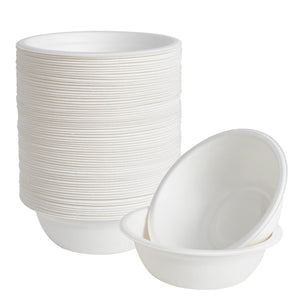
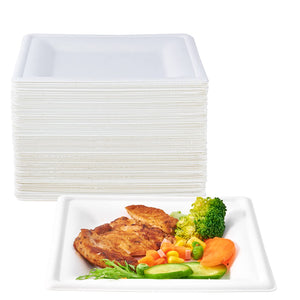
Imagine serving a beautiful garlic butter steak with asparagus on one of Ecolipak's sturdy and elegant Compostable Palm Leaf Plates. They make your high fat keto meal look fantastic and offer a simple, eco-friendly cleanup. For a hearty low carb chili or a creamy broccoli cheddar soup, use Ecolipak's durable sugarcane compostable bowls. They reinforce the convenience of sustainable dining as you embrace your new keto lifestyle. This diet plan makes enjoying delicious food and keto snacks easy.
Step 4: How to Start the Keto Diet Gradually
Jumping straight into a strict keto diet can feel like a shock to your system. A better approach is to ease into it. When you start the keto diet gradually, you give your body time to adapt. This simple strategy can significantly reduce keto flu symptoms and make your transition into keto much smoother. A gradual plan helps you build sustainable habits for long-term weight loss success with this low carb diet.
Taper Down Carbs Over a Week
Instead of cutting all carbs at once, try tapering them down over several days. This method helps your body adjust to using fat for fuel without the sudden shock. A slow reduction in carbs makes the ketogenic diet feel less restrictive and more manageable.
Your 7-Day Keto Kickstart Plan: Aim to reduce your daily carb intake by about 20-25 grams each day. If you normally eat 200 grams of carbs, try for 175 grams on day one, 150 on day two, and so on. This steady approach helps you reach the keto goal of under 50 grams of carbs with minimal side effects. This is a great diet plan for sustainable weight loss.
Cut Sugar and Processed Carbs First
The most important first step in your new low carb diet is to eliminate sugar and processed carbs. These foods offer little nutritional value and can make your keto diet journey harder. You might be surprised where these sneaky carbs hide. This is a key part of the ketogenic diet.
Here is a list of common foods to avoid as you begin your keto diet:
Sauces and Dressings: Ketchup, barbeque sauce, and many salad dressings are packed with hidden sugar.
"Sugar-Free" Foods: Many products labeled "sugar-free" use sugar alcohols that can still impact you.
Processed Meats: Some deli meats, sausages, and jerky contain added sugars or fillers.
Yogurts: Fruit-flavored and even vanilla yogurts often have a high sugar content.
Packaged Snacks: Crackers, chips, and sweetened dried fruits are full of processed carbs.
Removing these items first cleans up your diet quickly. This prepares your body for the next phase of the ketogenic diet, where you focus on healthy fat and low carb whole foods for your weight loss goals. This diet is effective when you know what to cut. This keto diet is a powerful tool for your health.
Step 5: Balance Protein on a Ketogenic Diet
Getting protein right is a secret weapon for a successful keto diet. While fat is your main fuel, protein is essential for keeping you full and protecting your muscles. Adequate protein intake helps you feel satisfied, which curbs cravings for carbs. This makes sticking to your low carb diet for weight loss much easier. Protein also has a minimal effect on insulin, helping you stay in fat-burning mode. A good keto plan ensures you get enough protein to prevent muscle loss and keep your energy levels high. This is a key part of any ketogenic diet.
Best Protein Sources for Keto
Choosing the right protein sources is simple on a low carb diet. You should prioritize quality and fat content. When you shop, look for fatty cuts of meat and fish instead of lean options. This approach supports your keto goals. Always check labels on packaged foods to avoid hidden sugars and carbs.
Top Keto Protein Choices: 🥩
Fatty fish like salmon, mackerel, and sardines
Grass-fed beef and lamb
Poultry with the skin on, like chicken thighs and wings
Eggs, which are a perfect keto food
Pork, ham, and bison
Including these foods in your diet will help you get the protein and healthy fat you need. This is a great strategy for your ketogenic diet.
Find Your Ideal Protein Intake
Finding your perfect protein amount helps you optimize your keto diet for weight loss. Too little protein can lead to muscle loss, but you don't need to worry too much about eating too much. Your ideal intake depends on your body and activity level.
Here’s a simple way to figure out your daily protein goal for this diet:
Find Your Lean Body Mass (LBM): If you weigh 150 lbs with 20% body fat, your LBM is 120 lbs.
Calculate Your Protein: Aim for 0.6 to 0.8 grams of protein per pound of your LBM. For a 120 lb LBM, that’s 72–96 grams of protein daily.
This amount is perfect for maintaining muscle while you lose fat. Don't stress if your protein intake seems high. As long as you keep your carbs very low, your keto diet will work. This flexible plan makes the ketogenic diet sustainable for long-term weight loss.
Step 6: Choose the Right Exercise
Exercise is a great partner for your keto diet, but your approach needs to change at the start. Your body is learning to use fat for fuel instead of carbs. This transition affects your energy for workouts. Choosing the right activity at the right time is key for your weight loss journey. This low carb diet requires a smart exercise plan.
Focus on Light Activity Initially
You should reduce your exercise intensity during the first few weeks of the keto diet. Your body's performance might dip temporarily. This is normal for this low carb diet. Scientific research often looks at endurance after adaptation, not the initial phase. So, the best advice is to listen to your body. Focus on light activities that support your new diet without causing extra stress.
Easy Exercises for Your First Keto Weeks: 🚶♀️
Gentle walking or cycling
Light aerobic exercises
Active recovery like yoga or stretching
These activities keep you moving and support your weight loss goals. They help your body adapt to the ketogenic diet smoothly. This gentle approach to your diet and exercise plan makes the keto transition much easier.
When to Reintroduce Intense Workouts
Are you wondering when you can return to your tough workouts? Your performance on the keto diet should return to normal after several weeks. The initial decrease in performance happens because your muscles have less stored glycogen, which is crucial for high-intensity exercise.
You will know you are ready when your energy and focus increase. Many long-term keto followers report feeling more energized than ever. This is a great sign that your body is fully adapted to this low carb diet. Once you feel that boost, you can slowly reintroduce more intense workouts. This careful strategy helps you continue your weight loss on the ketogenic diet. This diet supports an active lifestyle once you are adapted. Starting your keto journey with the right exercise plan is a smart move for this low carb diet.
Step 7: Prioritize Sleep for a Smooth Transition
Never underestimate the power of a good night's sleep on your keto diet. Quality rest is not a luxury; it's a vital part of your success. Getting enough sleep helps regulate your hormones, control your appetite, and boost your energy. This makes your transition into keto much smoother. A solid sleep routine is a cornerstone of this low carb diet and supports your long-term weight loss goals. This simple part of your diet plan can make a huge difference in how you feel.
Tips for High-Quality Rest
Improving your sleep is a straightforward way to feel better on the keto diet. You can build good habits that make high-quality rest almost automatic. This helps you manage your appetite and energy. Try these simple tips to optimize your sleep for this low carb diet.
Set a Consistent Schedule: Go to bed and wake up around the same time every day, even on weekends. This helps regulate your body's internal clock.
Create a Relaxing Routine: Spend 30 minutes before bed winding down. You can read a book, listen to soft music, or do light stretching. Dim the lights to help your body produce melatonin, the sleep hormone.
Optimize Your Bedroom: Keep your room cool, dark, and quiet. A comfortable mattress and pillow are also key for your new diet. This environment signals to your brain that it's time for rest.
How Sleep Impacts Hunger and Energy
Have you ever noticed you feel more hunger after a bad night's sleep? There's a reason for that. Poor sleep can disrupt the hormones that control your appetite, like ghrelin and leptin. This can make managing your appetite on a low carb diet much harder. A successful ketogenic diet depends on controlling your appetite.
Lack of sleep doesn't just make you tired; it can seriously impact your cognitive function and daytime energy. Studies show that sleep deprivation impairs attention and slows reaction times, making it harder to stay focused on your keto goals.
Prioritizing sleep helps keep your appetite in check and your energy levels stable. This is essential for a successful ketogenic diet. When you are well-rested, you have the mental and physical energy to stick with your keto plan. This supports your weight loss journey and makes this diet feel effortless. A good night's sleep is your secret weapon for managing your appetite on the keto diet.
You have the tools for a successful keto diet. This diet plan is your path to amazing weight loss. Remember these simple keto tips to feel great when you start the keto diet:
Step 1: Balance your electrolytes.
Step 2: Drink plenty of water.
Step 3: Eat enough healthy fat.
Step 4: Lower carbs gradually.
Step 5: Get the right amount of protein.
Step 6: Choose light exercise at first.
Step 7: Prioritize your sleep.
You can get your energy back, just like others on their keto journey. Start today by creating your first delicious, high-fat keto meal plan. This low carb ketogenic diet is a powerful plan for weight loss. Consider serving your keto meals on an eco-friendly Ecolipak plate to make your new healthy lifestyle sustainable in every way.
FAQ
How long does the "keto flu" last?
The "keto flu" usually lasts just a few days to a week. You can often prevent or reduce it by following the tips in this guide. Focus on getting enough electrolytes and water. Your body will adapt quickly, and you'll start feeling great!
Can I eat fruit on the keto diet? 🍓
Most fruits are too high in sugar for a keto diet. However, you can enjoy small portions of low-carb berries. Blackberries, raspberries, and strawberries are great choices. Always check the carb count to stay on track with your goals.
Do I have to count calories from day one?
You don't need to count calories right away. Your first goal is to adapt to using fat for fuel. Focus on eating healthy fats until you feel full. This helps you manage hunger and makes the transition much easier.
What if I still feel tired after following these steps?
If you still feel tired, double-check your electrolytes and water intake. These are the most common reasons for fatigue on keto.
Quick Check:
Are you adding enough salt to your food?
Did you drink enough water today?
A little adjustment often solves the problem!