Your microwave is a kitchen staple, just as it is in homes worldwide. The appliance's popularity has grown steadily over the years.
Microwave oven power levels control your microwave's heat. These power levels tell the microwave's magnetron when to turn on and off. At 100% power, the microwave delivers a continuous blast of power for fast cooking. Lower levels use intermittent bursts of power. This cycling ensures even cooking for everything from leftovers to meals on compostable plates. Understanding microwave power levels is key to using your microwave effectively.
Key Takeaways
-
Microwave power levels control how much heat your microwave uses. High power cooks food fast, medium power cooks food evenly, and low power is for defrosting or softening.
-
Your microwave's wattage shows its total power. Higher wattage means faster cooking. You may need to change cooking times based on your microwave's wattage.
-
Always use microwave-safe containers. Some plastics can melt or release bad chemicals into your food. Glass can break if it gets too hot too fast.
-
Sugarcane bagasse containers, like Ecolipak's, are a safe choice. They do not melt easily and do not put harmful chemicals into your food.
Understanding Microwave Oven Power Levels
You can think of microwave oven power levels as preset settings, often numbered 1 through 10. These numbers control the percentage of time your microwave is actively generating heat. The magnetron, the part that creates microwaves, turns on and off in cycles at lower power levels. This allows heat to spread through your food more gently and evenly. Understanding these levels is the key to mastering your microwave.
High Power (90-100%) for Rapid Heating
High power is the default setting on most microwave models. It delivers a constant stream of energy, making it perfect for tasks that require rapid heating. You should use this setting for boiling water, cooking foods with high water content, and reheating beverages.
Many quick recipes rely on the full cooking power of a microwave. For example, you can make delicious meals in minutes:
-
Microwave Mac and Cheese: Ready in under 15 minutes.
-
Microwave Apple Crisp: Cooks in just a few minutes until the apples are tender.
-
Taco Soup: Heats on high for a total of 6 minutes.
-
Chocolate Cake in a Mug: A sweet treat ready in about 15 minutes.
Tip: While high power is fast, you should watch your food closely. It can easily overcook or make a mess if you are not careful.
Medium Power (50-70%) for Even Cooking
Medium power levels are your best friend for achieving even cooking results. At these settings, the microwave cycles its power on and off. For instance, at 50% power, the magnetron is active for about 30 seconds out of every minute. This "off" time gives the heat a chance to penetrate denser foods without overcooking the edges.
This balanced approach is ideal for reheating leftovers like casseroles. Using a medium-high (70%) power level ensures the dish heats through evenly while staying moist. You can also use medium power for a variety of other foods.
|
Food Category |
Recommended Power |
Why It Works |
|---|---|---|
|
Grains (Rice, Pasta) |
30-60% |
Gentle steaming prevents boiling over and ensures fluffy results. |
|
Eggs (Custards, Frittatas) |
40-70% |
Slow cooking creates a soft, silky texture and avoids rubberiness. |
|
Dairy (Cheesecakes, Sauces) |
40-50% |
Gentle heat prevents scorching and keeps creamy foods smooth. |
Using the right microwave settings for these foods makes a huge difference in your final dish. The correct cooking power ensures your meal is cooked perfectly every time.
Low Power (10-40%) for Defrosting and Softening
Low power levels are essential for delicate tasks like defrosting and softening. These low levels use very short bursts of energy, which gently warms food without starting the cooking process. This is crucial for safe defrosting.
If your microwave does not have a specific defrost button, you can manually set the power to 20-30%. This low power is the standard for defrosting food. It thaws meat, poultry, and fish evenly, preventing the outside from cooking while the inside remains frozen. This is the best way to defrost your items.
You can also use these low microwave oven power levels for other tasks:
-
Softening butter or cream cheese
-
Gently melting chocolate
-
Keeping a dish warm before serving
-
Helping to defrost delicate items like bread or pastries
Mastering the low power levels of your microwave gives you precise control for tasks that require a gentle touch. It is a key part of understanding all microwave oven power levels.
The Role of Microwave Wattage
Understanding power levels is only half the story. The other crucial factor is your microwave wattage. Think of microwave wattage as the raw power your appliance has. A microwave with a higher wattage has more cooking power. This means it heats food much faster than a microwave with a lower wattage. Modern countertop microwave models typically have a wattage ranging from 600 to 1,700 watts. A microwave wattage of 1,000 watts is a common standard for many recipes.
How Wattage Impacts Cooking Times
Your microwave wattage directly affects your cooking time. A higher wattage microwave delivers more energy. For example, setting a 1200W microwave to 50% power delivers more heat than a lower wattage 800W microwave at the same setting. This difference in power means you must adjust your cooking time. If a recipe calls for a specific cooking duration, it is likely based on a standard 1000W microwave. You will need to shorten the cooking time for a higher wattage microwave and lengthen it for a lower wattage one.
Pro Tip: You can find conversion charts online to help you adjust cooking time between different microwave wattage levels. This ensures your food cooks perfectly every time.
Interestingly, while a higher wattage offers more power, the maximum microwave wattage does not significantly impact the price of a new microwave. The appliance's size or capacity is often a more important factor in its cost.
Finding Your Microwave's Wattage
Knowing your microwave wattage is essential for accurate cooking. So, how do you find this important number? Your microwave wattage is usually easy to locate. You can check a few common places to find the wattage information for your microwave.
-
Look for a sticker on the back of the microwave.
-
Check inside the microwave door frame for a serial plate.
-
Consult the product manual that came with your appliance.
-
Visit the manufacturer's website and search for your microwave model.
Once you know your microwave wattage, you can take full control of your cooking and get consistent results.
Container Safety in the Microwave
Choosing the right container is just as important as selecting the right power level. Using the wrong material in your microwave can lead to melted messes, damaged dishes, and serious health risks. High power levels generate intense heat, which puts significant stress on any container you use. This is especially true for plastics not designed for microwave use.
Heat Stress and Plastic Warping
You have probably seen a plastic container warp or melt in the microwave. This happens due to heat stress. While some plastics are labeled "microwave-safe," they still have limits. For example, polypropylene (Plastic #5) is a common material for reusable food containers. It can typically withstand temperatures up to 230°F. However, foods high in fat or sugar can get much hotter than that, causing the plastic to warp, crack, or melt.
You can spot heat damage by looking for:
-
A warped or misshapen container
-
Melted spots on the plastic
-
A strange or bad plastic smell after heating
Safety Tip: Never use certain household containers in the microwave. These materials pose a significant safety hazard.
Styrofoam: Can melt and release chemicals unless specifically labeled microwave-safe.
Cardboard: May contain unsafe glues, waxes, or metal parts.
Metal: Includes stainless steel and aluminum foil, which can cause sparks and fire.
The Risk of Chemical Leaching
One of the biggest risks of microwaving in the wrong plastic is chemical leaching. This is when harmful chemicals from the plastic move into your food. Two common culprits are Bisphenol A (BPA) and phthalates. These chemicals are known endocrine disruptors, meaning they interfere with your body's hormones.
Heating accelerates this process. Scientific studies show that microwaving food in plastic containers can release millions of microplastics and billions of nanoplastics. The longer you heat the food, the more chemicals can leach out. Even some products labeled as microwave-safe dishes can release particles when heated.
The health risks associated with these chemicals are serious.
-
BPA exposure is linked to behavioral issues in children, obesity, type 2 diabetes, heart disease, and certain types of cancer.
-
Phthalate exposure is associated with asthma, allergies, cognitive problems, and reproductive health issues in both men and women.
Using certified BPA-free containers is a crucial step to protect your health.
Avoiding Thermal Shock in Glassware
Glass seems like a safe bet for the microwave, but you still need to be careful. A risk called thermal shock can cause glassware to crack or even shatter. Thermal shock happens when glass experiences a sudden, extreme change in temperature.
This is most common with certain types of glass.
-
Non-tempered glass, like many decorative bowls or older drinking glasses, is not designed to handle rapid heating.
-
Damaged glassware with small chips or cracks is much more likely to break under the stress of the microwave.
To stay safe, you should always use glassware that is explicitly labeled as microwave-safe. These containers are made from tempered glass, which is built to withstand the temperature changes that occur during microwaving.
Choosing Safe Containers: The Ecolipak Solution
Navigating container safety can feel complicated, but you have excellent, eco-friendly options. Ecolipak offers a solution with products designed for your health and the planet. By choosing the right material, you can use your microwave with complete peace of mind.
Why Sugarcane Bagasse is a Safe Choice
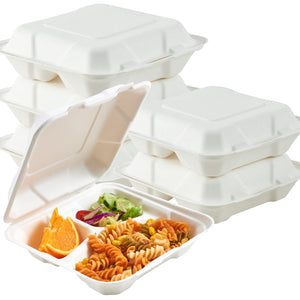
You can avoid the risks of plastic by using containers made from sugarcane bagasse. This natural, plant-based material is a fantastic choice for your microwave. Ecolipak's 8 inch Compostable Sugarcane 3 Compartment To Go Boxes are made from this material, making them sturdy, plastic-free, and tree-free.
Sugarcane bagasse offers superior safety for cooking. Here is how it compares to plastic:
|
Feature |
Sugarcane Bagasse |
Plastic |
|---|---|---|
|
Heat Resistance |
Maintains shape up to 200°F (93°C) |
Can warp or melt at lower temperatures |
|
Food Safety |
Free from BPA and other toxins; does not leach chemicals |
May release harmful chemicals when heated |
Certified Safe: Ecolipak products are BPI-Certified. This means an independent organization verified they break down safely in a commercial compost facility without leaving harmful residues. Being BPA-Free ensures no toxins get into your meals.
The Benefit of Ecolipak's Compartment Design
Ecolipak's compartment design makes preparing and reheating leftovers simple. The three sections keep your food separate, so your main course, side dishes, and sauces do not mix. This is perfect for meal prepping or saving leftovers from dinner. You can heat your entire meal at once without compromising the texture or flavor of different components. This design makes for well-organized meals and easy cleanup.
Best Practices for Cooking and Reheating Food
When you are ready for cooking and reheating food in your Ecolipak containers, you can follow a few simple tips for the best results. These sturdy dishes handle the microwave well. For reheating leftovers, use a medium power level. Heat your food in short bursts of one to two minutes. This gentle approach ensures your food heats evenly without overheating the container. This method is ideal for all kinds of microwave cooking, from warming up last night's pasta to preparing your pre-portioned meals.
Mastering your microwave is simple. You match the power levels to your food, understand your microwave's wattage, and choose safe containers. Lower power levels ensure even cooking and are safer for most dishes. For the best cooking results, remember to cover and stir your food. Using certified-safe containers like those from Ecolipak gives you peace of mind. You get great meals without worrying about harmful chemicals.
Green Pack, Go for ECOLipak.
FAQ
What is the difference between power level and wattage?
Your microwave wattage is its total available power. Power levels let you control what percentage of that wattage you use. A high wattage microwave at 50% power is stronger than a low wattage microwave at the same setting.
How do I adjust cooking times for my microwave's wattage?
You should check your microwave's wattage. If your wattage is higher than a recipe suggests, reduce the cooking time. If your wattage is lower, you will need to add more time for your food to cook properly.
Is the 'defrost' setting the same as low power?
Yes, the defrost function on your microwave uses low microwave oven power levels. It cycles the power on and off to thaw food gently without cooking the edges. This ensures your food thaws evenly.
Can I use any container in the microwave?
No, you should only use containers labeled "microwave-safe." Using the wrong materials can cause them to melt or release harmful chemicals into your food. Always check the container before you use it in the microwave.