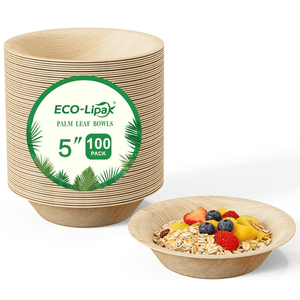
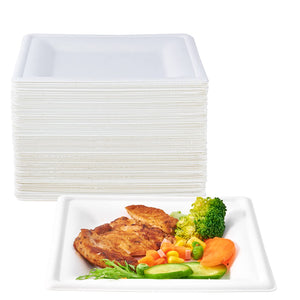
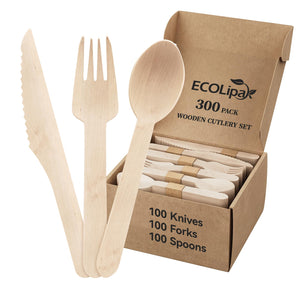
You can start your beach picnic story with a stress-free mindset. Choose eco-friendly options like compostable sugarcane plates and palm leaf plates to protect the beach and water. Make summer memories with your family picnic. Enjoy fun, relax, and savor food together. This picnic guide helps you create lasting memories.
Compostable plates reduce plastic waste at the beach.
They break down naturally, keeping water clean and promoting better waste management.
Key Takeaways
Choose eco-friendly picnic supplies like compostable plates to reduce plastic waste and protect marine life.
Pack food in reusable containers and use natural materials to keep your picnic fresh and minimize waste.
Plan fun, simple activities for your family picnic to create lasting memories while enjoying the outdoors.
Eco-Friendly Packing For Your Beach Picnic Story
Sustainable Containers & Ecolipak Plates
You want your beach picnic story to start with smart choices. When you pack like a pro, you help protect the beach and water. Ecolipak’s Compostable 7.85in and 10in Square Palm Leaf Plates make your picnic easy and eco-friendly. These plates are made from naturally fallen palm leaves. They are 100% compostable and biodegradable. You can serve hot soups, oily foods, or cold salads. Each plate has a unique pattern that looks great on your picnic table.
Here’s a quick look at how palm leaf plates compare to traditional disposable plates:
Feature |
Palm Leaf Plates |
Traditional Disposable Plates |
|---|---|---|
Biodegradability |
Completely biodegradable and compostable |
Not biodegradable |
Sourcing |
Made from naturally fallen leaves |
Often made from plastic or foam |
Environmental Impact |
Reduces landfill waste |
Contributes to landfill waste |
You can also use reusable containers, beeswax wraps, and bamboo cutlery. These choices keep food sand free and help you avoid plastic waste.
Tip: Pack your food in reusable silicone bags or glass containers. This keeps snacks fresh and safe from sand.
Ecolipak plates are PFAS-free and BPA-free. You can microwave or refrigerate them. They work for main courses and desserts. Customers love the durability and natural look. One family shared that their summer picnic felt special because the plates held up to heavy foods and looked beautiful. Another customer said cleanup was a breeze—no washing, just composting.
Easy Transport & Cleanup Tips
Packing your cooler is simple when you use eco-friendly products. Stack Ecolipak plates and reusable containers. Bring water in glass bottles or stainless steel canteens. Use organic cotton bags for snacks and drinks. You can carry everything in a sturdy tote.
Compostable plates make cleanup fast. After your meal, toss the plates in a compost bin. You don’t need to wash dishes or sort trash. This saves time and keeps the beach clean.
Compostable plates eliminate washing dishes.
You can compost them after use, reducing landfill waste.
Cleanup takes minutes, so you can get back to relaxing.
Note: Always check if your beach has compost bins. If not, bring a bag to take compostable items home.
What To Avoid: Single-Use Plastics
Single-use plastics cause big problems for the beach and water. They harm marine life and pollute oceans. Sea turtles and fish often eat plastic bags, which can make them sick or even cause death. Plastics take hundreds of years to break down. They leave behind microplastics that end up in seafood.
Environmental Impact |
Description |
|---|---|
Harm to Marine Life |
Animals eat plastic, leading to health issues and death. |
Pollution of Oceans |
Plastics create garbage patches, hurting marine ecosystems. |
Long-term Ecological Damage |
Plastics take centuries to decompose, causing microplastic contamination. |
You can avoid these problems by choosing alternatives:
Bamboo cutlery
Reusable straws
Biodegradable cotton bags
Glass bottles
Beeswax food wraps
Compostable plates
Pack snacks in reusable bags. Prepare food ahead of time to avoid last-minute plastic purchases. Choose Ecolipak plates for your picnic. You help protect the planet and make your beach picnic story a positive one.
Reminder: Every eco-friendly choice helps keep the beach and water safe for everyone.
Picnic Foods For Summer Fun
Eco-Conscious Meal Ideas
You want your beach picnic story to feel special, so start with picnic foods that are both delicious and eco-friendly. When you plan your menu, think about meals that are easy to eat and travel well. Ecolipak palm leaf plates make every dish look fresh and inviting. Their modern design and unique natural patterns add style to your picnic table, while their durability means you can serve everything from salads to sandwiches without worry.
Here are some favorite summer meal ideas for your next picnic:
Nicoise sandwiches with tuna, green beans, and arugula
Eggplant, prosciutto, and pesto pressed sandwiches on ciabatta
Fruit parfaits layered with berries and coconut whipped cream in small jars
Antipasto platters with olives and cured meats
Veggies and dips like hummus or ranch
Fried chicken that tastes great even when cold
BLT pasta salad for a refreshing bite
Sonoma chicken salad served with crackers or bread
You can serve all these foods on Ecolipak plates. They are leak-resistant and microwave-safe, so you can enjoy both hot and cold foods by the water. Each plate is PFAS-free and BPA-free, so you can feel good about what you serve your family.
Feature |
Description |
|---|---|
Modern Design |
Square plates provide a stylish and contemporary look for any picnic setting. |
Eco-Friendly Materials |
Made from compostable palm leaves, supporting sustainability. |
Durability |
Leak-resistant and microwave-safe, suitable for various food types. |
Unique Patterns |
Each plate has a distinct design, adding aesthetic appeal to the table. |
Health-Conscious |
PFAS-free and BPA-free materials ensure safe food serving. |
Tip: Use ball jars for salads and dressings. They are reusable and keep your food fresh.
Packing For Freshness & Minimal Waste
Packing your food the right way keeps everything fresh and helps you avoid waste. You can pre-chill your drinks and salads before you leave. Use leak-proof, insulated containers for anything that needs to stay cold. Fill your cooler with ice packs or frozen water bottles to keep food safe. After you eat, return leftovers to the cooler quickly so nothing spoils in the sun.
Here are some smart packing tips for your picnic:
Prepare meals ahead of time so you do not need to cook at the beach.
Use airtight containers instead of plastic bags to stop food from leaking or getting crushed.
Choose finger foods that are easy to eat and do not need utensils.
Pack hand sanitizer and wipes to keep your hands clean before eating.
Beeswax wraps work great for covering bowls or wrapping sandwiches. They are reusable and keep food fresh.
If you want to reduce waste even more, try these steps:
Replace single-use plastics with reusable or compostable options.
Watch your portion sizes to avoid extra food waste.
Support local suppliers for fresh ingredients.
Use digital lists instead of paper.
Set up clear signs for waste disposal.
Teach your family about composting and recycling.
Check waste stations to make sure everyone sorts trash correctly.
Coordinate with local composting facilities if possible.
Note: Ecolipak plates are compostable, so you can toss them in the compost bin after your meal. This makes cleanup quick and keeps the beach clean.
Snacks & Drinks That Travel Well
You want snacks and drinks that are easy to pack and do not create a mess. Choose options that use minimal packaging and are simple to serve on the beach. Ecolipak plates and cups work perfectly for these treats.
Snack/Drink Type |
Packaging Type |
Description |
|---|---|---|
Desserts and Pastries |
Compostable cups |
Serve with compostable cups and utensils for less waste. |
Breakfast Items |
Compostable plates |
Use local ingredients and avoid single-use plastics. |
Smoothies & Energy Bites |
Biodegradable wrappers |
Made with organic ingredients and served in compostable cups. |
Some great snacks for bites on the beach include:
Chopped fruits and veggies
Cheese plates
Pita bread with hummus
Hard-boiled eggs
Cookies, brownies, or biscuits (they travel better than ice cream)
For drinks, look for companies that use plant-based bottles. These bottles are recyclable and come from renewable sources, so they have a lower impact on the planet. You can also use glass or stainless steel bottles for water and juice.
Savor the flavor of summer with fresh, easy-to-eat snacks and drinks. Every small choice helps protect the beach and water for everyone.
Stress-Free Fun & Family Picnic Activities
Setting Up Your Eco-Friendly Picnic Spot
You want your family picnic to start with a great picnic spot. Pick a place you can reach by walking, biking, or using public transport. This helps keep the air and water clean. Try to find a spot not too close to the shore, so you avoid rising tides. Lay out a simple blanket and some cushions for comfort. Use natural decorations like shells or driftwood you find nearby. Bring reusable items for packing, such as bamboo cutlery and cloth napkins. Pack your food in containers that you can use again. Choose local, seasonal snacks to support the community and enjoy fresh flavors. Always check if the area has compost or recycling bins.
Choose a green location that is easy to reach.
Set up your picnic away from the water’s edge.
Use reusable and compostable picnic essentials.
Decorate with natural items.
Pack out all your trash.
Relaxing Games & Activities
A family picnic is all about stress-free fun. You can relax and enjoy the summer with simple games everyone loves. Here are some ideas:
Activity |
Description |
|---|---|
Treasure Hunt |
Kids search for shells, pebbles, or other beach treasures. |
Musical Towels |
Play music and have everyone sit on towels, just like musical chairs. |
Sand Mermaids |
Shape someone into a mermaid using sand and beach finds. |
Paint Rocks |
Bring paints and let kids decorate rocks with beach themes. |
Draw What You See |
Everyone draws the beach scene, sparking creativity. |
I Spy |
Take turns spotting different things around you. |
Build a Sand Fort |
Work together to build a big sand fort. |
These activities help your family relax, laugh, and make memories.
Quick Cleanup With Ecolipak Plates
Cleanup after your meal should be easy. Ecolipak plates make it simple. They are sturdy and leak-resistant, so you do not have to worry about spills. After you finish eating, just collect the plates and put them in a compost bin or take them home to compost. You do not need to wash dishes or sort trash. Families love how these plates handle both hot and cold food, making cleanup fast and hassle-free. This means you can spend more time having fun and less time cleaning up.
Tip: Always bring a bag for compostables if your picnic spot does not have a compost bin.
Leave-No-Trace Beach Picnic Story
Cleanup Tips & Composting With Ecolipak
You want your beach picnic story to end as beautifully as it began. Leaving no trace means you take everything you brought and leave the sand and water just as you found them. Here’s a simple checklist for a zero-waste cleanup:
Pick a spot with easy access and compost bins if possible.
Pack your food in reusable containers and bring cloth napkins.
Use Ecolipak compostable plates for all your meals.
Bring wipes and a bag for compostables.
Avoid single-use plastics to keep cleanup simple.
Sort your waste and recycle what you can.
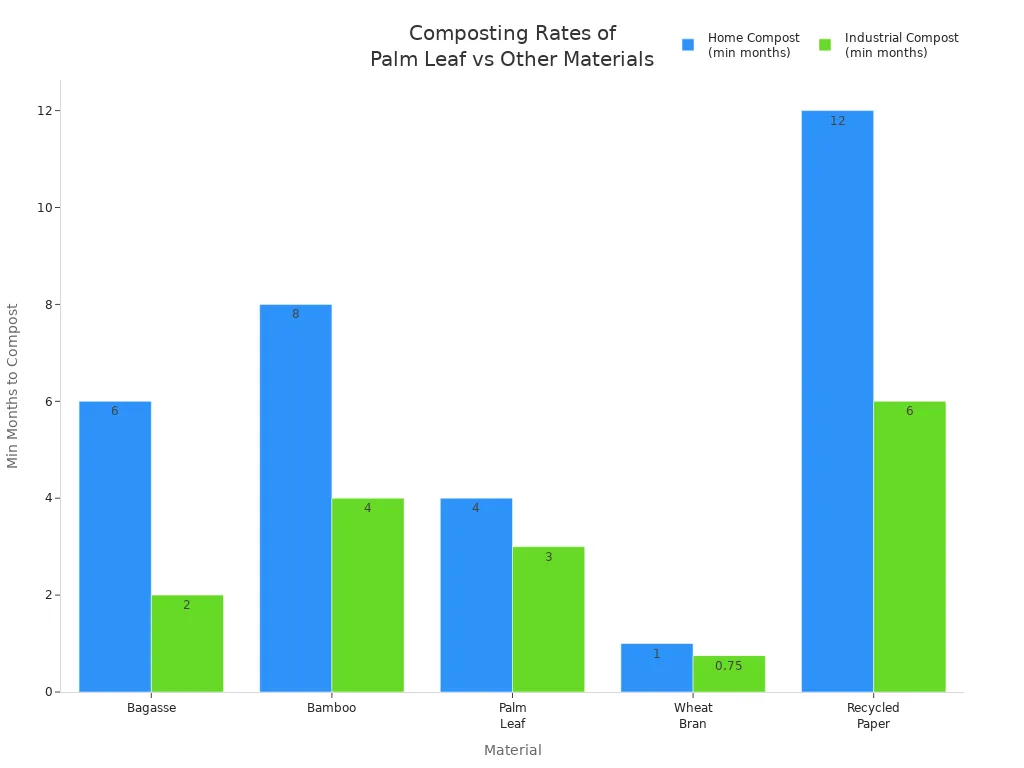
Ecolipak plates make composting easy. After your meal, just collect the plates and food scraps. If it grows, it goes in the compost. These plates break down faster than many other materials, especially in industrial composting. Check out how palm leaf plates compare:
Material |
Home Compost |
Industrial Compost |
Landfill |
|---|---|---|---|
Bagasse |
6–12 months |
2–4 months |
3+ years |
Bamboo |
8–18 months |
4–6 months |
5+ years |
Palm Leaf |
4–8 months |
3–5 months |
5+ years |
Wheat Bran |
1–3 months |
3–6 weeks |
2+ years |
Recycled Paper |
12–24 months |
6–12 months |
10+ years |
Protecting The Planet After Your Picnic
You make a big difference every time you choose compostable products. Ecolipak plates and utensils break down into healthy soil, not trash. They help keep beaches clean and protect animals that live near the water. When you use renewable materials, you help save resources and keep the earth in balance. Compostable products also cut down on landfill waste and stop pollution from plastics.
Community cleanups matter, too. When you join or start a cleanup, you remove debris that can hurt birds and sea life. You also help your town and keep beaches beautiful for everyone. Your summer picnic can inspire others. Share your favorite packing tips, food ideas, and eco-friendly habits with friends and family. Together, you can make every beach picnic story a win for the planet.
You can make your beach picnic story unforgettable this summer. Choose smart packing, compostable plates, and plant-based foods. Every family picnic builds memories and protects the planet. Sustainable choices help your family enjoy fresh meals, easy cleanup, and a healthier environment. Start planning and create moments that last.
FAQ
Can I compost Ecolipak plates at home?
You can compost Ecolipak plates in your backyard bin. They break down naturally and help create healthy soil for your garden.
What makes Ecolipak plates good for summer picnics?
You get sturdy plates that handle hot or cold foods. Their natural look fits any picnic vibe. Cleanup is easy, so you enjoy more summer fun.
How should I start packing for a beach picnic?
You can use reusable containers, beeswax wraps, and Ecolipak plates. Start packing snacks and drinks early. This keeps everything fresh and makes your picnic stress-free.