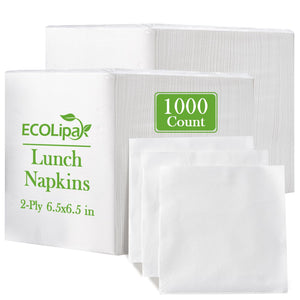
Can napkins be composted? Yes, you can compost many napkins, especially when you choose compostable paper napkins made from natural fibers. By composting instead of tossing them in the trash, you help keep waste out of landfills and cut down on harmful methane gas. This simple step supports cleaner air and a healthier planet. Ecolipak believes in making eco-friendly choices easy for everyone. Eco-friendly napkins not only reduce waste at home but also help enrich the soil and support a greener future.
Key Takeaways
-
Compostable napkins made from natural fibers enrich your garden and reduce landfill waste. Choose napkins without plastic coatings or heavy inks for the best results.
-
Look for eco-labels on napkin packaging to ensure they meet compostable standards. Certifications like BPI Certified and ASTM D6400 indicate safe composting options.
-
Avoid composting napkins with plastic, dyes, or chemicals. These materials can harm your compost and the environment, so always check for contamination.
-
Follow simple steps to compost napkins effectively. Tear large napkins into smaller pieces, mix them with other organic waste, and keep your compost pile aerated.
-
If composting isn't possible, consider reusing napkins for cleaning or pet waste. This helps reduce waste and supports a more sustainable lifestyle.
Can Napkins Be Composted?
When you finish a meal, you might wonder, can napkins be composted? The answer depends on the type of napkin you use. Some napkins break down easily and help your compost pile, while others do not belong in compost at all. Let’s look at what makes a napkin compostable and how you can make the best choice for your home and the planet.
Compostable Paper Napkins
Compostable paper napkins are a smart choice for anyone who wants to protect the environment and keep things simple at home. You can add these napkins to your compost pile, where they turn into healthy, organic material for your garden. But how do you know if your napkins are truly compostable?
Here’s what you should look for:
-
The napkins should be made from natural fibers, like wood or plant-based materials.
-
They should not have plastic coatings, heavy inks, or waxes.
-
The napkins should break down quickly in composting conditions.
Ecolipak’s 2-Ply Soft&Absorbent White Paper Napkins are a great example of compostable paper napkins. These napkins use premium paper fibers and contain no plastic or wax. They are BPA-free and safe for your family and the earth. When you add them to your compost, they break down into organic matter that helps your soil stay healthy.
You might see eco-labels or certifications on the packaging. These labels show that the napkins meet strict compostable standards. Here’s a quick guide to some common certifications:
|
Certification |
Description |
|---|---|
|
BPI Certified |
Meets strict standards for compostability. |
|
TÜV AUSTRIA |
Follows European EN 13432 compostability standards. |
|
Compost Manufacturing Alliance |
Passes ASTM lab standards for compostable paper. |
|
DEBIO Certified |
Safe for use in organic agriculture after composting. |
|
ASTM D6400 |
Breaks down within 180 days and leaves no toxins. |
|
EN 13432 |
Disintegrates in 12 weeks and fully biodegrades in six months. |
When you choose the best compostable paper napkins, you help reduce landfill waste and support a cleaner world. Compostable paper napkins also keep your compost pile balanced and healthy, adding valuable organic carbon.
Non-Compostable Napkins
Not all napkins belong in your compost bin. Some napkins contain materials that do not break down or may even harm your compost. You should avoid composting napkins that have:
-
Plastic coatings or shiny surfaces
-
Heavy dyes, metallic prints, or glitter
-
Synthetic fibers mixed with paper
-
Strong fragrances or chemical treatments
These napkins can slow down the composting process and may leave behind unwanted residues. If you wonder, can paper napkins be composted when they look glossy or feel slick, the answer is no. Only napkins made from compostable paper and free from additives will break down into organic matter.
When you pick napkins for your home, look for simple, uncoated, and natural options. Ecolipak’s compostable paper napkins fit this need perfectly. They are made from more than 98 percent fiber and contain no plastic or wax. This makes them safe for your compost and your family’s health.
If you want to make a difference, always check the packaging for compostable or organic labels. Choosing the best compostable paper napkins helps you create less waste and gives your garden the nutrients it needs. You can feel good knowing you are making a healthy choice for your family and the planet.
Identifying Eco-Friendly Napkins
Compost Eco-Friendly Napkins
You want to make sure you pick the right napkins for your home and the planet. With so many choices out there, it helps to know what makes napkins truly eco-friendly. When you look for compostable paper napkins, check the packaging for clear signs that they are safe for composting. Many eco-friendly napkins have special labels or symbols that show they are compostable and made from natural materials.
Here’s a quick guide to the most common visual cues you’ll see on eco-friendly napkins:
|
Eco-Label |
Description |
|---|---|
|
Environmental Labels |
Symbols showing the napkins are good for the environment |
|
Plastic-Free Certification |
Badge that means the napkins have no plastic in them |
|
Eco-Friendly Labels |
Simple images or words that highlight sustainability |
You might also spot trusted badges or symbols that say “compostable” or “plastic-free.” These make it easy to spot the best types of eco-friendly napkins when you shop. Choosing compost eco-friendly napkins helps you keep your compost pile healthy and your home waste-free.
Ecolipak Napkin Features
Ecolipak’s compostable paper napkins stand out for their quality and commitment to the environment. These eco-friendly napkins use premium paper fibers and contain no plastic, wax, or harsh chemicals. You get napkins that are soft, strong, and safe for your family. The napkins break down quickly in compost, turning into rich soil for your garden.
Why should you care about using eco-friendly napkins made from sustainable materials? Here are some important reasons:
-
Reduced environmental impact: These napkins help cut down on waste and pollution.
-
Healthier choices: Compostable paper napkins are free from harmful chemicals.
-
Support for ethical brands: Buying eco-friendly napkins means you support companies that care about the planet.
When you choose Ecolipak, you get napkins that are both practical and good for the earth. You help protect green spaces and make a positive difference every day. Next time you shop, look for the types of eco-friendly napkins that match your values and keep your home healthy.
Composting Steps
Composting napkins at home or in a commercial setting is easier than you might think. You just need to follow a few simple steps and pay attention to what goes into your compost pile. This composting guide will walk you through how to compost napkins, including Ecolipak’s compostable paper napkins, so you can turn waste into healthy, organic soil for your garden.
Preparation for Compost
Before you toss napkins into your compost, you need to make sure they are ready. Preparing paper towels for composting is just as important as choosing the right compostable paper napkins. Here’s how you can get started:
-
Gather your used napkins, serviettes, and food-soiled paper towels. Place them in your green cart or compost bin.
-
Only include napkins and paper towels that have been used for food or drying hands. If you used them with cleaning products or chemicals, throw them in the trash instead.
-
Never flush napkins or paper towels down the toilet. This can cause plumbing problems and is not eco-friendly.
-
Check for any non-compostable materials, like plastic wrappers or synthetic fibers, and remove them before composting.
-
If your napkins are very large or thick, tear or shred them into smaller pieces. This helps them decompose faster in the composting process.
Tip: Napkins that are too greasy or soaked in oil can slow down the composting process. Try to avoid adding these to your compost pile.
Napkins made from paper are generally compostable, but you should always check for contamination. If you see heavy dyes, glitter, or plastic coatings, keep those napkins out of your compost. Composting paper is all about keeping your pile clean and healthy.
Composting Methods
You have a few different methods for composting napkins, whether you’re at home or working with a commercial facility. Let’s look at the best ways to compost paper towels and napkins:
-
Home composting: Add compostable paper napkins and food-soiled paper towels to your backyard compost bin. Mix them with fruit scraps, vegetable peels, and plant trimmings. This keeps your compost pile balanced and helps everything decompose evenly.
-
Commercial composting: Many municipal programs accept food-soiled paper items, including napkins. In fact, about 83% of composting facilities take these products. Just set your compost bin or green cart out for collection on the scheduled day.
-
Shredding: Tear or shred napkins and paper towels before adding them to your compost. Smaller pieces break down faster and help speed up the decomposition process.
-
Layering: Mix napkins with other organic materials. Alternate layers of compost paper towels with kitchen scraps and yard waste. This method keeps your compost pile from getting too wet or too dry.
-
Air and moisture: Make sure your compost pile gets enough air and stays moist, but not soggy. Turn the pile every week or two to help the composting process and prevent odors.
Note: If you want to know how to compost paper or how to compost napkins faster, always mix them with other organic waste and keep your pile well-aerated.
Here’s a quick table showing how some municipalities handle compostable paper napkins:
|
Municipality |
Acceptable Items |
Collection Details |
|---|---|---|
|
Prince George's County |
Food-soiled paper items, including paper napkins |
Set out at curb by 6 am on Mondays |
|
City of Hyattsville |
Soiled paper napkins |
Included in compost yard waste collection |
Composting paper is a great way to reduce waste and create nutrient-rich soil. When you use eco-friendly napkins like Ecolipak’s, you support a cleaner environment and healthier gardens.
What to Avoid
Not all napkins belong in your compost pile. Knowing what paper towels shouldn’t be composted is key to a successful composting process. Here’s what to watch out for:
-
Napkins or paper towels used with cleaning chemicals, paint, or other toxic substances. These can harm your compost and your plants.
-
Napkins with heavy dyes, metallic prints, or glitter. These materials do not break down and may leave behind harmful residues.
-
Napkins with plastic coatings or synthetic fibers. These are not compostable and can disrupt the composting process.
-
Excessively greasy or oily napkins. Too much oil can slow down decomposition and attract pests.
-
Large amounts of paper towels or napkins at once. This can make your compost pile too wet and slow down the breakdown of organic material.
Alert: Sorting napkins and paper towels before composting can be tricky and messy, but it’s worth it. Only compost napkins that are free from chemicals and synthetic materials.
If you ever wonder what paper towels shouldn’t be composted, remember this simple rule: If you wouldn’t want it in your garden, don’t put it in your compost. Compostable paper napkins from Ecolipak are designed to break down quickly and safely, making them a perfect choice for eco-friendly families and businesses.
By following these steps and methods for composting, you help protect the environment and create healthy, organic soil. Composting napkins is a small change that makes a big difference for your home and the planet.
Alternatives to Composting
Sometimes, composting napkins just isn’t possible. Maybe you have napkins that don’t meet compostable standards or you’re looking for other ways to handle used napkins. Let’s explore some practical alternatives that help you stay eco-friendly and protect the planet.
Recycling
You might wonder if you can recycle napkins instead of composting them. The answer is simple: paper napkins are not recyclable. Even if they look clean, the fibers in napkins are too short for recycling. If napkins are greasy or food-soiled, recycling centers will not accept them. Composting remains the best option for eco-friendly napkins, but when that’s not possible, you need to look for other solutions.
Reusing
Before you toss napkins, think about how you can give them a second life. You can repurpose used napkins in several ways:
-
Turn them into cleaning rags for small spills.
-
Use them for pet waste disposal.
-
Save them for wrapping fragile items in storage.
These simple steps help you reduce waste and make the most of your eco-friendly napkins. Reusing napkins supports a more sustainable lifestyle and keeps your home organized. Families often find creative ways to reuse napkins, making eco-friendly choices part of daily life.
Disposal of Non-Compostable Napkins
If you have napkins that are not compostable, you will need to throw them in the trash. When non-compostable napkins end up in landfills, they break down without oxygen and release methane gas. Methane is a powerful greenhouse gas that harms the environment. Landfills in the US are a major source of methane emissions, mostly from organic materials like food and napkins.
To avoid this, choose eco-friendly napkins made from compostable materials whenever possible. Ecolipak offers a wide range of compostable and organic napkins, plates, and packaging. These products use materials like PLA, wood pulp, and other plant-based fibers. If you want to buy compostable paper napkins bulk, Ecolipak makes it easy to switch to greener options. By picking eco-friendly napkins, you help protect your family’s health and the planet.
Tip: Look for napkins labeled as compostable or organic. These eco-friendly napkins break down safely and support a cleaner environment.
Troubleshooting Compost
Odor
Sometimes, you might notice a bad smell coming from your compost pile when you add eco-friendly napkins. This usually happens because the balance between green and brown materials is off. If you have too much nitrogen and not enough carbon, your compost can start to smell like ammonia or even sewage. To fix this, add more brown materials, such as dried leaves, shredded cardboard, or extra compostable napkins. These carbon-rich items help soak up extra nitrogen and keep your compost smelling fresh. Keeping the right carbon-to-nitrogen ratio is key for odor control. If you ever wonder why your compost smells, just remember to mix in more brown materials and turn the pile often.
Tip: The ideal carbon-to-nitrogen ratio for composting is about 30:1. Adding more eco-friendly napkins or other brown materials can help you reach this balance.
Pests
No one wants pests in their compost. Sometimes, rodents, raccoons, insects, or even birds get attracted to compost piles, especially if you add food scraps along with napkins. You can keep pests away by covering your compost pile and turning it regularly. Make sure you keep a good mix of green and brown materials. Monitor your compost for any signs of unwanted visitors. Using only compostable, eco-friendly napkins helps, since they break down cleanly and don’t attract pests as much as other waste.
-
Keep your compost covered.
-
Turn the pile every week.
-
Watch for signs of pests and adjust your compost mix if needed.
Decomposition Time
You might ask, how long does it take for a paper napkin to decompose? The answer depends on a few things. The carbon-to-nitrogen ratio, moisture, oxygen, temperature, and the presence of helpful microorganisms all play a part in how fast your eco-friendly napkins break down. Here’s a quick look at what affects decomposition:
|
Factor |
Description |
|---|---|
|
Carbon to Nitrogen Ratio |
A good balance (about 3:1 or 4:1 browns to greens) speeds up decomposition. |
|
Moisture Content |
Compost needs to be damp, not soggy or dry. |
|
Oxygen Levels |
Turning the pile adds air and helps napkins decompose faster. |
|
Microorganisms |
Bacteria and fungi break down napkins and other compostable materials. |
|
Temperature |
Warm compost piles work faster. |
If you use Ecolipak’s compostable napkins, you’ll notice they break down efficiently. These napkins are made from premium paper fibers and contain no coatings or additives, so they decompose quickly in a healthy compost pile. Many people ask, how long does it take for a paper napkin to decompose? With the right conditions, eco-friendly napkins like Ecolipak’s can break down in just a few weeks to a couple of months. This means you get rich, healthy compost for your garden without a long wait.
Note: Choosing compostable, eco-friendly napkins helps protect the environment and keeps your compost pile healthy for your family and the planet.
You can make a real difference by choosing eco-friendly napkins and learning how can napkins be composted. Always add compostable napkins to your compost bin, but avoid items like meat or dairy. Check the table below for best practices:
|
Composting Practice |
Details |
|---|---|
|
Acceptable Items |
Compostable napkins, biodegradable paper, waxed paper |
|
Avoid |
Meats, dairy, fats |
Switching to compostable napkins brings big benefits of using eco-friendly napkins. You help reduce plastic pollution, lower carbon emissions, and protect your family’s health. When you compost napkins, you support a cleaner planet. Try sharing your compost tips with friends and inspire others to choose eco-friendly napkins every day.
FAQ
Can I compost napkins with food stains?
Yes, you can compost napkins with food stains. Just make sure they do not have grease, oils, or chemicals. Food-soiled napkins add nutrients to your compost pile and help create rich soil for your garden.
Are Ecolipak napkins safe for kids and pets?
Absolutely! Ecolipak napkins use premium paper fibers and contain no harsh chemicals. You can feel confident using them around your family and pets. They break down safely and support a healthy home.
How do I know if my napkins are compostable?
Check the packaging for compostable or eco-friendly labels. Look for napkins made from natural fibers without plastic coatings. Ecolipak napkins are a great choice because they meet these standards and support your green lifestyle.
What should I do if my compost pile smells bad?
If your compost pile smells, add more dry materials like shredded napkins or leaves. Turn the pile to add air. This helps balance your compost and keeps your backyard fresh. Composting should not create strong odors.
Can I use compost from napkins in my vegetable garden?
Yes, you can use compost made from napkins in your vegetable garden. Make sure you only compost napkins free from chemicals or synthetic materials. This keeps your soil healthy and your food safe.