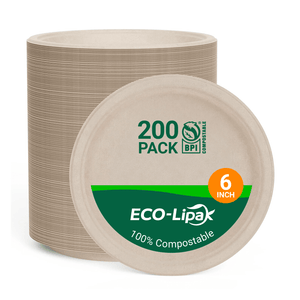
Yes, BPI certification is crucial for any sustainable choice. The Biodegradable Products Institute (BPI) provides North America's leading certification for compostable products. This BPI standard offers a reliable benchmark for sustainability, cutting through confusing "biodegradable" claims on eco-friendly packaging. The BPI certification ensures BPI certified compostable products, like Sugarcane Compostable Plates, are truly compostable. This process turns waste into a valuable compostable resource. Understanding the Biodegradable Products Institute and its BPI compostable label is key to trusting this certification.
Did You Know? 🧐 Over half of all waste in U.S. landfills is made of compostable materials like food and paper. Choosing BPI certified products helps divert this compostable waste.
Key Takeaways
-
BPI certification ensures products are truly compostable, helping reduce landfill waste and methane gas.
-
BPI compostable products break down into healthy soil within 180 days in commercial composting facilities.
-
The BPI logo helps consumers trust that a product is genuinely compostable, unlike vague 'biodegradable' claims.
-
Choosing BPI certified products supports a circular economy and helps businesses meet sustainability goals.
-
Always look for the official BPI certification mark on products to make environmentally friendly choices.
Understanding the Biodegradable Products Institute
A deeper look into the Biodegradable Products Institute (BPI) reveals why its certification is so important. Understanding the biodegradable products institute begins with its mission. The organization works to create a circular economy. It achieves this by promoting standards, research, and science-based verification for compostable materials. BPI is the leading authority in North America for compostable products.
The Role of the Biodegradable Products Institute
The Biodegradable Products Institute plays a vital role in the sustainable products industry. It builds confidence among consumers, manufacturers, and composting facility operators. The BPI certification mark shows that a product has been scientifically verified to be compostable. This helps everyone make informed choices. The Biodegradable Products Institute also actively supports composting infrastructure.
BPI in Action 🤝 The Biodegradable Products Institute partners with groups like the Composting Consortium. It provides grants to cities and facilities across the U.S. to improve composting access and education. For example, a grant helped the City of Modesto, CA, update its outreach materials to highlight the importance of using certified compostable packaging.
This work ensures that when you choose BPI certified compostable products, there is a system in place to handle them correctly. The BPI certification gives composters confidence that they are accepting materials that will not harm their composting process.
Defining BPI Compostable vs. Biodegradable
The terms "BPI compostable" and "biodegradable" are often confused, but they mean very different things. Understanding the biodegradable products institute requires knowing this difference.
The term biodegradable simply means something will break down over time. However, this term is vague and often unregulated. A plastic bottle is technically biodegradable, but it might take hundreds of years. Because the term can be misleading, some states like California, Washington, and Maryland have banned its use on plastic packaging.
The BPI compostable label is much more specific. To earn this certification, a product must meet strict scientific standards.
-
ASTM D6400: This standard requires that a product breaks down into healthy soil within 180 days in a commercial composting facility.
-
ASTM D6868: This standard applies to plastic films or coatings on compostable items, ensuring the entire product is safe for composting.
BPI certified compostable products are designed for the specific, high-heat environment of industrial composting. The BPI certification guarantees a product will break down quickly and safely.
|
Feature |
Vague "Biodegradable" |
Specific "BPI Compostable" |
|---|---|---|
|
Environment |
Breaks down in nature, but the timeline is undefined. |
Breaks down in a controlled, high-heat commercial composting facility. |
|
Timeline |
Can take years or even centuries. |
Breaks down within 180 days. |
|
Verification |
Often an unverified marketing claim. |
Independently verified by the Biodegradable Products Institute (BPI). |
|
Final Result |
Can leave behind microplastics or toxins. |
Becomes nutrient-rich compost with no toxic residue. |
Protecting Soil and Reducing Landfill Waste
Choosing BPI certified compostable products has a major positive environmental impact. Traditional plastics are made from fossil fuels. When they break down, they create tiny particles called microplastics. These particles can enter the soil and water, carrying harmful chemicals like BPA that disrupt ecosystems.
BPI compostable products offer a solution. Since they are made from materials like sugarcane, they break down completely during composting. This process turns waste into a valuable resource: nutrient-rich compost that improves soil health. This is a key part of reducing plastic waste.
Furthermore, using compostable products helps fight climate change.
-
Organic waste like food scraps makes up a large portion of landfills.
-
In a landfill, this waste breaks down without oxygen, releasing methane.
-
Methane is a greenhouse gas over 80 times more potent than carbon dioxide.
By diverting compostable materials away from landfills and into composting facilities, we prevent methane from being released. Composting is an aerobic process (meaning it uses oxygen), so it does not produce methane. This makes composting a powerful tool for protecting our environment. The BPI certification ensures products are truly part of this beneficial cycle.
How BPI Certification Empowers Brands Like Ecolipak
BPI certification is more than a label; it is a powerful tool for brands committed to genuine environmental progress. For a company like Ecolipak, whose mission is to provide high-quality eco-friendly packaging, this certification is fundamental. It allows Ecolipak to deliver on its promise of sustainability, offering customers reliable and truly compostable solutions. The BPI logo transforms a simple product into a verified part of the circular economy.
Building Consumer Trust with Verified Claims
In a marketplace filled with confusing green claims, trust is everything. The BPI certification mark serves as a clear, honest signal to consumers. It shows that a product has passed rigorous, science-based testing from the Biodegradable Products Institute. This third-party verification cuts through the noise of unregulated terms like "eco-friendly" or "earth-friendly."
When customers see the BPI logo on Ecolipak's packaging, they do not have to guess. They know the product is a legitimate BPI compostable item. This builds confidence and empowers them to make purchasing decisions that align with their values. The certification validates Ecolipak's commitment to sustainability, creating a transparent relationship with its community.
Ecolipak's BPI-Certified Sugarcane Plates
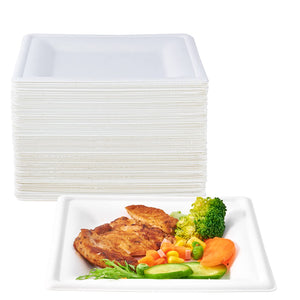
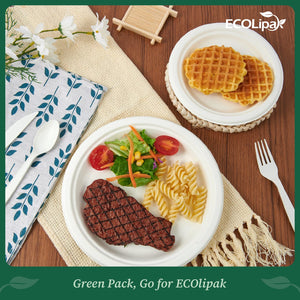
Ecolipak's Compostable Sugarcane Plates are a perfect example of BPI certification in action. These plates are not just disposable; they are designed for a sustainable end-of-life. They are crafted from 100% sugarcane fiber, a renewable byproduct of the sugar-making process.
The manufacturing process turns this agricultural waste into durable tableware through several key steps:
-
Pulp Preparation: Raw sugarcane bagasse is ground and mixed with water to create a pulp.
-
Molding: The pulp is pressed into plate shapes using high heat and pressure.
-
Drying and Finishing: Plates are dried and trimmed to ensure a smooth, uniform finish.
-
Quality Control: Each plate is inspected to meet high standards before packaging.
This process creates BPI certified compostable products that deliver exceptional performance without compromising environmental integrity. Customer feedback consistently highlights that sustainability does not mean a loss of quality.
"Very sturdy, a nice bright white... They are PERFECT for standing and holding -- very stiff and a nice size. No leaking, weakening, bending." - Susan M., Ecolipak Customer
Ecolipak's BPI certified products are designed to handle real-life meals. Their performance characteristics prove their reliability.
|
Feature |
|
|---|---|
|
Leak Resistance |
Excellent for saucy and greasy foods, holding liquids for hours. |
|
Temperature Resistance |
Microwave and freezer safe; handles hot and cold dishes with ease. |
|
Structural Integrity |
Stays strong without bending or breaking, even with heavy portions. |
The BPI certification guarantees these plates will break down safely during commercial composting, returning nutrients to the soil. This makes them one of the best sustainable packaging solutions available.
Meeting Demand for Sustainable Business Practices
Businesses today face growing pressure from consumers and regulators to adopt more sustainable practices. The market for sustainable packaging solutions is expanding rapidly, with a projected compound annual growth rate (CAGR) of over 7% in the coming years. BPI certification helps businesses meet this demand effectively.
By choosing BPI certified compostable products, companies can achieve several key objectives:
-
Meet ESG Goals: Using compostable packaging helps businesses reduce landfill waste, lower methane emissions from composting, and enhance their brand reputation.
-
Comply with Regulations: Many cities and states are enacting bans on single-use plastics. BPI certification ensures products comply with these laws, helping businesses avoid fines and operational disruptions. For example, some local ordinances explicitly approve BPI certified items.
-
Improve Waste Streams: For food service businesses, pairing compostable packaging with food scraps simplifies waste management. It allows them to divert a larger volume of material away from landfills and toward beneficial composting.
Ecolipak provides these essential solutions, enabling other businesses to advance their own commitment to sustainability. The BPI certification is the key that unlocks these benefits, ensuring all partners in the supply chain are contributing to a healthier planet through proper composting.
The Value of BPI for Sustainable Packaging
The BPI certification provides immense value for sustainable packaging. It creates a trusted system for turning waste back into a resource. This process is essential for a healthy environment. Understanding the biodegradable products institute helps show how this system works.
Ensuring Integrity in the Circular Economy
BPI certification is a cornerstone of the circular economy. It ensures that compostable materials do not contaminate the compost stream. The Biodegradable Products Institute has strict rules for this.
-
Products must not contain intentionally added harmful chemicals like PFAS.
-
Only items associated with food scraps are eligible for BPI certification. This helps composters manage waste.
-
The BPI certification mark must be clearly visible on the packaging.
This system allows BPI certified compostable products to break down safely. They become a natural soil amendment, which supports healthy plants and a more sustainable food system. This closes the loop on organic waste, turning used packaging into a benefit for the environment.
The Limits: Commercial vs. Home Composting
The term BPI compostable typically refers to commercial composting. There is a big difference between commercial composting and home composting.
|
Feature |
Commercial Composting |
Home Composting |
|---|---|---|
|
Temperature |
Reaches very high, controlled temperatures (above 131°F). |
Has lower, less stable temperatures. |
|
Breakdown |
Breaks down materials like bioplastics and meat quickly. |
Is much slower and cannot handle all materials. |
Putting a commercial-only compostable product in a home compost bin will not work. The product will not break down properly. However, the BPI is creating new solutions. BPI now offers a "Commercial & Home Compostable" certification for products that can break down in both environments. This new certification helps people who do composting at home.
How to Verify a Product's BPI Certification
You can easily check if a product has a real BPI certification. Following these steps ensures you choose genuinely compostable eco-friendly packaging.
-
Look for the Mark: Find the official BPI certification mark on the product or its packaging. It is a distinct logo that says "BPI COMPOSTABLE".
-
Avoid Vague Terms: Be careful with general claims like "biodegradable" or "earth-friendly." These words do not guarantee the product is compostable.
-
Check the BPI Database: The best way to verify BPI certified products is to use the BPI's online catalog. You can search for the company or product name to confirm its certification is valid.
This verification process empowers consumers to make choices that reduce their environmental impact and support true sustainable packaging solutions.
BPI certification is essential for anyone serious about sustainability. The Biodegradable Products Institute provides scientific verification for compostable materials, ensuring they are truly compostable. This certification builds brand integrity for companies like Ecolipak. It also empowers consumers to make sustainable choices that reduce their environmental impact.
Support a Circular Economy! ♻️ Always look for the BPI certification mark on packaging. Choosing BPI certified products, like Ecolipak's sustainable solutions, ensures items are BPI compostable. This supports proper composting. Your choice helps turn waste into a resource through effective composting. The BPI makes composting work.
FAQ
What does BPI stand for?
BPI stands for the Biodegradable Products Institute. This organization tests products to confirm they are truly compostable. It provides North America's leading scientific certification for compostable materials, ensuring they break down safely in a commercial facility.
Are BPI certified products more expensive?
BPI certified products offer excellent value. Brands like Ecolipak provide high-quality, sustainable options that are often priced competitively with traditional disposable products. You can support the environment without sacrificing performance or your budget.
Can I put BPI certified items in my recycling bin? ♻️
No, BPI certified items belong in a commercial compost bin, not a recycling bin. They are made from different materials than recyclable plastics or paper. Putting them in recycling can contaminate the process and ruin a batch of recyclable materials.
Why choose BPI certified products like Ecolipak's?
Choosing BPI certified products from brands like Ecolipak guarantees a product is genuinely compostable. The BPI logo acts as a trusted signal. It shows the item has passed strict scientific tests, helping you make a truly sustainable choice.