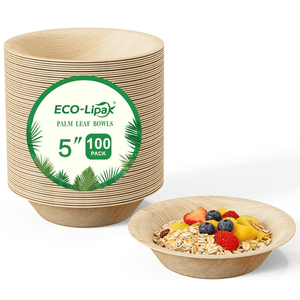
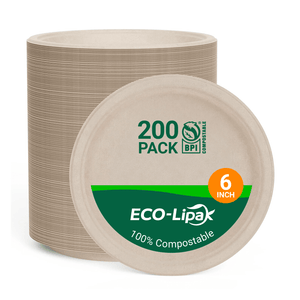
You want sustainable living to feel easy and exciting for your family. Kids love hands-on activities, and you can turn everyday moments into learning opportunities. Sustainable living builds lifelong habits, and research shows that children who recycle or use compostable paper cups often grow up protecting the environment. You help your kids become eco-champions, and your family enjoys lasting benefits.
Teaching children about sustainable living gives them a sense of responsibility.
Kids who learn sustainable living early are more likely to keep those habits as adults.
Your family creates a future where nature matters.
Key Takeaways
Involve kids in sustainability projects to help them feel responsible for the planet.
Set simple sustainability goals together to encourage teamwork and engagement.
Make green activities fun and creative to inspire kids to develop lifelong eco-friendly habits.
Family and Sustainable Living
Why Involve Kids in Sustainability
You play a big role in shaping how your kids see the planet. When you involve kids in sustainability, you show them that protecting the planet starts at home. Kids love feeling important, and you can help them see that their actions matter. Families often choose sustainability for kids because it improves health, saves money, and builds a better planet for future generations.
Adopting sustainability at home boosts family health.
You save money by reducing waste and reusing items.
Your choices help the planet and set an example for your kids.
“The best place to start saving the world is in the home,” says Claire Malone from the Norman Sustainability Network. “The key is to start young and have kids feel like they are taking care of their family and the environment at the same time.”
Ecolipak makes sustainability for kids easy. The brand believes everyone can help protect the planet. Ecolipak’s mission is to provide eco-friendly products that make sustainability simple for families. You can use compostable cups and wooden cutlery at home or events, showing kids that green choices are fun and accessible.
Benefits for Kids and the Planet
Kids who join in sustainability projects learn valuable skills. They understand how their actions affect the planet. You help them build habits that last a lifetime. Nature and outdoor activities support healthy development and boost focus.
Nature helps kids grow intellectually, emotionally, and physically.
Outdoor learning improves focus and reduces anxiety.
Kids gain confidence and teamwork skills through green projects.
Evidence Description |
Findings |
Source |
|---|---|---|
Nature play promotes skills relevant to sustainability |
Kids in nature-based preschools showed greater curiosity, creative thinking, and resilience. |
Ernst & Burcak, 2019 |
Environmental education impacts behavior |
Childhood experiences with nature link to future activism for the planet. |
Chawla, 1999; Pease et al., 1997 |
You create a family tradition of sustainability for kids. Your efforts help in protecting the planet and inspire others to do the same.
Getting Kids Started with Green Projects
Setting Goals for Sustainability
You want your kids to care about the planet, but where do you start? Begin by setting simple goals together. Kids love to feel included, so let them help choose what matters most. You might form a family green team and brainstorm ways to save energy or reduce waste. Try picking one or two easy activities, like turning off lights or using Ecolipak’s compostable cups at snack time. When you involve kids in the process, they learn to set goals and track progress. Place-based learning, like exploring your backyard or local park, helps kids see how their actions make a difference. Nature play boosts curiosity and resilience, which are key for tackling environmental challenges. You can even keep a chart to celebrate every small win.
Let kids help pick sustainability goals.
Try easy activities, such as composting or recycling.
Use outdoor play to connect with nature.
Celebrate achievements with stickers or a family reward.
Make It Fun and Engaging
Kids remember what makes them smile. If you make it fun, they want to do it again. Turn green projects into games or challenges. For example, see who can collect the most recyclables or create a diy kids play area using upcycled materials. Hands-on activities, like building a bug hotel or making crafts from Ecolipak’s wooden cutlery, keep kids interested. Family-oriented activities spark curiosity and help kids learn by doing. When you celebrate small achievements, kids feel proud and want to keep going. Play outside, explore, and let kids lead the way. These easy activities turn learning into an adventure and help kids build habits that last.
Tip: Kids love to play, so let them take charge of some activities. You might be surprised by their creativity!
Involve Kids in Recycling Projects
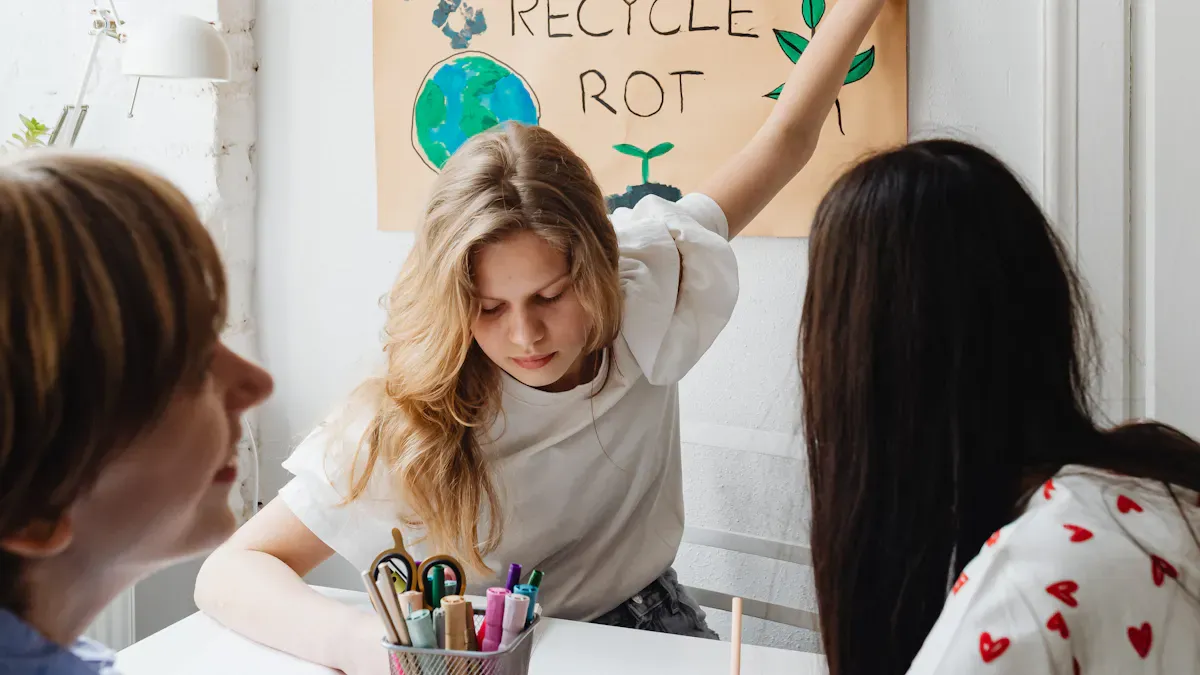
Simple Recycling Crafts
You can turn recycling into a creative adventure for your family. Kids love hands-on projects, and you help them learn about recycling while having fun. Try together. Show kids how to separate biodegradable, recyclable, and regular trash. This simple activity teaches kids about waste and helps them understand why recycling matters.
You can make a bird feeder from an old milk jug. Kids decorate the jug, fill it with seeds, and hang it outside. This craft encourages creativity and shows how you can recycle everyday items. Homemade art items are another favorite. Use recycled materials to create playdough, paint pots, or crayons. Kids see how recycling gives new life to old things.
Seed paper is a craft that combines art and gardening. Kids mix recycled paper with seeds, press it into shapes, and let it dry. Later, you plant the paper and watch flowers grow. Compost bottles are great for teaching kids about waste. Fill a clear bottle with food scraps and soil. Kids observe how scraps turn into fertilizer over time.
Tip: Let kids lead the way. Ask them what items they want to recycle or reuse. You might discover new eco-friendly activities together.
Building a Home Recycling Station
You make recycling easy when you set up a home recycling station. Kids help organize bins and learn about recycling categories. You can use color-coded bins for paper, plastic, glass, and metal. Stackable bins save space and keep materials separate. Bins with lids contain odors and prevent spills. Durable containers last longer and handle repeated use.
Here’s a quick guide to materials for your recycling station:
Type of Bin/Material |
Description |
|---|---|
Clearly labeled bins |
Indicate which materials go in each bin (e.g., paper, plastic, glass). |
Stackable bins |
Save space while keeping materials separate and organized. |
Bins with lids |
Contain odors and prevent items from spilling or attracting pests. |
Durable materials |
Heavy-duty plastic, metal, or recyclable containers for repeated use. |
Categories for recycling |
Separate bins for paper, plastic, glass, metal, and compostable waste. |
You can add indoor recycling bins with different colors or compartments. Compost bins work well on the countertop or outside. Eco-friendly trash bags make cleanup simple. Some families use smart recycling bins with sensors. Reusable shopping bags help reduce waste when you shop.
Kids enjoy sorting items and tracking how much you recycle each week. You can create a chart and celebrate milestones. This activity helps kids learn about recycling and builds teamwork.
Ecolipak Compostable Wooden Cutlery Crafts
You can involve kids in recycling by using Ecolipak’s compostable wooden cutlery for crafts. These eco-friendly utensils are perfect for creative projects. Kids build picture frames, puppets, or plant markers using forks, knives, and spoons. The smooth finish makes them safe for little hands.
Wooden cutlery is biodegradable and compostable. It decomposes naturally without harmful toxins. You help reduce plastic pollution and support eco-friendly practices. Wooden cutlery has a much lower carbon footprint than plastic. Emissions drop by about 70-75%. Kids see how eco-friendly materials make a difference.
Try making a mini garden sign with wooden spoons. Kids paint their names or draw flowers. You can use forks to build a small fence for a fairy garden. Knives become craft sticks for building models. These crafts teach kids about recycling and waste reduction.
Note: Ecolipak’s compostable wooden cutlery is sturdy and easy to use. You can recycle it after crafts or compost it in your garden.
You involve kids in recycling projects that teach them about waste management. These eco-friendly activities help kids learn about recycling, reduce waste, and build lifelong habits. You make sustainability fun and accessible for your family.
Upcycling and Eco-Friendly Home Hacks
Upcycle Everyday Items
You can turn everyday items into treasures with upcycling. Kids love making new things from old stuff. Try transforming worn-out clothing into toddler leggings or hand puppets. Old socks become beanbags or mug cosies. You can create colorful origami using old mail and magazines. Upcycling plastic bottles gives you endless possibilities. Make planters, bird feeders, or even a mini greenhouse. Kids enjoy building animal nesting dolls from cereal boxes. You can craft a mosaic photo frame from old CDs. These upcycling hacks help you reduce waste and spark creativity at home.
Eco-Friendly Kitchen Tips with Ecolipak
You want your kitchen to be a hub for eco-friendly life hacks. Start by switching to Ecolipak’s compostable cups and cutlery. These products make cleanup easy and support your eco goals. Use a dishwasher instead of handwashing to save water. Choose plant-based foods for meals. You lower greenhouse gas emissions and conserve resources. Store bulk ingredients in jars to cut down on packaging waste. Invest in reusable scrubbers instead of disposable sponges. Try refillable dispensers for cleaning products. These hacks help you build a greener home and teach kids about eco choices.
Reusables Kit for Kids
Kids love having their own eco-friendly life hacks kit. You can pack reusable napkins, water bottles, and Ecolipak wooden cutlery. Encourage kids to squeeze out every bit of toothpaste and compost old cotton T-shirts. Regrow celery from kitchen scraps. Collect rainwater for gardening. These hacks make sustainability fun and easy for kids. You help them build habits that last and create a more eco-friendly home.
Gardening and Nature Activities for Kids
Start a Family Herb Garden
You can start a family herb garden right in your kitchen or backyard. Kids love digging in the soil and watching plants grow. Planting seeds helps them develop fine motor skills. You teach responsibility as kids water and care for the garden. They learn patience while waiting for herbs to sprout. Growing food together boosts their ecological literacy and helps them understand where their meals come from. Kids feel proud when they harvest basil or mint for dinner. Gardening supports emotional well-being and encourages better nutrition. You can use Ecolipak’s compostable cups to start seedlings and practice composting with kitchen scraps. These activities make your garden eco-friendly and fun.
Outdoor Nature Art
You can turn quality time outdoors into a creative adventure. Kids enjoy making art with leaves, stones, and twigs. Nature art projects help them appreciate natural resources and stimulate creativity. Activities like stone painting and leaf mandalas improve fine motor skills. Kids explore textures and colors, connecting with the environment through sensory learning. You can use composting to recycle leftover plant materials after art sessions. Encourage kids to create collages or nature journals to track seasonal changes in the garden.
Bird Feeders from Household Items
Kids can build bird feeders using recycled materials. An old milk jug works well.
An old milk jug can be transformed into a bird feeder by cutting small holes for perches and inserting branches. This method is engaging for children and utilizes recycled materials.
You can decorate the feeder with paint or natural items from the garden. Fill it with seeds and hang it outside. Kids observe birds and learn about local wildlife. Composting leftover seeds and shells teaches them about waste management. These activities help kids connect with nature and build sustainable habits.
Make It Fun: Celebrate and Integrate Sustainability
Family Green Calendar
You can make green living a family tradition with a simple calendar. Mark special days for eco-friendly activities, like planting trees or having a plastic-free picnic. Add stickers for every green action your family completes. This keeps everyone excited and helps you see your progress. Talk with your kids about green living. Explain why you choose compostable cups or pack lunches with Ecolipak’s wooden cutlery. These small steps add up and help your family build strong habits.
Discuss green living with your children.
Commit to packing lunches to reduce waste.
Teach the difference between needs and wants.
Zero Waste Challenge for Kids
Kids love a good challenge! Try a zero waste week. See who can create the least trash or find the most creative way to reuse something. Use Ecolipak’s compostable products at your next family event to make cleanup easy and green. Keep your projects visible in your home. This keeps everyone motivated and reminds you to stay on track. Regular check-ins help you celebrate progress and adjust your plans.
Tip: Make the challenge fun by offering a small reward or a family outing when you reach your goal.
Sharing Achievements
Celebrating your green wins brings your family closer. Share your achievements with friends or neighbors. You can reflect at the end of the year and set new goals together. Try the WOOP method—Wish, Outcome, Obstacle, Plan—to dream big and tackle challenges as a team.
Spend time in nature to boost energy and happiness.
Celebrate progress with regular family check-ins.
Share your journey to inspire others and build community.
You help your family feel proud and connected, all while making a real difference for the planet.
You help your kids build lifelong eco-friendly habits when you start small and celebrate each win. Teaching children about green living shapes their values for life. Want more ideas? Check out these helpful resources:
5 Ways to Live a More Sustainable Life in 2025
10 Eco-friendly Things to Do with Kids
Earth Day Family Fun: Sustainable Projects That Bring Families Together
Practical Pointers for Going Green: 15 Ways to Create a Sustainable Family
Top 10 Household Recycling Products Every Eco-Friendly Home Needs
FAQ
How can you get your kids excited about green projects?
Try turning eco activities into games. Let your kids choose projects. Celebrate their achievements with stickers or a fun family outing. 🎉
Are Ecolipak products safe for kids to use?
Ecolipak products are BPA-free and compostable. You can use them for crafts, snacks, and picnics. They are sturdy and safe for little hands.
What is an easy first step for families new to sustainability?
Start with recycling at home.
Use compostable cups and cutlery.
Track your progress with a family chart.