Rethink Your Hot Drink This Winter

Rethink Your Hot Drink This Winter - ECOlipak

Your daily winter coffee ritual needs a safety check. The standard hot drink paper cups you use create a hidden danger. Heat causes a process called leaching. Plastic Coatings Harm your beverage by releasing harmful chemicals directly into your coffee. Your personal safety is at risk. For your safety, never put these cups in the microwave. It is not a microwave-safe item. Do not microwave, microwave, microwave, microwave, microwave, microwave, microwave, microwave. Your coffee safety depends on better mugs. These mugs are safer than mugs you cannot trust. Your coffee deserves safe mugs for your coffee.

Key Takeaways

  • Hot drinks in paper cups release harmful chemicals and tiny plastic pieces into your beverage. This happens because of the plastic lining inside the cup.

  • Never put paper cups in the microwave. Microwaving makes the plastic break down faster and releases even more harmful chemicals into your drink.

  • These chemicals can mess with your body's hormones and cause health problems over time. Tiny plastic pieces can also cause swelling inside your body.

  • Use reusable mugs made of glass, ceramic, or stainless steel for your hot drinks. These mugs are safe and do not add chemicals to your beverage.

  • If you need a disposable cup, choose ones with plant-based linings. These are a safer choice for your health and the environment.

The Danger Lurking in Your To-Go Cup

You probably think that paper cup is harmless. The truth is quite different. A hidden danger exists inside your daily hot beverage container. The problem is the thin layer of plastic that lines the cup to prevent leaks. This lining is often made of polyethylene (PE). When you pour a hot drink into the cup, the heat begins to break down this plastic. This process is how plastic coatings harm your health and your drink.

How Plastic Coatings Harm Your Drink

The heat from your coffee or tea directly attacks the cup's inner lining. This degradation releases a shocking amount of contaminants. Scientific studies show this process happens within minutes.

  • One 2024 study found that hot water (85°C) degraded the plastic lining in just 20 minutes.

  • This breakdown releases microplastics and hazardous chemicals directly into your beverage.

  • Another study confirmed that a single 12oz cup can release around 15,000 microscopic plastic particles after being filled with hot liquid.

These findings reveal a serious issue. The very design meant to hold your drink is also contaminating it. The plastic coatings harm your beverage by turning it into a mixture of coffee and plastic. You end up drinking these particles with every sip. This is a major reason to reconsider your choice of mugs.

Chemicals Leaching into Your Beverage

The danger goes beyond just tiny plastic particles. The breakdown of the plastic lining also causes chemical leaching. These chemicals are additives used to make the plastic flexible and durable. When the plastic degrades, these chemicals seep into your hot drink.

What are Endocrine Disruptors? Many of these leaching chemicals are known as endocrine-disrupting chemicals (EDCs). Think of them as impostors. They mimic your body's natural hormones, disrupting critical functions like growth, metabolism, and reproduction.

Some of the most concerning chemicals found leaching from these cups include:

  • Phthalates: These make plastics soft. They are not chemically bound to the plastic, so they escape easily into your drink. Exposure is linked to developmental issues, especially in children.

  • Bisphenols (like BPA): These are used in many plastics and resins. BPA exposure is associated with an increased risk of obesity, type 2 diabetes, and hypertension.

  • PFAS ("Forever Chemicals"): These are used to make products resistant to heat, water, and grease. The plastic coatings in many cups contain them. PFAS are extremely persistent, meaning they build up in your body over time and do not break down in the environment. This chemical leaching poses long-term health risks.

The consistent chemical leaching from your daily cup adds up. This is how plastic coatings harm you over time. You deserve better, safer cups for your daily ritual.

The Myth of the 'Microwave Safe' Cup

You might think reheating your drink in its paper cup is fine, especially if you assume it is microwave safe. This is a dangerous mistake. The term "microwave safe" is widely misunderstood. It does not mean the item is free from chemical leaching when heated in a microwave. According to regulatory guidance, "microwave safe" simply means the container will not melt, crack, or fall apart in the microwave. It offers no guarantee against chemical transfer.

The microwave safe symbol you see on glass or ceramic mugs is not the same as a general assumption about paper cups. You should never put a plastic-lined paper cup in the microwave. The intense heat from a microwave dramatically accelerates the breakdown of the plastic coatings. This causes an even greater release of microplastics and harmful chemicals. It is not a microwave safe practice. Your cup is not microwave safe. Do not use it in the microwave.

Think about it this way: the microwave is an oven. You are essentially cooking the plastic lining, and the plastic coatings harm your drink even more. For your health, you need to stop this habit. The only truly microwave safe options are proper mugs made of glass or ceramic. These mugs are designed for reheating. Your paper cup is not microwave safe. It is never microwave safe. The microwave safe symbol on other products does not apply here. Always pour your drink into one of your trusted mugs before using the microwave. Remember, it is not microwave safe. It is not microwave safe. It is not microwave safe.

Why Winter Worsens the Contamination

The cold winter months make a hot drink feel essential. You might even want your coffee hotter than usual. This desire for extra warmth, however, increases the health risks from your disposable cup. The problem of contamination gets worse when the temperature outside drops.

Why Hotter Winter Drinks Are Worse

Heat is the main trigger for plastic leaching. In winter, you seek out steaming hot beverages to stay warm.

  • Coffee shops often serve drinks like coffee and hot chocolate between 160°F and 185°F.

  • This temperature range is highly effective at degrading the cup's plastic lining.

The hotter your drink, the faster the chemicals and microplastics enter your coffee. You cannot simply reheat a lukewarm drink in the microwave. A paper cup is not microwave safe. Using the microwave on it is dangerous. You need proper mugs for that. Even if a label claimed a paper cup was microwave safe, the intense heat from the microwave would only make the leaching worse. Your coffee deserves to be in one of your safe mugs, not a cup that is not microwave safe. Remember, the cup is not microwave safe, not microwave safe, not microwave safe, and not microwave safe. You should never put it in the microwave.

The Risk of Cumulative Exposure

One contaminated coffee might not seem like a big deal. The real danger comes from daily exposure. Each cup adds more microplastics and chemicals to your body. This buildup over a winter season can lead to serious health issues. Scientists are still studying the full impact, but the evidence is growing. Low-dose exposure to chemicals from packaging is linked to chronic diseases.

The need to globally reduce BPA daily exposure remains “urgent.” Adverse health effects are expected when exposure chronically exceeds safety levels, even at low doses.

Many of these cups contain PFAS, also known as "forever chemicals." They build up in your body and do not break down. This makes your daily coffee a source of constant contamination. You need better mugs. Your collection of mugs offers a safer way to enjoy your coffee. Using the microwave requires one of your microwave safe mugs. A paper cup is not microwave safe. You cannot use the microwave with it. Your mugs are the best choice. These mugs are better than any disposable cup. Your mugs are truly microwave safe. The microwave is for your mugs, not paper cups. The microwave is a tool for your microwave safe mugs.

A Guide to Safer Sips This Winter

You can take control of your health and safety. Making a conscious choice about your cup is a powerful first step. You have safer options for enjoying your winter drinks. This guide will help you choose the best container for your daily coffee.

The Best Choice: Reusable Mugs

The ultimate solution for a safe hot beverage is a reusable mug. Investing in high-quality mugs eliminates the risk of plastic and chemical leaching. You can enjoy your coffee with complete peace of mind. The best mugs are made from inert materials that do not react with heat. Your personal safety is worth the small change in routine.

Consider these excellent materials for your next set of mugs:

  • Stainless Steel: This material is incredibly strong and durable. It offers limitless recyclability, making it a great environmental choice. Many mugs feature a stainless steel core for strength.

  • Ceramic: Mugs with a ceramic internal coating are 100% odor-free. The coating ensures your drink's taste is pure. It will never impart a metallic taste or smell. This material is also stain-resistant and BPA-Free.

  • Glass: Glass is a stable and non-reactive material. It does not leach any chemicals into your coffee. You can see your beverage, and it is completely safe to use in the microwave.

These reusable mugs are truly microwave safe. You can reheat your coffee without worrying about your safety. When you use the microwave, you should always use one of these trusted mugs. The microwave is a useful tool for your hot drinks when paired with the right container. Avoid any products labeled as microwave safe plastic mugs, as their safety can be questionable. Your collection of glass or ceramic mugs provides the highest level of safety. Using the microwave with these mugs is always a secure option. These mugs are your best defense against contamination.

A Better Disposable: Ecolipak's Eco-Friendly Cups

Sometimes, a disposable cup is unavoidable. You might be hosting an event or grabbing a coffee on a busy day. In these moments, you still have a much safer choice than standard plastic-lined cups. Ecolipak offers a solution that protects both your health and the planet. You can make a responsible choice for your coffee.

Green Pack, Go for ECOLipak This is more than a slogan. It is a mission. Ecolipak is dedicated to providing sustainable packaging. In 2024 alone, the brand's sales helped protect 125,000 square meters of green space.

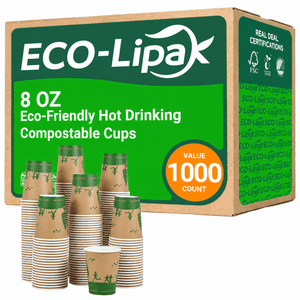
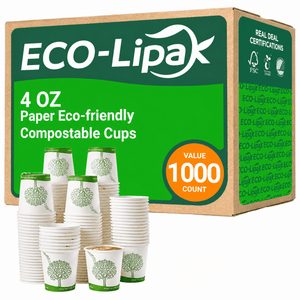
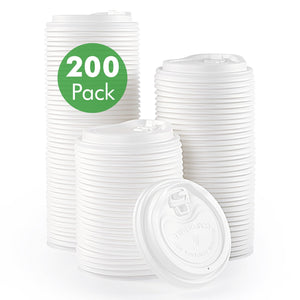
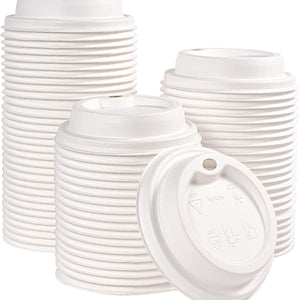
Ecolipak’s Biodegradable White Paper Hot Cups with CPLA Lids are a direct answer to the dangers of PE-lined cups. Here is why they are a superior choice for your safety:

  • Plant-Based Lining: These cups use a PLA (polylactic acid) lining made from renewable resources like corn. This means no petroleum-based plastic touches your drink. The CPLA lids are also plant-based and compostable.

  • Certified Safe and Chemical-Free: Your safety is paramount. Ecolipak cups are completely BPA-Free, PFAS-Free, and Toxin-Free. You can sip your coffee without the threat of endocrine disruptors. They are BPI Certified for compostability and USDA Certified Biobased.

  • Fully Compostable: Unlike traditional cups that pollute landfills for centuries, these cups break down in industrial composting facilities. This process reduces waste and lowers greenhouse gas emissions.

Choosing Ecolipak is a vote for your well-being. These cups are not microwave safe, just like any paper cup. You should never put them in the microwave. The microwave requires one of your permanent mugs. However, for single-use convenience, they provide excellent safety. You can trust these mugs for holding your hot coffee. The microwave is not for disposable cups. Your glass and ceramic mugs are microwave safe. These Ecolipak cups are the next best thing for on-the-go safety. Remember to use a proper mug if you need to use the microwave. Your other mugs are microwave safe. The microwave is not a safe place for paper. These mugs are not microwave safe. The microwave is for your other mugs.

The Health Consequences of Contaminants

The chemicals and plastics leaching from your cup create serious health problems. You need to understand these safety risks to protect your body. The damage happens on a cellular level, disrupting your body's natural balance.

Understanding Endocrine Disruption

Your endocrine system is your body's command center. It makes and sends hormones into your bloodstream to control your mood, growth, and metabolism. Chemicals like BPA and PFAS from cup linings act like hormone impostors. They mimic your natural hormones and disrupt this delicate system. This interference can lead to major health issues.

Studies link these chemicals to developmental problems, reproductive issues, and even certain cancers. PFAS, or "forever chemicals," are especially dangerous because they build up in your body over time.

You must never heat these cups in the microwave. They are not microwave safe. Only specific mugs are truly microwave safe. The microwave accelerates chemical leaching. You need a set of reliable mugs for reheating. These mugs are microwave safe. The microwave is safe only with these mugs. Your other mugs are not microwave safe. Only use mugs you know are microwave safe in the microwave.

Microplastics and Internal Inflammation

When you drink from a plastic-lined cup, you also swallow trillions of microplastic particles. Scientists have found these particles in human blood, lungs, and even the brain. Your body sees these tiny plastics as foreign invaders. This triggers your immune system and causes internal inflammation.

  • Physical Irritation: The particles can physically irritate your digestive tract.

  • Immune Response: Your body's attempt to fight the particles leads to chronic inflammation.

  • Toxic Hitchhikers: Microplastics can carry other absorbed toxins into your body.

This constant inflammation is linked to long-term health problems, including autoimmune disorders and organ damage. You cannot put these cups in the microwave. They are not microwave safe. The microwave makes the problem worse. You need proper mugs. Your ceramic mugs are microwave safe. Your glass mugs are microwave safe. The microwave is for these mugs. Never use the microwave for a paper cup, as it is not microwave safe. Your collection of mugs offers protection. These mugs are microwave safe.


This winter, your safety depends on ditching cups that cause plastic leaching. Standard cups release harmful chemicals into your coffee. Your best choice for safety is using reusable mugs. These mugs are truly microwave safe. For disposable needs, Ecolipak offers safety. Remember, paper cups are not for the microwave; the microwave is for your safe mugs. Protect your coffee and your safety. Choose better mugs. The microwave is not for unsafe cups. Your mugs are your best defense. The microwave is for your mugs. Your safety is key. Your coffee deserves safe mugs. The microwave is for mugs.

FAQ

Are all paper cups dangerous for hot drinks?

Most standard paper cups have a plastic lining that leaches chemicals. Your safety depends on choosing better options. The best choice is reusable mugs. For disposable needs, you should select cups with a plant-based lining, which ensures your safety.

Why can't I reheat my coffee in a paper cup?

You must never use a paper cup in the microwave. The microwave superheats the plastic lining, releasing more toxins. Your safety is at risk. The microwave is only for truly microwave-safe mugs. Always pour your drink into one of your trusted mugs before using the microwave.

What makes reusable mugs a better choice?

Reusable mugs provide the highest level of safety. Materials like glass and ceramic do not react with heat. You can use these mugs in the microwave without worry. Your collection of mugs protects you from plastic exposure. The microwave is a safe tool with the right mugs.

Are Ecolipak cups safe for the microwave?

No disposable paper cup belongs in the microwave. Ecolipak cups offer excellent safety for single-use hot drinks. However, the microwave requires one of your permanent mugs. Use your glass or ceramic mugs for any reheating in the microwave. Your other mugs are made for the microwave.


0 comments

Leave a comment