Safe and Sound Secrets of Microwave Safe Containers

Safe and Sound Secrets of Microwave Safe Containers - ECOlipak

You have leftovers in an oven-safe dish. Can you pop it in the microwave for a quick reheat? This common kitchen question highlights a big confusion. "Heat resistant" does not always mean microwave safe. Using the wrong container can damage your appliance, ruin your dish, or leach chemicals into your food. This guide will help you confidently choose the right microwave-safe containers, from glass bowls to compostable plates, ensuring your meals are always safe and sound.

Key Takeaways

  • Oven-safe dishes are not always microwave-safe. Ovens and microwaves heat food in different ways.

  • Look for a 'microwave safe' symbol, like wavy lines, on containers. This means microwaves pass through the container to heat your food.

  • Never put metal in a microwave. Metal can cause sparks and fires.

  • Do not microwave plastics unless they are marked 'microwave safe.' Other plastics can melt or release bad chemicals into your food.

  • Glass and ceramic containers without metal are usually safe. Compostable sugarcane containers, like Ecolipak, are also a safe and eco-friendly choice.

Understanding 'Heat Resistant' Cookware

You often see "heat resistant" on cookware labels. This term means a material can handle high temperatures without breaking or melting. It is a crucial feature for items used in a conventional oven.

The Science of Oven Heat

Your oven heats food using a method called thermal conduction. The oven’s heating elements warm the air inside. This hot air then transfers its energy to the surface of your dish. The dish gets hot and cooks the food inside it. Materials designed for this process must withstand sustained, high heat for long periods.

Common Heat-Resistant Materials

Many materials can handle intense oven temperatures. Your glass bakeware and ceramic dishes are great examples. These items are built for durability in the oven.

  • Borosilicate glass: This type of heat-resistant glass remains stable in temperatures below 932°F (500°C).

  • Ceramics and Stoneware: These materials are fired at very high temperatures, making them excellent for baking.

  • Advanced glass-ceramics: Some specialty glass cookware can endure extreme heat, even up to 1,800°F (1,000°C).

Why Oven-Safe Isn't Microwave-Ready

An oven-safe dish is not automatically safe for your microwave. The two appliances heat things in completely different ways. A microwave uses tiny energy waves, called microwaves, that specifically target water molecules in food.

Key Takeaway: Materials that work well for oven heat can cause serious problems in a microwave.

Here is why some oven-safe items are dangerous in a microwave:

  • Metal Content: Many types of cookware, like cast iron pans or dishes with metallic trim, contain metal. Metal reflects microwaves. This can cause sparks, a phenomenon called arcing, and may even start a fire.

  • Material Density: Some dense ceramic or heat-resistant glass dishes absorb microwave energy. This makes the container dangerously hot while your food stays cold.

Choosing the right container is essential for safety and for properly heating your meal.

Decoding What Makes a Container Microwave Safe

Understanding what makes a container safe for the microwave is simple. It all comes down to how the material interacts with microwave energy. A truly microwave safe container lets you heat your food quickly and safely.

The Science of Microwave Transparency

A material that is "microwave safe" is transparent to microwaves. This means the energy waves pass directly through the container. They go straight to the water molecules in your food. The waves excite these molecules, which generates heat and cooks your meal. The container itself should not absorb this energy. This is the key difference that helps you know what can you microwave without risk. The food gets hot, but the dish stays cool.

How to Identify Safe Containers

You can easily learn how to know if something is microwave-safe by checking its label. While there is no single official international symbol, manufacturers use common symbols to show a product is safe for microwave use.

  • Look for wavy lines on the bottom of the container. This is the most common indicator.

  • Some symbols might show a microwave oven with wavy lines inside.

  • You may also see text like "For reheating only," which means the item is not for full cooking.

Always check for these symbols before you place a new dish in your appliance.

The Quick Water Test for Unmarked Dishes

Do you have an old ceramic bowl or glass plate with no markings? You can perform a quick water test to check its safety. This simple test tells you if the dish absorbs microwave energy.

Safety Tip: Place the empty dish you want to test inside the microwave. Put a separate, known microwave safe cup filled with water next to it. Heat both on high for about 30 seconds.

After heating, carefully touch the dish you are testing. If the dish is warm or hot, it absorbed microwave energy and is not safe for use. If the dish remains cool while the water in the cup is hot, your container is likely microwave safe.

The Dangers of a Kitchen Mix-Up

You might think a small mix-up between containers is no big deal. However, using the wrong dish in the wrong appliance can lead to serious problems. These mistakes can damage your kitchenware, ruin your microwave, and even put your health at risk. Understanding these dangers will help you make safer choices every time you heat a meal.

Fire and Sparking Risks in the Microwave

Placing a heat-resistant but non-microwave-safe item in your microwave can create a dangerous light show. This happens because of a process called electrical arcing, or sparking.

Metal is a great conductor of electricity and reflects microwaves. When you put a dish with metallic trim or glaze in the microwave, the energy excites the electrons in the metal. This can create powerful electrical arcs. These sparks can damage the inside of your microwave and are a serious fire hazard.

⚠️ Items That Can Cause Arcing To keep your microwave safe, you should never use items with metal components. Watch out for:

  • Dishes with gold, silver, or metallic trim

  • Aluminum foil or foil-lined wrappers

  • Metal skewers or twist ties

  • Cookware made of pewter or other metals

Beyond sparks, using the wrong plastic container poses a chemical risk. Heating non-microwave-safe plastics can cause harmful chemicals to leach directly into your food.

  • Polystyrene (PS): Heating foam containers can release styrene, a chemical that migrates more with longer storage times.

  • Polypropylene (PP): Microwaving food in some PP containers can transfer chemicals into your meal.

  • Plastic Wraps (LDPE): Certain plastic films contain phthalates that can leach into food, especially when in direct contact during heating.

Container Damage and Thermal Shock

Have you ever seen a glass dish shatter for no apparent reason? The cause is likely thermal shock. This term describes a material's failure when it experiences a rapid change in temperature. Glass and ceramics are brittle, so they are especially vulnerable.

Thermal shock happens when one part of a container heats up much faster than another. This uneven expansion creates stress within the material, causing it to crack or even explode into shards. A dense ceramic bowl that absorbs microwave energy can develop hot spots, leading to this exact problem. The presence of tiny, undissolved quartz grains in some ceramics can also make them more likely to fail from thermal shock. You risk a shattered dish and a dangerous mess.

Using Microwave-Only Items in the Oven

The reverse mistake is just as hazardous. You should never place a microwave-only container, especially a plastic one, into a conventional oven. These items are not designed to withstand the sustained, high heat of an oven.

Most microwave-safe plastics have a very low melting point. Placing them in an oven, which can reach temperatures of 400°F (204°C) or higher, will cause them to melt or deform. This will ruin your container and your meal.

Plastic Type

Approximate Melting/Deformation Point

Polypropylene (PP / #5)

230°F (110°C)

HDPE (Plastic #2)

266°F (130°C)

Polystyrene (Styrofoam)

Deforms at moderate temperatures

Worse than a melted mess are the toxic fumes that burning plastic can release. When heated to high temperatures, plastics can break down and emit harmful chemicals like BPA and phthalates. Inhaling these fumes can be dangerous. For example, overheating non-stick coatings like PTFE (Teflon) above 500°F (260°C) can release fumes that cause a flu-like illness. Heating plastics also releases microplastics and nanoplastics into your food and the air, posing additional health risks.

Choosing Safe and Sustainable Materials

Navigating your kitchen choices can be simple when you know which materials offer both safety and sustainability. By prioritizing the right containers, you protect your health and the environment at the same time.

Traditional Safe Choices: Glass and Ceramics

Glass and ceramic containers are classic kitchen staples for a reason. Plain, unadorned glass cookware is an excellent choice for microwave use. Borosilicate glass is a top-tier option, as this type of heat-resistant glass handles temperature changes well, reducing the risk of cracking.

When you choose ceramic dishes, be mindful of their decoration. Some brightly colored glazes, especially red, orange, or yellow, may contain lead or cadmium. These heavy metals can leach into your food when heated. Always opt for plain ceramics or those certified as lead-free.

Ecolipak: A Truly Microwave Safe Option

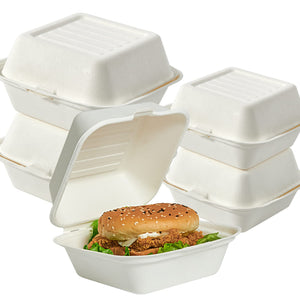
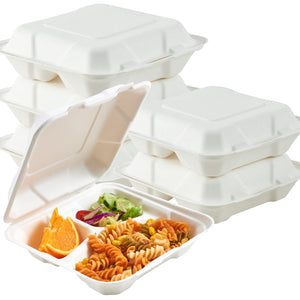
For a modern and reliable solution, you can turn to certified compostable products. Ecolipak offers a truly microwave safe option with its 8 inch Compostable Sugarcane 3 Compartment To Go Boxes. These containers are explicitly designed for safe reheating.

Peace of Mind with Every Meal Ecolipak products are BPI Certified, BPA-free, and plastic-free. This certification confirms they are toxin-free and safe for your food. Unlike some plastic containers that can warp or release odors when heated, these sturdy sugarcane boxes maintain their structural integrity.

The Eco-Friendly Advantage of Sugarcane

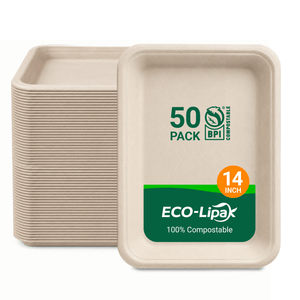
Choosing Ecolipak is a sound decision for the planet. The containers are made from sugarcane bagasse, a renewable byproduct of sugar production. Manufacturing this glass cookware alternative consumes less energy compared to making plastic, which lowers greenhouse gas emissions. When you are finished, these products offer a huge environmental benefit. In a commercial composting facility, they decompose in just 45 to 90 days. This makes them a convenient and microwave safe choice that aligns with an eco-friendly lifestyle.

You can easily keep your kitchen safe. Just follow this simple checklist every time you reheat food.

Your Microwave Safety Checklist 📝

  1. Remember: 'Heat resistant' is for ovens; 'microwave safe' is for microwaves.

  2. Always look for the wavy lines symbol on your containers.

  3. When in doubt, choose a different dish to be safe.

Choosing certified products like Ecolipak's compostable containers removes the guesswork. You get a solution that is both safe and sustainable, which over 70% of consumers prefer. Make sound choices for your meals and the planet. Green Pack, Go for ECOLipak.

FAQ

Can I microwave my Ecolipak container?

Yes, you can. Ecolipak's sugarcane containers, like the 8 inch Compostable To Go Boxes, are designed for safe microwave reheating. They will not warp or release harmful chemicals, giving you a convenient and worry-free way to warm up your meals.

What happens if I microwave a dish with a metal trim?

You should avoid microwaving dishes with any metal trim. The metal reflects microwave energy, creating sparks called arcing. This can damage your appliance and poses a serious fire risk. Always check your dishes for metallic details before heating.

Is it safe to microwave all plastics?

No, it is not safe. You should only use plastics marked "microwave safe." Heating other plastics can cause them to melt or leach harmful chemicals into your food. Always look for the official symbol before you heat any plastic container.

Why did my ceramic bowl get hot but my food stayed cold?

This means your bowl is not microwave safe. It absorbed the microwave energy instead of letting it pass through to the food. This makes the container dangerously hot while your meal remains cold. Use the water test to check unmarked dishes.


0 comments

Leave a comment